4F, Samjeong Tower, 672 Jungang-daero, Busanjin-gu, Busan, Korea
Before You Fly · Seomyeon, Busan · Foreigner-Friendly
Flying home after treatment, and what actually matters.
Cabin pressure gets blamed for a great deal it has nothing to do with. This sets out what genuinely changes on a flight, which treatments allow you to board the same day, and which are better placed early in a trip rather than at the end.
Seomyeon · 45 minutes from Gimhae International Airport
On This Page
Does cabin pressure actually affect treatment?
Which treatments allow a same-day flight?
Which treatments need a day or two before flying?
Which treatments are worth planning around properly?
What does cabin air do to treated skin?
I land and go straight to an event. What should I do?
Does the seat I choose make any difference?
Can I have a treatment on the day I arrive instead?
What happens if something goes wrong once I am home?
Should I treat at the start of my trip instead?
Almost every visiting patient asks some version of this, and the honest answer is that flying itself is rarely the problem. What matters is what you will look like when you land, and whether anything needs correcting before you are several thousand kilometres away.
Does This Sound Familiar?
What visitors ask before flying home
Does cabin pressure make swelling worse?
I fly at six tonight. Can I still have this done this afternoon?
I land and go straight to a wedding. How risky is that?
What if something goes wrong once I am home?
Should I be doing this at the start of my trip instead?
All five come up most weeks. The first has a shorter answer than most people expect, and the last is the one worth thinking about before you book anything.
Does cabin pressure actually affect treatment?
Far less than its reputation suggests. Cabin pressure is maintained at an equivalent altitude of six to eight thousand feet, which is comparable to a mountain drive — it does not push filler out of position, disturb threads or alter how botox binds. What cabin air does do is dry the skin considerably, which matters after any treatment that has compromised the barrier. The genuine constraint on flying is almost never pressure; it is whether you mind arriving visibly treated.
Which treatments allow a same-day flight?
Botox
in any area, provided you stay upright for four hours — which a flight naturally satisfies. Pico toning
and vascular laser, both of which settle within an hour or two. Energy lifting
in all forms, with nothing visible at any point. Mole removal, though you will be travelling with small visible scabs. These are the treatments we schedule on a departure day without hesitation.
Which treatments need a day or two before flying?
Skin boosters, where injection points settle overnight and flying the same day means visible bumps in the cabin. Nose
and chin filler, where swelling is modest but present. These are not unsafe on a departure day — they simply mean arriving looking treated, which is a preference rather than a medical matter, and we ask rather than assume.
Which treatments are worth planning around properly?
Lip filler
and under-eye filler, because swelling peaks at day one to two and the under-eye bruises more readily than anywhere on the face. Thread lifting, with five to ten days of swelling and a restriction on wide mouth opening that applies on the plane too. Fractional resurfacing, which peels for three to seven days and dries badly in cabin air. Place these at the start of a trip, not the end.
What does cabin air do to treated skin?
Humidity in a cabin sits well below what skin is used to, often under twenty per cent. On intact skin that means dryness. On skin that has just been resurfaced or lasered it means a compromised barrier drying out over several hours, which slows healing and increases irritation. The practical answer is an occlusive balm applied before boarding and reapplied through the flight — more useful than any other precaution people take.
Departure dates are built into the plan at consultation
I land and go straight to an event. What should I do?
Move the treatment earlier rather than gambling on the flight. Two weeks is the honest minimum before any event where you will be photographed after filler, three weeks for comfort, and eight weeks for jaw botox
where the visible change arrives late. Landing swollen at a wedding is not a risk worth taking to save a scheduling inconvenience. Message us with the event date and the plan is built backwards from it.
Does the seat I choose make any difference?
Marginally, and only in one respect. After treatments where swelling is a factor, sitting upright rather than reclined helps for the first hours — an aisle seat that lets you move also helps more than any specific position. What genuinely matters is not sleeping face-down against a window or a tray table after threads
or filler, where sustained pressure on one side of the face is the thing to avoid. Beyond that, seat choice is comfort rather than clinical.
Can I have a treatment on the day I arrive instead?
Yes, and it is often the better plan. Arriving patients frequently come straight from Gimhae with luggage, and a bag can be held during the consultation. Allow ninety minutes from landing to the clinic — that covers immigration, baggage and the transfer with margin. Treating on arrival day rather than departure day gives you the whole trip as a buffer, which is exactly the flexibility that a departure-day booking removes.
What happens if something goes wrong once I am home?
You are given a direct contact rather than a general line, and told specifically what to watch for. After filler, that means severe or increasing pain, skin blanching or a dusky patch, and any vision change. After threads, persistent puckering or extrusion. After laser, unexpected blistering or spreading redness. Most of these are manageable when reported early, which is why the instruction is verbal and specific. Treatment notes recording product, dose and area are provided so a doctor anywhere can act on them.
Should I treat at the start of my trip instead?
For most patients, yes, and it is the single most useful piece of scheduling advice on this page. Treating early leaves room for a two-week review if you are staying that long, room to correct anything uneven, and room for swelling to settle before you are photographed. Treating on a departure day works for the treatments listed above and forecloses those options for everything else. Tell us your dates and the schedule is arranged accordingly.
Our Medical Team
Who will actually treat you at JRYN Seomyeon?
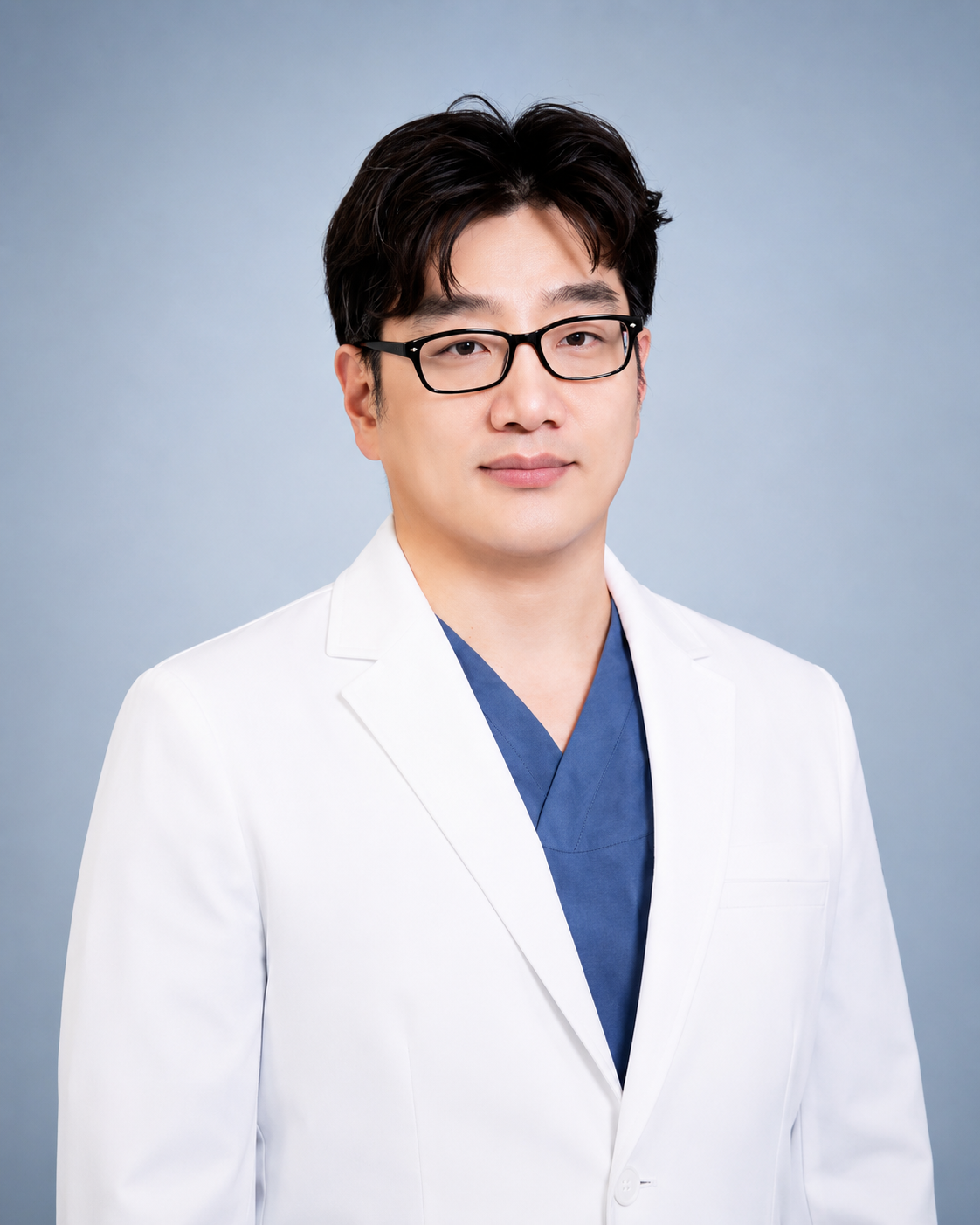
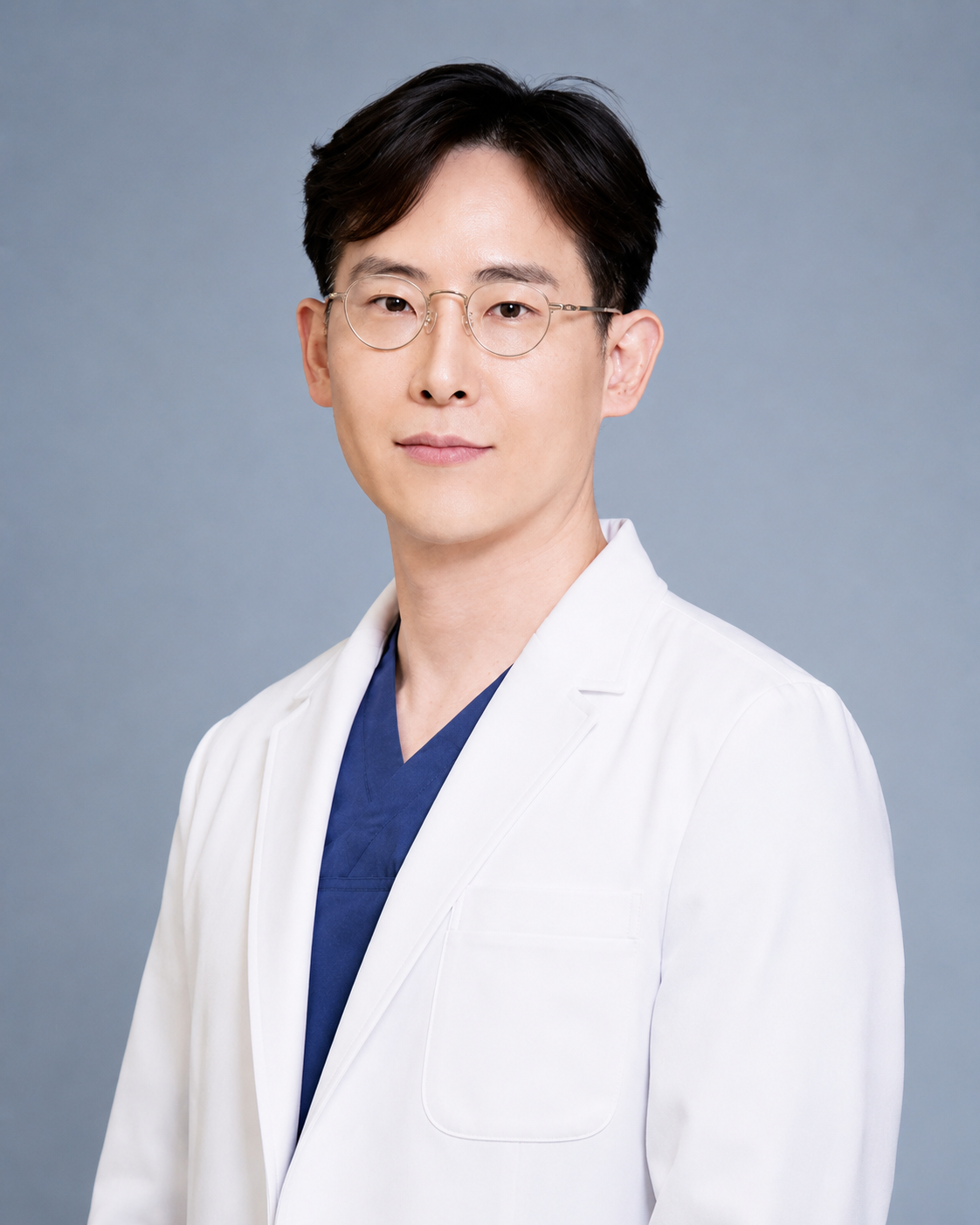
A doctor, in person, every time — never a nurse or a coordinator. JRYN Seomyeon has three doctors, and the clinic was founded by Dr. Jeong Heon Lee, who still consults here. What you actually need is decided during the consultation after your skin is examined, not from a fixed package chosen in advance.
Three doctors, one standard of care.
Every treatment plan at JRYN Seomyeon is decided and performed in person by one of our doctors — led by Dr. Jeong Heon Lee, founder of JRYN Dermatology.
From the Founder
The consultation is the treatment.
Most patients arrive asking for a specific treatment. My job is to check whether it is the right one for what they actually have. Getting that wrong is the most common mistake I correct.
Graduated from Inje University
Current Head of the JRYN Network
Current Chief Director of JRYN Seomyeon
Former Chief Director of Lin Clinic
Former Chief Director of Centum Lin Clinic
Managing Director · Seomyeon Main Branch
Dr. Yoon Jung-wook
Full Member, Korean Society of Aesthetic Plastic Surgery
Full Member, Korean Society for Aesthetic Plastic Surgery & Laser Medicine
Full Member, Korean Society of Obesity & Body Contouring
Former Neurosurgery Resident (3rd Year), Dong-A University Hospital
Former Intern, Dong-A University Hospital
Former Chief Director, Forever Plastic Surgery & Dermatology (Changwon)
Former Chief Director, Lovely Plastic Surgery & Dermatology (Changwon)
Former Director, Insta Plastic Surgery & Dermatology (Gimhae)
Former Director, Dr. Yoon Beauty Center (Vietnam)
Vice Managing Director · Seomyeon Main Branch
Dr. Jin Tae-wan
Former Director of Dermatology, MediWoman Women's Clinic
Former Director of Dermatology, Hangdo Quantum Clinic
Former Chief Director, AGE Clinic (formerly Paresa Clinic)
Former Chief Director, One Clinic (Guro)
Former Director, One Clinic (Gangnam)
Former Chief Director, SKY Plastic Surgery (Jongno)
Former Visiting Physician, Guangfu Aesthetic Plastic Surgery Hospital (Dalian, China)
Former Associate Director, Tokeshi Plastic Surgery
Former Associate Director, Midam Dermatology Clinic
Former Associate Director, Noble Line Plastic Surgery
Former Associate Director, Jeniva Plastic Surgery
Former Military Flight Surgeon, ROK Army Aviation Operations Command
Former Intern & Resident, Kangdong Sacred Heart Hospital
Before You Book
Questions patients ask first.
Nothing specific, and avoid taking painkillers preventively unless advised — ibuprofen and aspirin increase bruising after injectables. Water rather than alcohol during the flight helps with both swelling and the dryness. Occlusive balm is worth packing if you have had anything laser-based.
After botox, laser toning and lifting, yes from the day after treatment. After boosters, from the following morning once injection points have settled. After resurfacing, not until flaking has finished — usually day six to ten.
Only for skin dryness, which compounds over twelve hours in a way it does not over two. For filler, threads and botox the duration of the flight is irrelevant. Bring balm and drink water on anything over six hours after a laser treatment.
Not a concern. Calf botox
does not interact with flight-related circulation issues, and normal in-flight movement advice applies exactly as it would otherwise. The legs may feel slightly heavy in the first days, which is the treatment settling rather than anything vascular.
You can, and it is not dangerous, but you will be swollen and tight for the journey and the no-wide-mouth-opening restriction applies on board. Four to five days is more comfortable. If your trip cannot accommodate that, a different treatment is usually the better recommendation.
No. Nothing used here reacts to scanners or metal detectors, and no treatment requires documentation for security. Korean medical receipts are provided for insurance purposes rather than for travel.
The same day. The sites are small and covered, and cabin conditions do not affect healing. Expect visible scabs for a week or so after, which is worth knowing if you are heading somewhere you would rather not be.
Message us — walk-in appointments are accepted during opening hours and the clinic runs through lunch and opens seven days a week. An unexpected extra day in Busan is a reasonable time to do something that would not have fitted otherwise.
Doctor-led planning across six categories. Foreign patients pay the same as local patients — what changes a final figure is units and area, never nationality.
JRYN Seomyeon
· 4F Samjeong Tower, 672 Jungang-daero · 5 min from Seomyeon Station Exit 2 · 2 min from Seomyeon Mall Exit 16 · 6 min from Lotte Department Store Busan Main · 8 min from Jeonpo Cafe Street · inside Seomyeon Medical Street · open through lunch, seven days a week
Ready When You Are
Send your dates, get a plan before you fly.
Message us on WhatsApp with what you would like to address and when you will be in Busan. You will get an honest read in your language — including whether the treatment you have in mind is the right one.