



Keratosis Removal · Seomyeon, Busan · Foreigner-Friendly

Seborrheic keratosis removal in Busan, raised age spots, taken at the base.

Those raised, waxy, stuck-on-looking spots that multiply with the decades are seborrheic keratoses — benign, common, and cleanly removable. CO2 or plasma vaporises each one at its base in a single visit, from ₩10,000 per lesion, with the diagnosis check that should precede every removal. English, 日本語 and 中文 consults. Medically reviewed by Dr. Jeong Heon Lee, MD.

Seborrheic keratosis removal treatment at JRYN Dermatology Seomyeon Busan
Start in 30 seconds

Ask about your removal plan.

Tap the concern you're curious about

Nothing sends until you press send in WhatsApp. Sharing a photo gets you a faster, more accurate answer — and a fair estimate in advance.

10–30 min
Treatment
1
Session (Most)
7–14 day
Scab Heals
1–3 mo
Pigment Settles
CO2·Plasma
Tools
10k+
Per Lesion
Does This Sound Familiar?

What Busan patients ask before booking keratosis removal.

  • How do I know my spots are seborrheic keratoses and not something serious?
  • Laser, plasma, freezing, scraping — which removal method is actually best?
  • Will removal leave a scar or a light patch where the spot was?
  • I have dozens. Can they all go in one visit, and what would that cost?
  • Do they grow back — or just keep appearing elsewhere?

All five come up most weeks in Busan. The sections below answer them in order — the diagnosis step that protects you, the honest method comparison, realistic healing and pigment expectations, batch-removal math, and the recurrence truth.

Clear smooth skin after keratosis removal at JRYN Dermatology Seomyeon Busan
Keratosis Removal · JRYN Seomyeon
What Are Seborrheic Keratoses?

Benign, stubborn, and cleanly removable.

Seborrheic keratoses are benign growths of the skin's surface layer — raised, waxy or warty, tan to dark brown, with a characteristic stuck-on look. They multiply with age, run in families, and never become anything sinister — but they are permanent residents unless removed.

Removal is definitive and quick: CO2 laser or plasma vaporises each lesion at its base, precisely, in a single visit for most. The step that matters as much as the removal is the look before it — the doctor confirms each spot is truly a keratosis, because a small minority of look-alikes deserve medical attention, not cosmetic vaporising. From ₩10,000 per lesion on the published list at our Busan clinic.

How It Works

The science, without the hype.

Precision removal is the standard — here is why base-level vaporising wins.

01

Diagnosis first

Each lesion is examined — dermoscopically where useful — before any energy touches it. Look-alikes are identified and handled medically.

02

Base-level vaporising

CO2 or plasma removes the lesion down to its base in controlled passes — complete removal with minimal margin, which is what prevents regrowth at the site.

03

Surround-sparing

Energy lands on the lesion, not the neighbourhood — smaller wounds, faster healing, better cosmetic outcomes than freezing's spread.

04

Scab-and-settle healing

Treated sites scab for one to two weeks, then pink, then blend — with pigment settling over one to three months under disciplined SPF.

Common Territories

Where keratoses gather, and how we clear them.

Counts and clusters are mapped at the exam — batch sessions are the norm, not the exception.

Face & hairline
Visible zone
The spots that bother people most — removed with the finest settings and closest aftercare.
Healing 7–10 days
Pigment SPF-guarded
Trunk & back
Cluster zone
Where keratoses multiply in numbers — batch removal in one mapped session.
Healing 10–14 days
Note Counts written
Scalp, neck & folds
Friction zones
Spots that catch on combs, collars and clasps — removal ends the snagging.
Healing 7–14 days
Decided At exam
Your Visit, Step by Step

Six steps at our Busan clinic, ten to thirty minutes.

01

Lesion examination

The doctor confirms each spot is a seborrheic keratosis at our Busan clinic — anything atypical is assessed medically before any cosmetic removal.

02

Map, count and price

Your lesions are mapped and counted, with the total price in writing — batch discounts follow the published list, not negotiation.

03

Numbing

Topical numbing across the map; larger lesions get local anaesthetic — removal should be comfortable, and it is.

04

Base-level removal

CO2 or plasma vaporises each lesion at its base — ten to thirty minutes depending on count, methodical and complete.

05

The scab week

Each site scabs for seven to fourteen days — protected, un-picked, and healing on its own schedule.

06

Pigment settling

Sites read pink, then blend over one to three months under SPF — reviewed by message after you leave Busan.

Keratosis Removal Pricing

How much does keratosis removal cost in Busan?

From ₩10,000 per lesion on the published list, with your count mapped and the total written before removal — batch sessions for multiple lesions are standard, and the per-lesion structure means you pay for exactly what is removed. No foreigner markup.

Your options, side by side.

Keratosis removal against its lesion-menu neighbours — all published.

Option Position Price
Keratosis removal Raised benign lesions from ₩10,000 / lesion
CO2 spot work Moles and raised spots from ₩10,000
Freckle removal Flat pigment spots from ₩20,000

Published prices in Korean Won, identical to the list Korean patients see — no foreigner markup. Diagnosis precedes removal — spots that are not keratoses are told so, and handled as what they are. See the full price list.

The Healing Timeline

Scab, pink, blend — honestly, week by week.

When What you will notice What to do
Day 0 Each treated site reads raw and dotted with ointment — small, precise wounds where lesions used to sit. Ointment per the written protocol; keep sites clean and covered where clothing rubs.
Day 2–10 Scabs form and hold — the protective phase. Face sites run shorter, trunk sites longer. Never pick — every picked scab trades days for months of pigment. Gentle washing only.
Week 2 Scabs shed on their own; fresh pink skin shows where each keratosis was. Mineral make-up fine on the face now. SPF becomes the whole aftercare.
Month 1–3 Pink fades and pigment blends toward surrounding skin — the final cosmetic read. The month-three photo is the verdict — sent by message from home. Stubborn pigment has options, honestly discussed.
Honest Suitability

Who it suits in Busan — and who should wait.

A good fit if you…

  • Raised, waxy, stuck-on spots multiplying with the years
  • Lesions that snag on combs, collars, razors or jewellery
  • Wanting diagnosis-first removal rather than blind blasting
  • Batch clearing of many lesions in one mapped visit
  • Busan visitors — removal is one visit, and healing travels well by message

Better to wait if you…

  • Pregnancy — deferred as standard
  • Any lesion with atypical features — assessed medically first, always
  • Active tan over the treatment field — two weeks of shade first
  • Keloid-prone healing — discussed honestly before removal, site by site

After your treatment

  • Ointment and gentle cleansing through the scab phase
  • Never pick a scab — pigment lives in picked sites
  • SPF on healed sites religiously for three months
  • The month-three photo reads the final blend

Honest limits

  • Removed lesions do not regrow at the site — but new keratoses appear elsewhere with age
  • Temporary pink or light patches are normal and settle over months, guarded by SPF
  • A small scar risk exists with any base-level removal — minimised by precision, never zero
Our Medical Team

How do you know my spots are safe to remove cosmetically?

By looking properly before burning anything. Classic seborrheic keratoses have a signature — the stuck-on look, the waxy surface, the follicular plugs under dermoscopy — and when a lesion carries it, cosmetic removal is straightforward. When one does not — irregular borders, recent change, odd colour — it gets medical assessment first, full stop. At our Busan clinic that look costs you a few minutes and occasionally catches something that mattered. Removal is the easy part; knowing what you are removing is the doctor part.

Three doctors, one standard of care.

Every keratosis plan at JRYN Busan Seomyeon is diagnosed and removed in person by one of our doctors

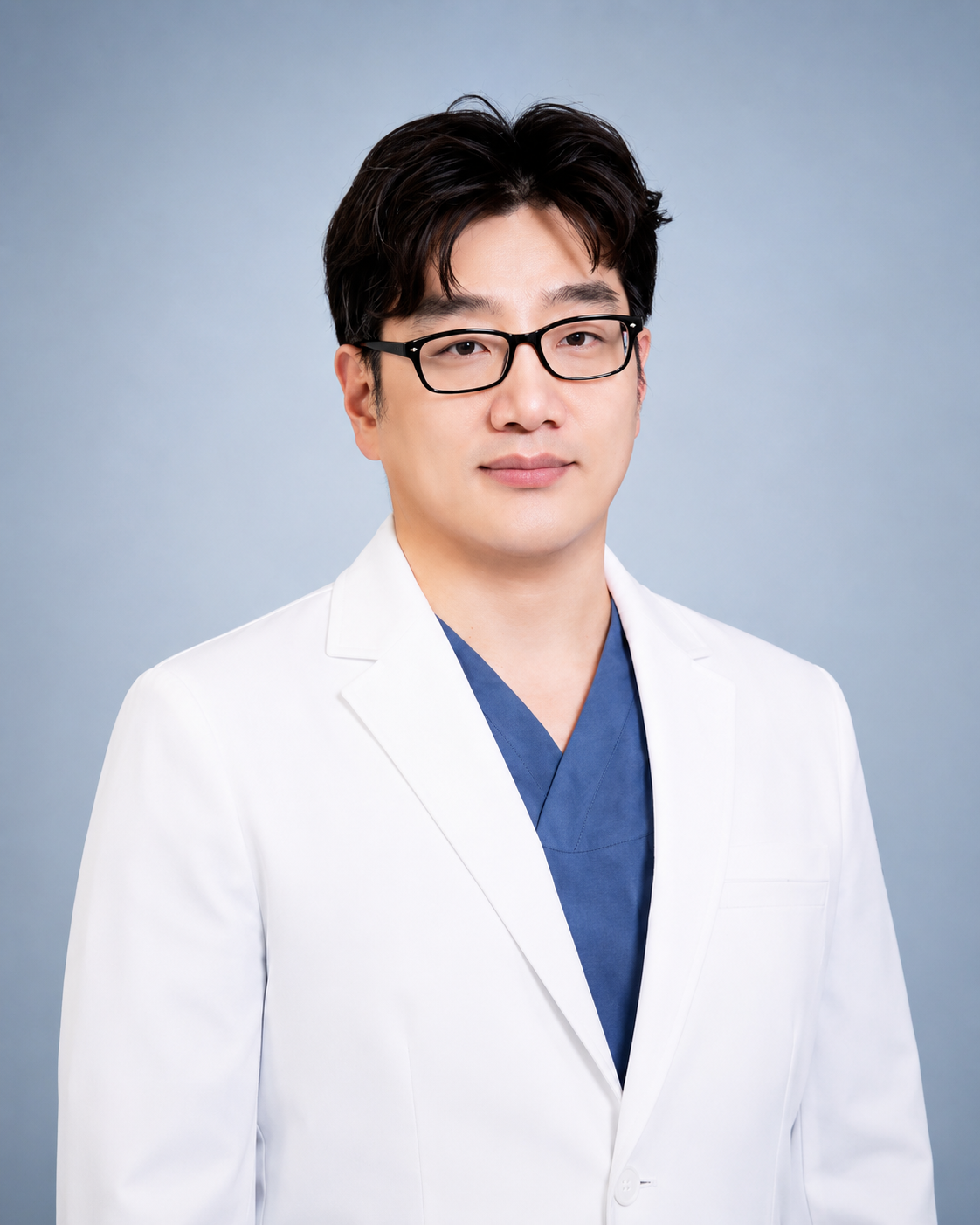
Dr. Jeong Heon Lee, founder and chief director at JRYN Seomyeon Busan
From the Founder

Diagnosed and removed in person by one of our doctors.

Keratosis removal is honest, grateful work — patients arrive with spots they have hated for a decade and leave without them the same afternoon. My two rules in Busan: every lesion earns a proper look before the laser touches it, and every patient leaves knowing the scab rules that protect the result. The machine does the removing; the discipline does the rest.

  • Graduated from Inje University
  • Current Head of the JRYN Network
  • Current Chief Director of JRYN Seomyeon
  • Former Chief Director of Lin Clinic
  • Former Chief Director of Centum Lin Clinic
Dr. Yoon Jung-wook, Managing Director at JRYN Seomyeon Busan
Managing Director · Seomyeon Main Branch

Dr. Yoon Jung-wook

  • Full Member, Korean Society of Aesthetic Plastic Surgery
  • Full Member, Korean Society for Aesthetic Plastic Surgery & Laser Medicine
  • Full Member, Korean Society of Obesity & Body Contouring
  • Former Neurosurgery Resident (3rd Year), Dong-A University Hospital
  • Former Intern, Dong-A University Hospital
  • Former Chief Director, Forever Plastic Surgery & Dermatology (Changwon)
  • Former Chief Director, Lovely Plastic Surgery & Dermatology (Changwon)
  • Former Director, Insta Plastic Surgery & Dermatology (Gimhae)
  • Former Director, Dr. Yoon Beauty Center (Vietnam)
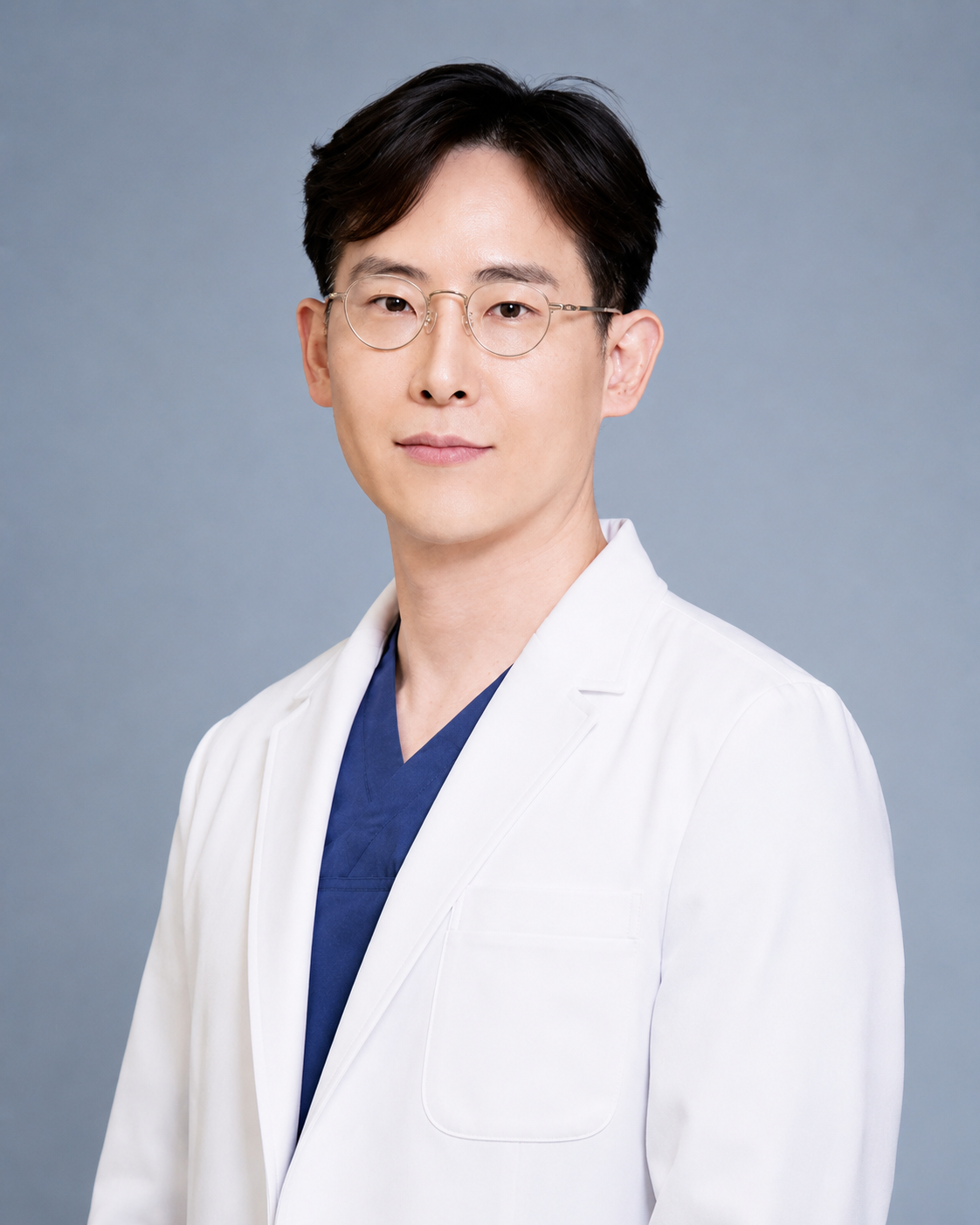
Dr. Jin Tae-wan, Deputy Managing Director at JRYN Seomyeon Busan
Vice Managing Director · Seomyeon Main Branch

Dr. Jin Tae-wan

  • Former Director of Dermatology, MediWoman Women's Clinic
  • Former Director of Dermatology, Hangdo Quantum Clinic
  • Former Chief Director, AGE Clinic (formerly Paresa Clinic)
  • Former Chief Director, One Clinic (Guro)
  • Former Director, One Clinic (Gangnam)
  • Former Chief Director, SKY Plastic Surgery (Jongno)
  • Former Visiting Physician, Guangfu Aesthetic Plastic Surgery Hospital (Dalian, China)
  • Former Associate Director, Tokeshi Plastic Surgery
  • Former Associate Director, Midam Dermatology Clinic
  • Former Associate Director, Noble Line Plastic Surgery
  • Former Associate Director, Jeniva Plastic Surgery
  • Former Military Flight Surgeon, ROK Army Aviation Operations Command
  • Former Intern & Resident, Kangdong Sacred Heart Hospital
Quick Answers

Laser, plasma, freezing or scraping — which method is actually best?

For cosmetic outcomes on visible skin: precision energy — CO2 or plasma — removes at the base with minimal margin, which is why it is our standard at the Busan clinic. Freezing (cryotherapy) spreads its damage wider and pigments less predictably, especially in Asian skin; scraping suits some trunk lesions but trades precision. Method follows lesion and location, and the exam assigns it honestly.

I have dozens — can they all go in one visit?

Usually yes: batch sessions are the norm, mapped and counted with the total written first at the per-lesion published price from ₩10,000. Very large counts are sometimes split across two visits for comfortable healing — stated up front, not discovered mid-session.

Everything Else You Might Ask

Keratosis removal questions in Busan.

From ₩10,000 per lesion, with your count mapped and the total written before removal — batch sessions standard, no foreigner markup, and you pay per lesion actually removed.

Yes — English, Japanese (日本語) and Chinese (中文). We are a 5-minute walk from Seomyeon Station Exit 2, and healing photos are reviewed on WhatsApp after you fly home from Busan.

A benign overgrowth of the skin's surface layer — raised, waxy, tan-to-brown, with the classic stuck-on look. Age and genetics drive them; sun contributes; nothing about them is dangerous, and nothing about them leaves on its own.

You have them examined — which is the first step of every removal here. Classic keratoses are recognisable to a trained eye and dermoscope; anything atypical is assessed medically before cosmetic treatment. That order is non-negotiable at our Busan clinic.

Under topical numbing — and local anaesthetic for larger lesions — removal reads as warmth and pinpricks. Most batch sessions at our Busan clinic are rated easier than expected.

Base-level precision keeps the risk low but never zero — the honest answer for any removal. Temporary pink or slightly light patches are normal and blend over one to three months under SPF; true scarring is uncommon with un-picked healing.

Scabs hold seven to fourteen days (face shorter, trunk longer), then pink skin blends over one to three months. The written aftercare is short and strict: ointment, no picking, SPF.

Not at the removed site — base-level removal is definitive there. New ones appearing elsewhere over the years is the nature of the condition, and future spots are removable the same way.

Yes, with settings matched to skin type and disciplined pigment aftercare — the same PIH-aware protocol we run for all pigment work on Asian skin at our Busan clinic. Active tans wait two weeks first.

Yes — scalp, hairline, brow and near-eye lesions are routine with appropriate protection and settings. Eyelid-margin lesions are assessed individually and honestly.

The diagnosis differs, which is why it comes first. Keratoses and many raised benign spots vaporise similarly; moles carry their own protocol; viral warts need destruction that addresses the virus. One exam sorts your map into the right columns.

Yes — trunk-and-hairline batch sessions book heavily among men at our Busan clinic, and razor-snagged lesions are a classic male booking.

Yes — scabs travel fine, and flying changes nothing about healing. Most visitors treat early in a Busan trip; the month-three blend photo arrives by message.

Active tanning for two weeks, and blood-thinning supplements for a few days if your physician agrees — the standard preparation pair.

You trade a protected week for months of pigment and a raised scar risk — picking is the main self-inflicted complication. The aftercare exists so the clean result survives your own hands.

Treated lesions gone in one visit for most, sites blended by month three under SPF — smoother, clearer skin where decades of spots sat. What no honest clinic promises: immunity to new keratoses, zero scar risk, or pigment that settles without sun discipline.

More Lesion Work at JRYN

Explore other options in Busan.

JRYN Dermatology — Seomyeon 4F, Samjeong Tower, 672 Jungang-daero, Busanjin-gu, Busan 47291, South Korea · Consultations in English, Japanese (日本語) and Chinese (中文) · 5 minutes from Seomyeon Station Exit 2 · Directions & hours

JRYN Seomyeon · 4F Samjeong Tower, 672 Jungang-daero · 5 min from Seomyeon Station Exit 2 · inside Seomyeon Medical Street · open through lunch, seven days a week
Ready When You Are

Clear your spots
before you fly.

Send a photo and your Busan travel dates on WhatsApp. We'll reply in English with an honest read of what suits you — and a realistic plan for your trip.

Medical information on this page is general education, reviewed by Dr. Jeong Heon Lee, MD. Individual diagnosis, lesion maps and pricing are confirmed at an in-person consultation at JRYN Dermatology, Busan Seomyeon. Results and timelines vary by individual.