A consultation in Busan Seomyeon, and how to get the most from it.
Shorter and more direct than most Western equivalents, which some patients read as brusque. Understanding what the doctor is assessing — and which questions unlock the reasoning — turns twenty minutes into a genuinely useful conversation.
A Korean consultation moves faster than an American or European one and covers the same ground. Nothing is being skipped — the structure is different, and knowing what it is makes the difference between leaving with a treatment and leaving with an understanding.
Does This Sound Familiar?
What patients notice about the consultation
It felt quicker than I expected. Did I miss something?
The doctor did not really explain why, just what.
I was not sure whether disagreeing was acceptable.
Everything I suggested got a yes.
I did not know what I was supposed to ask.
All five describe the same gap, and it closes with three specific questions. The sections below explain what is happening and what to ask.
Why is a Korean consultation shorter?
Because it is structured around examination rather than conversation. A Korean doctor typically moves quickly to looking at the concern under proper light, testing it physically where that applies, and forming a plan — the rapport-building and history-taking that fill the first ten minutes of a Western consultation happen alongside rather than before. Twenty to forty minutes here covers what a longer appointment elsewhere covers; it simply spends the time differently.
What is the doctor actually assessing?
Cause rather than complaint. A concern described as dark circles gets tested three ways — head tilted back to see whether the shadow lightens, skin stretched to see whether pigment persists, surrounding tissue checked for fluid retention. A wide jaw gets a clench test to separate masseter bulk
from bone. Laxity gets assessed lying down as well as upright. Each takes seconds and each changes the recommendation, which is why the physical examination is the substance of the visit.
Why does the explanation feel thin?
Because reasoning is often given on request rather than volunteered, which is a communication norm rather than an unwillingness to explain. A Korean doctor will typically state the conclusion — "this needs a laser, not filler" — and expect a question if you want the mechanism. Asking "why is that" produces the full explanation immediately. Patients who do not ask leave with a correct plan they do not understand, which is a smaller problem than a wrong plan but a real one.
Is it acceptable to disagree?
Yes, and it is less awkward than it feels. Direct disagreement is expressed more indirectly in Korean professional settings than in many Western ones, which means a patient pushing back can feel like they are causing a scene when they are not. Saying you would rather not do something, or want to think, is unremarkable. What changes nothing is your standing as a patient — see patient rights.
Why does everything I suggest get agreed to?
Partly cultural and partly structural. Contradicting a stated preference is less comfortable in this context than in a Western consultation, and a clinic with a sales structure has no incentive to talk you out of anything. The result is patients receiving what they read about rather than what they need. The counter is to ask for the alternative explicitly: "what else could cause this" gets an honest answer where "is this right for me" gets agreement.
The plan comes from the examination, not a menu
What are the three questions worth asking?
"What would you not recommend for me, and why" — this forces the assessment to be stated rather than assumed. "What happens if I do nothing" — sometimes the honest answer is that your concern will not meaningfully worsen. And "if I only do one thing, which matters most" — this produces a ranking instead of a bundle. Together they take two minutes and change the quality of the consultation entirely.
What should I say rather than ask for?
Describe the problem in your own words rather than naming a treatment. "I look tired in photographs" gives the doctor something to examine; "I want under-eye filler" commits you to a solution before the cause has been found — and dark circles have three different causes needing three different treatments. Coming with the concern rather than the answer is the single most useful preparation.
How does the coordinator fit in?
Language, scheduling and logistics, working alongside the doctor rather than in place of them. The clinical plan comes from the person who examined you. This distinction is worth confirming at any Korean clinic, since practice varies and a recommendation from a coordinator paid on conversion is a different thing from one from a doctor — see what nobody tells you.
What does a good consultation feel like?
Unhurried at the examination and quick at everything else. You should be looked at properly, tested physically where the concern allows it, and told what was found before any treatment is named. You should hear at least one thing that is not being recommended and why. And you should be able to leave without booking, without that becoming awkward. A consultation that moved straight from your stated request to a price has skipped the part that determines whether the treatment works — which is a different failure from one that felt short.
What should I leave the consultation with?
A plan you can restate in your own words, the unit count or volume for whatever was proposed, and a clear idea of what happens if you decline. A written estimate is provided on request and is worth having even if you intend to proceed. If you cannot explain to yourself afterwards why the recommended treatment addresses your concern, the consultation was incomplete regardless of how good the plan is — go back and ask.
Our Medical Team
Who will actually treat you at JRYN Seomyeon?
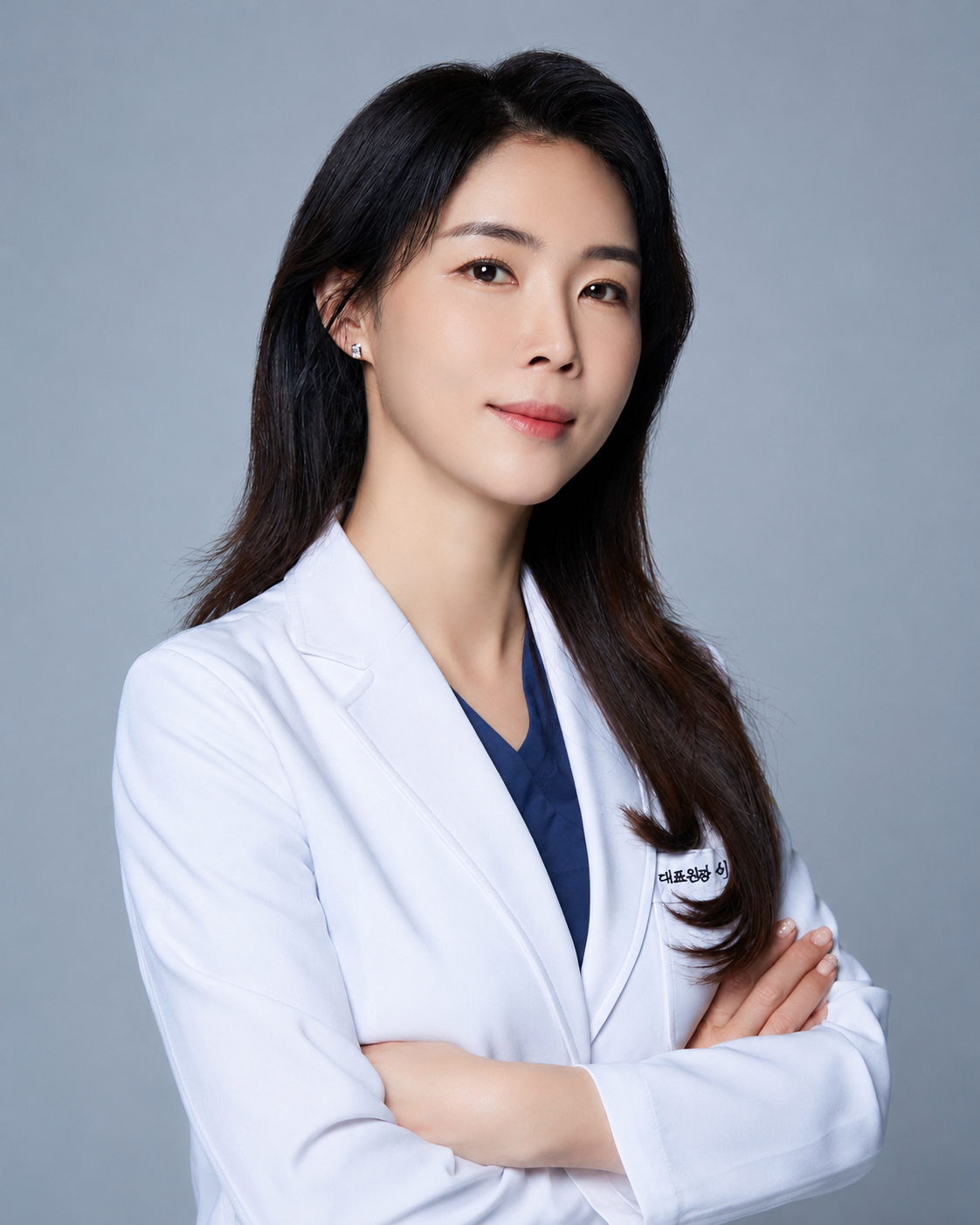
A doctor, in person, every time — never a nurse or a coordinator. JRYN Seomyeon has three doctors, and the clinic was founded by Dr. Jeong Heon Lee, who still consults here. What you actually need is decided during the consultation after your skin is examined, not from a fixed package chosen in advance.
Three doctors, one standard of care.
Every treatment plan at JRYN Seomyeon is decided and performed in person by one of our doctors — led by Dr. Jeong Heon Lee, founder of JRYN Dermatology.
From the Founder
The consultation is the treatment.
Most patients arrive asking for a specific treatment. My job is to check whether it is the right one for what they actually have. Getting that wrong is the most common mistake I correct.
Graduated from Inje University
Current Head of the JRYN Network
Current Chief Director of JRYN Seomyeon
Former Chief Director of Lin Clinic
Former Chief Director of Centum Lin Clinic
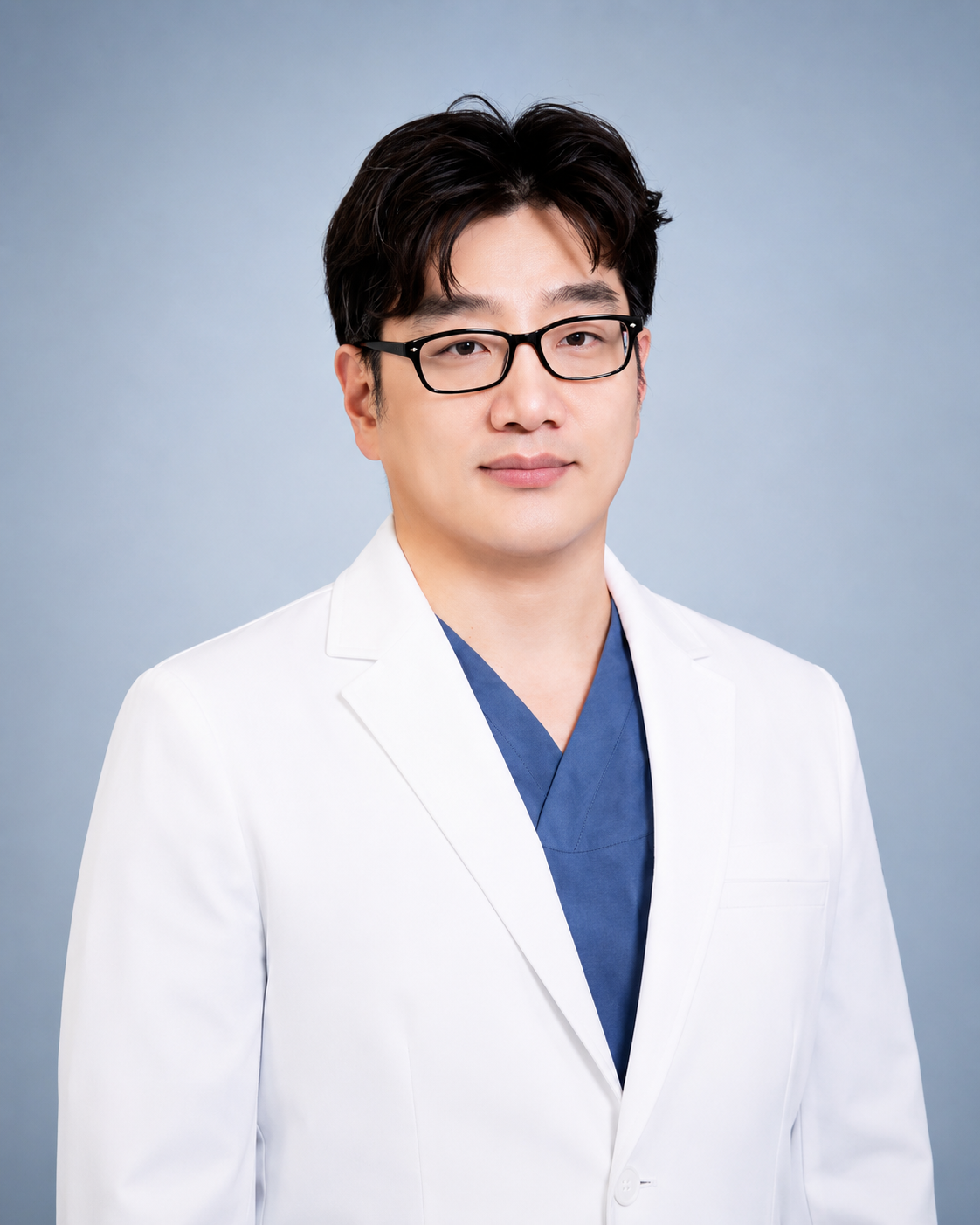
Managing Director · Seomyeon Main Branch
Dr. Yoon Jung-wook
Full Member, Korean Society of Aesthetic Plastic Surgery
Full Member, Korean Society for Aesthetic Plastic Surgery & Laser Medicine
Full Member, Korean Society of Obesity & Body Contouring
Former Neurosurgery Resident (3rd Year), Dong-A University Hospital
Former Intern, Dong-A University Hospital
Former Chief Director, Forever Plastic Surgery & Dermatology (Changwon)
Former Chief Director, Lovely Plastic Surgery & Dermatology (Changwon)
Former Director, Insta Plastic Surgery & Dermatology (Gimhae)
Former Director, Dr. Yoon Beauty Center (Vietnam)
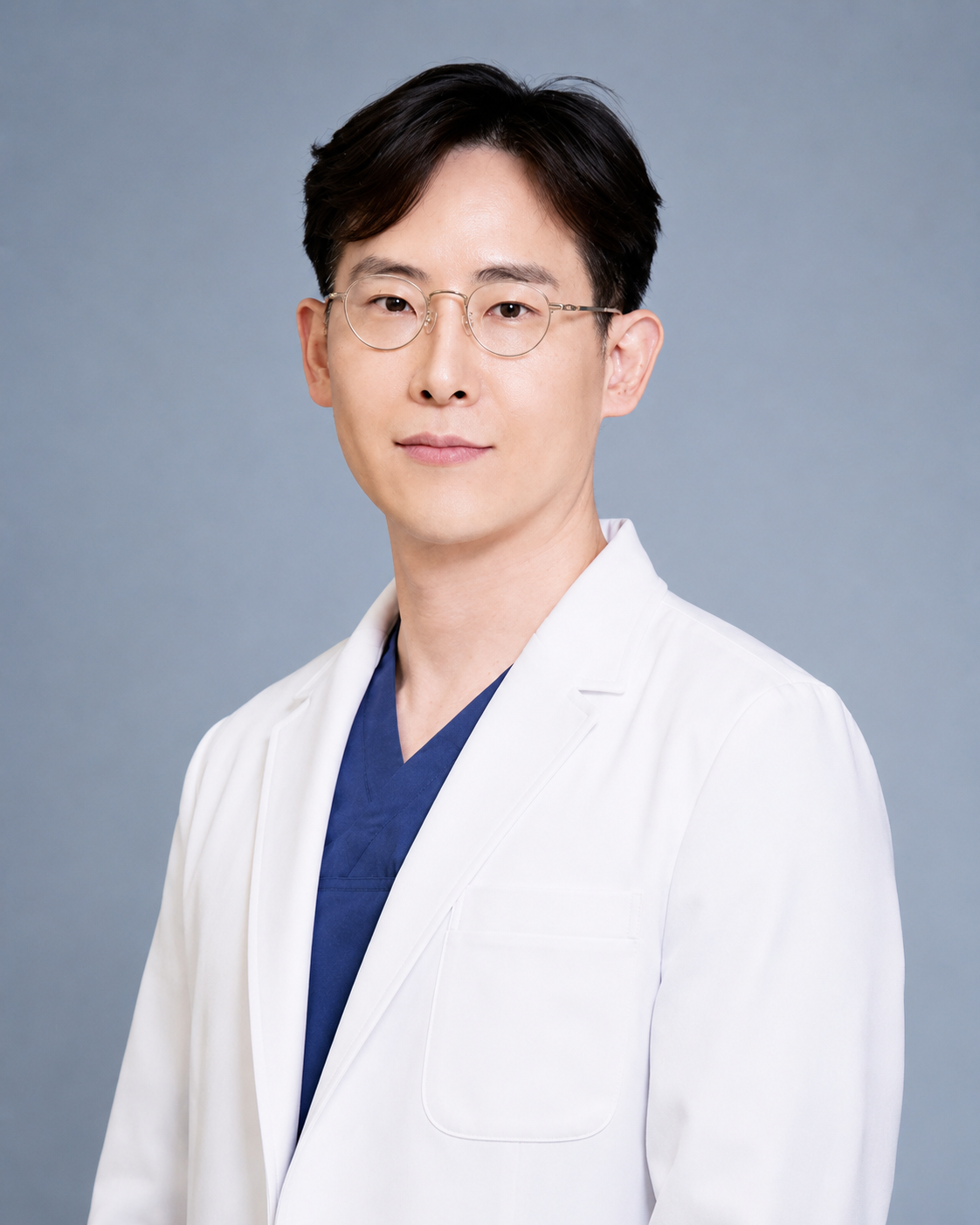
Vice Managing Director · Seomyeon Main Branch
Dr. Jin Tae-wan
Former Director of Dermatology, MediWoman Women's Clinic
Former Director of Dermatology, Hangdo Quantum Clinic
Former Chief Director, AGE Clinic (formerly Paresa Clinic)
Former Chief Director, One Clinic (Guro)
Former Director, One Clinic (Gangnam)
Former Chief Director, SKY Plastic Surgery (Jongno)
Former Visiting Physician, Guangfu Aesthetic Plastic Surgery Hospital (Dalian, China)
Former Associate Director, Tokeshi Plastic Surgery
Former Associate Director, Midam Dermatology Clinic
Former Associate Director, Noble Line Plastic Surgery
Former Associate Director, Jeniva Plastic Surgery
Former Military Flight Surgeon, ROK Army Aviation Operations Command
Former Intern & Resident, Kangdong Sacred Heart Hospital
Before You Book
Questions patients ask first.
Twenty to forty minutes on a first visit, shorter on repeats because the plan is on file. If a delay leaves only fifteen minutes, we reschedule rather than compress the assessment — see thirty-minute treatments
for realistic timings.
Yes, and there is no deposit. Payment is taken after treatment, so a visit ending without a booking costs nothing. That structure exists specifically so declining is easy.
Yes, and it happens regularly. Some patients consult on one visit and treat on another, particularly for anything irreversible like collagen stimulators
or threads.
Where the concern requires it, yes — pigment and texture cannot be assessed through foundation. It is removed at the clinic; there is no need to arrive bare-faced.
You can, though describing what bothers you about your own face is more useful. A result in an image was produced on different anatomy, and copying it rarely suits a different face.
Say so and it is explained again differently. The most common consequence of an unclear consultation is not a bad treatment but the wrong one, because you agreed to something you had understood differently.
You decide; the doctor advises and can decline to perform something clinically unwise. Declining part of a plan while accepting the rest is normal and changes nothing about how you are treated.
If you want to, and it is unremarkable. Take your notes and photographs. A clinic that discourages a second opinion is telling you something worth hearing.
Doctor-led planning across six categories. Foreign patients pay the same as local patients — what changes a final figure is units and area, never nationality.
JRYN Seomyeon
· 4F Samjeong Tower, 672 Jungang-daero · 5 min from Seomyeon Station Exit 2 · 2 min from Seomyeon Mall Exit 16 · 6 min from Lotte Department Store Busan Main · 8 min from Jeonpo Cafe Street · inside Seomyeon Medical Street · open through lunch, seven days a week
Ready When You Are
Send your dates, get a plan before you fly.
Message us on WhatsApp with what you would like to address and when you will be in Busan. You will get an honest read in your language — including whether the treatment you have in mind is the right one.