4F, Samjeong Tower, 672 Jungang-daero, Busanjin-gu, Busan, Korea
Comparison · Seomyeon, Busan · Foreigner-Friendly
Ultherapy or Thermage in Busan Seomyeon, and which layer your face needs.
These are compared constantly and do different jobs at different depths. One lifts by tightening the layer surgeons pull in a facelift; the other firms the dermis and improves skin quality. The choice follows the concern.
Why does the brand matter less than patients assume?
How do these fit into a broader plan?
Do I need both?
Which suits younger versus older skin?
What about the alternatives?
The two most recognised names in energy lifting are not competitors so much as different tools. Choosing between them without understanding what each reaches is how patients end up with the right machine treating the wrong layer.
Does This Sound Familiar?
What patients ask when comparing
Everyone says Ultherapy but my skin problem is looseness, not sagging.
Which one actually lifts?
I had one of them and saw nothing. Was it the wrong machine?
Is one more painful than the other?
Do I need both or is that just being sold two things?
All five come up most weeks, and the third usually has an answer about shot count rather than about the device. The sections below explain the difference.
What each one actually does
Ultherapy Prime
delivers focused ultrasound to precise depths, including 4.5mm at the SMAS — the fibromuscular layer a surgeon tightens in a facelift. Thermage FLX
delivers monopolar radiofrequency as bulk heating through the dermis and subcutaneous layer at roughly 2 to 3mm. One creates discrete contraction points in a deep structural layer; the other heats a broad volume of tissue more evenly.
Which one lifts?
Ultherapy, in the strict sense of the word. Contracting the SMAS produces genuine vector lift along the jawline and mid-face, which is why it is the device most often chosen where descent is the main concern. Thermage tightens rather than lifts — the skin becomes firmer and the surface improves, but tissue is not repositioned upward. Patients wanting a jawline restored are usually better served by ultrasound.
Which one improves skin quality?
Thermage, more reliably. Bulk dermal heating stimulates collagen across the treated area rather than at discrete points, which improves texture, firmness and fine lines in a way ultrasound does not target. Patients whose complaint is crepey, loose-feeling skin without significant descent typically get more from radiofrequency — see lifting
for how the whole range compares.
Why did I see nothing from the one I had?
Shot count, in most cases. Three hundred lines across a full face spreads coverage too thin to change anything, and it is the version most often sold because it produces the lowest headline price. Adequate treatment starts at three hundred for the lower face alone. The second common reason is judging at four weeks — the collagen response builds over two to three months, and week four is genuinely too early.
Which is more uncomfortable?
Ultherapy, noticeably, and it is worth knowing beforehand. The sensation is brief deep heat along each line, strongest at the jawline and bony areas, and topical numbing does not reach 4.5mm so it makes little difference. Thermage FLX is warm with vibration and cooling built in, and most patients describe it as tolerable throughout — see numbing and anaesthesia.
Shot count decides the result more than the brand does
How long does each last?
Ultherapy twelve to eighteen months, Thermage twelve to twenty-four — the longest of the energy devices. Both fade as collagen turns over rather than stopping abruptly. Both hold better in patients who start earlier and protect from sun, and both build on themselves across repeated years — see how long results last.
Why does the brand matter less than patients assume?
Because within a given mechanism, the operator variables decide most of the outcome. Two Ultherapy sessions on the same face with different shot counts, different depth selection and different attention to the imaging produce visibly different results — a gap far wider than the gap between Ultherapy and a competently delivered alternative HIFU. The brand guarantees the platform; it guarantees nothing about coverage or placement. That is why a quote naming the device but not the shot count is missing the number that actually predicts your result.
How do these fit into a broader plan?
As the structural component rather than the whole answer. Neither device replaces volume, so a face that is both lax and hollow needs filler
alongside — and treating support first often reduces how much tightening is required. Neither addresses movement, so botox
remains separate. And neither improves pigment, which laser
handles. Patients who arrive asking only about Ultherapy versus Thermage have usually framed the question one level too narrowly, which the examination corrects in a few minutes.
Do I need both?
Sometimes, and not in one session. They address different layers, so a face with both descent and poor skin quality genuinely benefits from each. What we do not do is treat with both simultaneously — that concentrates a great deal of thermal energy and makes the result impossible to attribute. Three to six months apart, ultrasound first where lift is the priority, is the sensible sequence.
Which suits younger versus older skin?
Thermage suits earlier laxity and skin quality concerns, which is why it is more often the answer in the thirties. Ultherapy suits established descent, which is more common from the forties onward. Where a younger patient has genuine early jowling, ultrasound is still the right tool — the age pattern reflects what typically presents rather than an age restriction.
What about the alternatives?
Several, and they are worth knowing about rather than defaulting to the two famous names. Shurink
is HIFU at a considerably lower price without real-time imaging. Oligio
is monopolar RF at a fraction of Thermage. Sofwave
works at 1.5mm with less discomfort and less depth. Each is a genuine trade rather than a lesser version — see how to read a price list.
Our Medical Team
Who will actually treat you at JRYN Seomyeon?
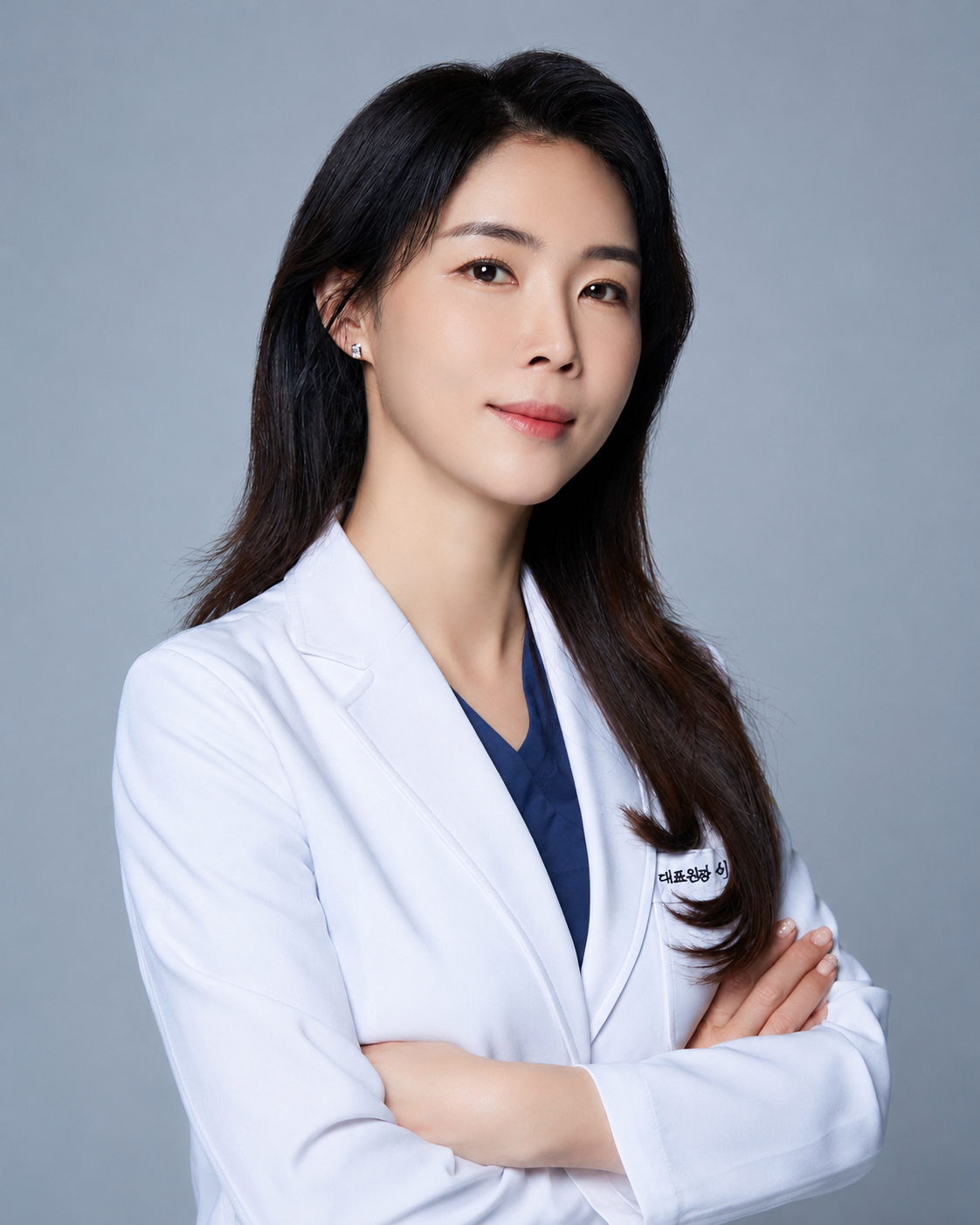
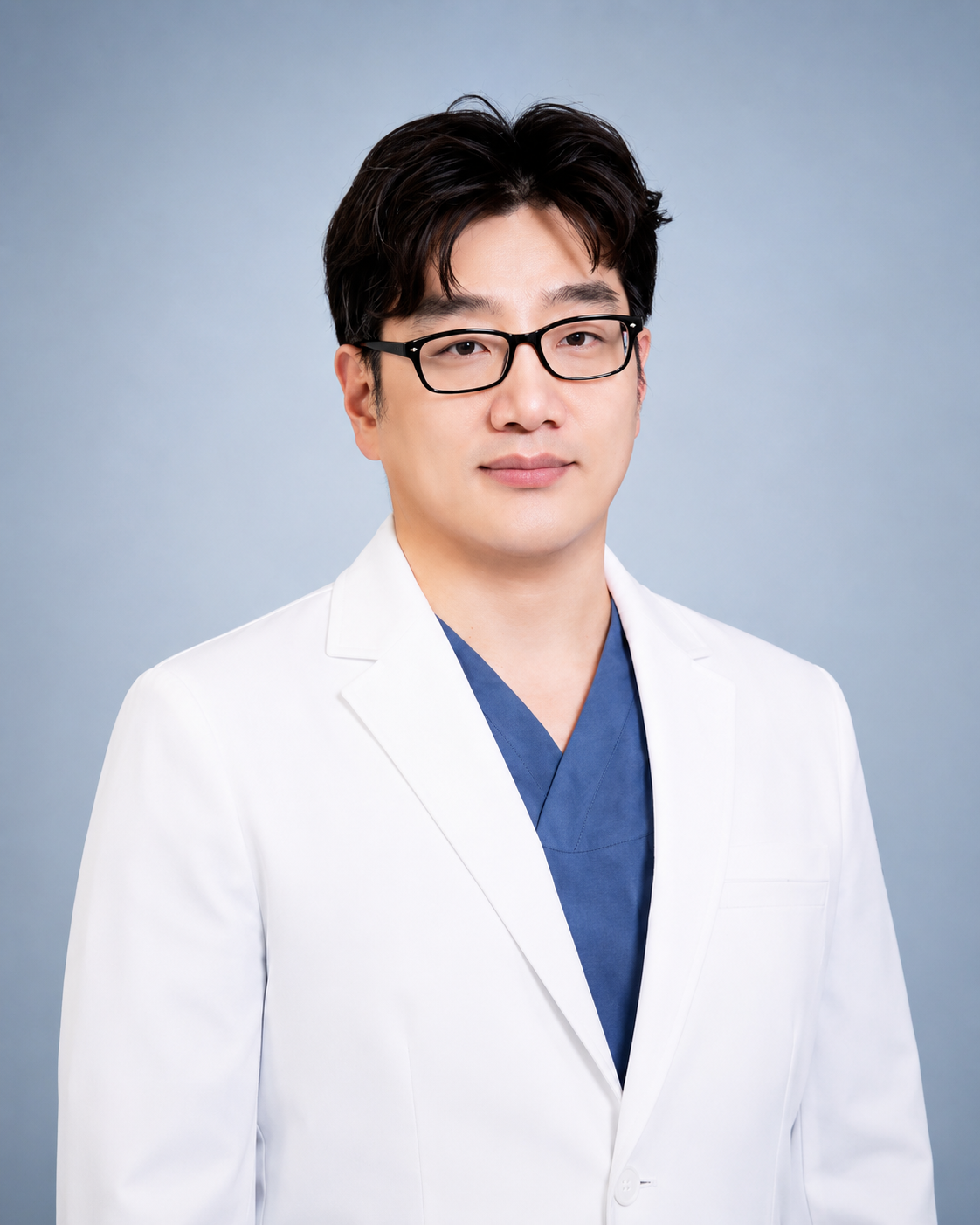
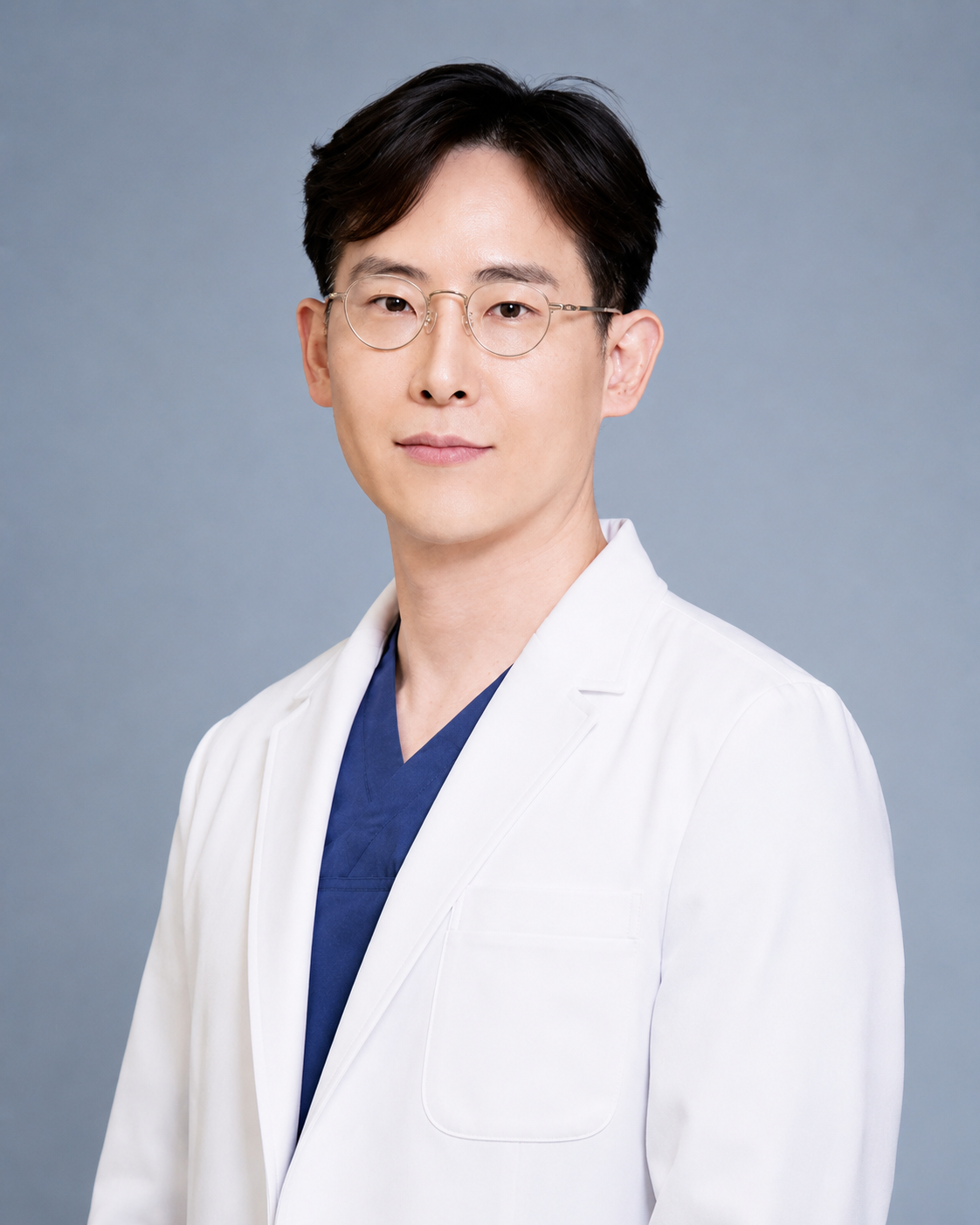
A doctor, in person, every time — never a nurse or a coordinator. JRYN Seomyeon has three doctors, and the clinic was founded by Dr. Jeong Heon Lee, who still consults here. What you actually need is decided during the consultation after your skin is examined, not from a fixed package chosen in advance.
Three doctors, one standard of care.
Every treatment plan at JRYN Seomyeon is decided and performed in person by one of our doctors — led by Dr. Jeong Heon Lee, founder of JRYN Dermatology.
From the Founder
The consultation is the treatment.
Most patients arrive asking for a specific treatment. My job is to check whether it is the right one for what they actually have. Getting that wrong is the most common mistake I correct.
Graduated from Inje University
Current Head of the JRYN Network
Current Chief Director of JRYN Seomyeon
Former Chief Director of Lin Clinic
Former Chief Director of Centum Lin Clinic
Managing Director · Seomyeon Main Branch
Dr. Yoon Jung-wook
Full Member, Korean Society of Aesthetic Plastic Surgery
Full Member, Korean Society for Aesthetic Plastic Surgery & Laser Medicine
Full Member, Korean Society of Obesity & Body Contouring
Former Neurosurgery Resident (3rd Year), Dong-A University Hospital
Former Intern, Dong-A University Hospital
Former Chief Director, Forever Plastic Surgery & Dermatology (Changwon)
Former Chief Director, Lovely Plastic Surgery & Dermatology (Changwon)
Former Director, Insta Plastic Surgery & Dermatology (Gimhae)
Former Director, Dr. Yoon Beauty Center (Vietnam)
Vice Managing Director · Seomyeon Main Branch
Dr. Jin Tae-wan
Former Director of Dermatology, MediWoman Women's Clinic
Former Director of Dermatology, Hangdo Quantum Clinic
Former Chief Director, AGE Clinic (formerly Paresa Clinic)
Former Chief Director, One Clinic (Guro)
Former Director, One Clinic (Gangnam)
Former Chief Director, SKY Plastic Surgery (Jongno)
Former Visiting Physician, Guangfu Aesthetic Plastic Surgery Hospital (Dalian, China)
Former Associate Director, Tokeshi Plastic Surgery
Former Associate Director, Midam Dermatology Clinic
Former Associate Director, Noble Line Plastic Surgery
Former Associate Director, Jeniva Plastic Surgery
Former Military Flight Surgeon, ROK Army Aviation Operations Command
Former Intern & Resident, Kangdong Sacred Heart Hospital
Before You Book
Questions patients ask first.
Thermage generally, given cartridge cost. Both sit at the higher end of the energy range, and the Korean alternatives cost substantially less for a similar mechanism — figures are published on the price list.
Not over the same area. Combining monopolar RF and focused ultrasound in one session stacks thermal load without adding proportional benefit.
Both are well studied, and Ultherapy carries FDA approval for lifting specifically. Thermage has a long record for tightening. Neither has a meaningful evidence advantage in ordinary clinical use.
It lets the doctor see the layer being treated rather than working from anatomy alone, which matters for consistency and for avoiding tissue that should not be treated. It is the main technical difference between Ultherapy and cheaper HIFU.
Some immediate tightening from both, then the real change at two to three months. Photographs under consistent lighting are the only reliable comparison.
Yes, energy first in the same session. Heat over recent filler can accelerate its breakdown, so recent placement changes the sequence — see combining treatments.
Either, at adjusted settings for thicker skin and higher tissue density. Male patients more often present with jawline concerns, which points toward ultrasound — see skin treatments for men.
That answer exists and is worth hearing. Where skin excess is substantial and elastic recoil is largely gone, energy improves rather than resolves and surgery does more — see jowls and the jawline.
Doctor-led planning across six categories. Foreign patients pay the same as local patients — what changes a final figure is units and area, never nationality.
JRYN Seomyeon
· 4F Samjeong Tower, 672 Jungang-daero · 5 min from Seomyeon Station Exit 2 · 2 min from Seomyeon Mall Exit 16 · 6 min from Lotte Department Store Busan Main · 8 min from Jeonpo Cafe Street · inside Seomyeon Medical Street · open through lunch, seven days a week
Ready When You Are
Send your dates, get a plan before you fly.
Message us on WhatsApp with what you would like to address and when you will be in Busan. You will get an honest read in your language — including whether the treatment you have in mind is the right one.