4F, Samjeong Tower, 672 Jungang-daero, Busanjin-gu, Busan, Korea
Seasonal · Seomyeon, Busan · Foreigner-Friendly
Winter treatment in Busan Seomyeon, and why it is the better window.
Lower UV, less sweat and easier aftercare compliance make late autumn through March the season Korean patients schedule their courses into. This explains why, and what winter dryness changes in return.
Busan winters · mild, dry, and the best window for pigment work
On This Page
Why is winter the better window?
Which treatments benefit most?
Does the season matter in a mild climate like Busan?
What does winter dryness change?
When exactly is the window?
Should I wait, or treat now?
How should a winter course be planned?
Why do Korean patients cluster in these months?
What about visitors who can choose their travel month?
Is there anything winter makes harder?
If you can choose when to travel, this is the answer. Everything that suffers in a Korean summer benefits from the opposite conditions, and the only trade-off is dryness — which is manageable in a way that summer sun is not.
Does This Sound Familiar?
What patients ask about winter treatment
Is winter genuinely better or is that just what clinics say?
Busan is mild. Does the season really matter here?
My skin is drier in winter. Does that change anything?
How cold does it actually get for aftercare?
Should I wait until winter or treat now?
All five come up most weeks through autumn. The second one has a specific answer for Busan rather than Korea generally, and the sections below take them in order.
Why is winter the better window?
Three things change together. Ambient UV drops substantially, which matters because UV is a direct pigment trigger onto skin that has just been treated. Sweat stops interfering with occlusive aftercare, which is the practical reason resurfacing compliance improves. And there is a long runway before the next summer, so a course finished in February has months to consolidate before UV rises again — see sun protection
for the mechanism.
Which treatments benefit most?
Fractional resurfacing
and acne scar work, both of which leave new skin needing weeks of protection. Melasma, which is least active and most responsive in cool months. Pico toning
for sun damage accumulated over the summer, which is why autumn is the busiest season for it. Mole removal, where sites stay pink for two to three months and need protection throughout.
Does the season matter in a mild climate like Busan?
Less than in a Korean winter further north, but meaningfully. Busan winters are mild and the sea moderates temperature — snow is unusual and daytime highs stay comfortable. What matters is not cold but UV index and humidity, both of which fall properly here from late November through February. The compliance benefit is the same as anywhere: sunscreen stays on, occlusive balm is tolerable, and beach days are not competing with your recovery.
What does winter dryness change?
Aftercare rather than eligibility. Cold dry air stresses the barrier, so skin recovering from resurfacing needs more moisturiser than the same treatment in June. This is straightforward to manage and is one reason polynucleotide boosters
are a common winter pairing — they improve barrier resilience alongside whatever laser work is being done. Dryness slows nothing; it just needs attending to.
When exactly is the window?
Late September through March in Korea, with the strongest months being November to February. September still carries residual summer UV and any tan from August needs four weeks to fade before pigment work. April onwards UV climbs quickly, and by late May the compliance problem returns even though the treatment itself is unchanged. If you are planning a course, starting in October gives you the full window.
Courses are planned into the low-UV months
Should I wait, or treat now?
Depends entirely on which treatment. Botox, filler, lifting
and threads
are season-indifferent — waiting gains you nothing and costs you months of result. Pigment and resurfacing genuinely do better in the window, so if you are within a couple of months of it and not in a hurry, waiting is reasonable. What we would not do is defer a treatment that has no seasonal component simply because it is summer.
How should a winter course be planned?
Backwards from March. A melasma course
at eight to fifteen sessions on two-to-four-week intervals fills the window almost exactly if it starts in October. An acne scar series
at four to six sessions on four-to-six-week intervals fits comfortably with room to spare. Planning to finish before UV rises means the result consolidates rather than immediately being challenged.
Why do Korean patients cluster in these months?
Because the calculation is obvious once you live through a Korean summer. Residents book pigment courses in October and finish before the humidity returns, which is why the clinic sees more melasma
and scar work
between November and February than in the rest of the year combined. Visitors who can choose their month are effectively borrowing that local knowledge — the window exists for the same reasons whether you live here or fly in for a week.
What about visitors who can choose their travel month?
Come between November and February if pigment or resurfacing is the reason for the trip. Busan is comfortable in those months, flights and hotels are cheaper than the summer peak, and Seomyeon's underground network means most of the walk from the subway is sheltered. If the trip is for lifting
or injectables, any month works equally and you should travel when it suits you.
Is there anything winter makes harder?
Two small things. Cold air immediately after a treatment that has left the skin sensitised is uncomfortable, so a scarf and a short walk to the subway matter more than usual. And indoor heating compounds the dryness, particularly in hotels — a humidifier or heavier night moisturiser is worth having for the days after resurfacing. Neither affects the outcome; both affect how the week feels.
Our Medical Team
Who will actually treat you at JRYN Seomyeon?
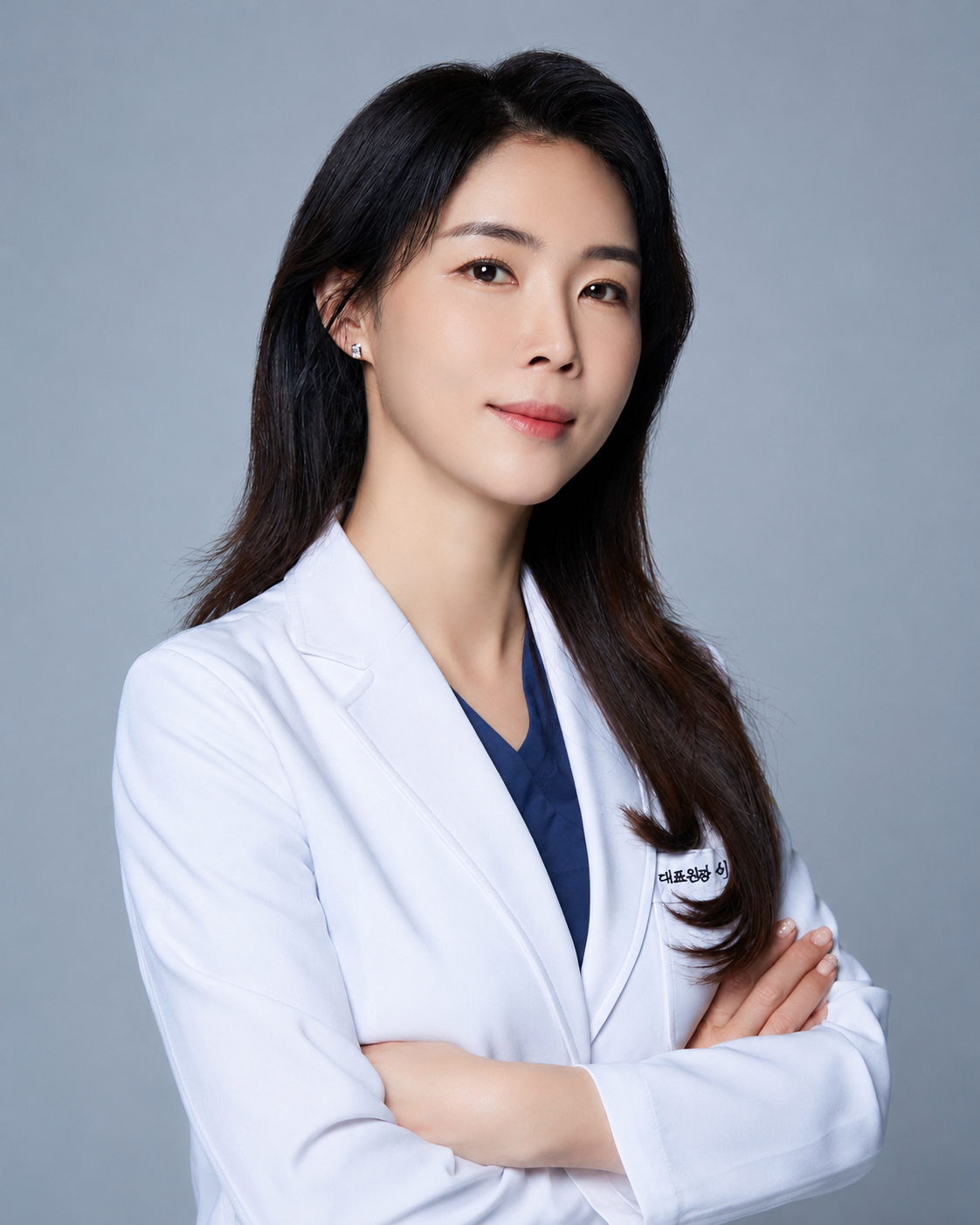
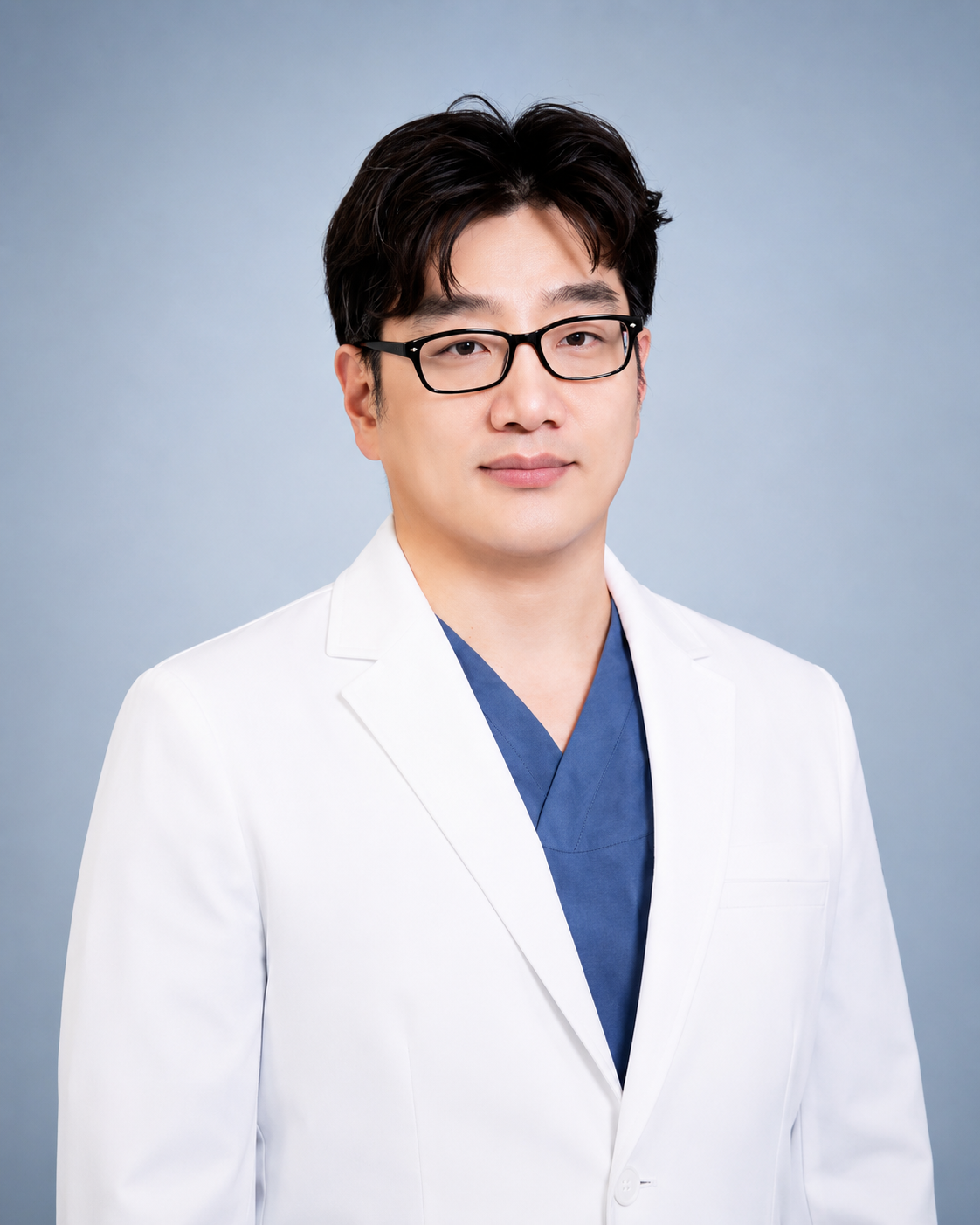
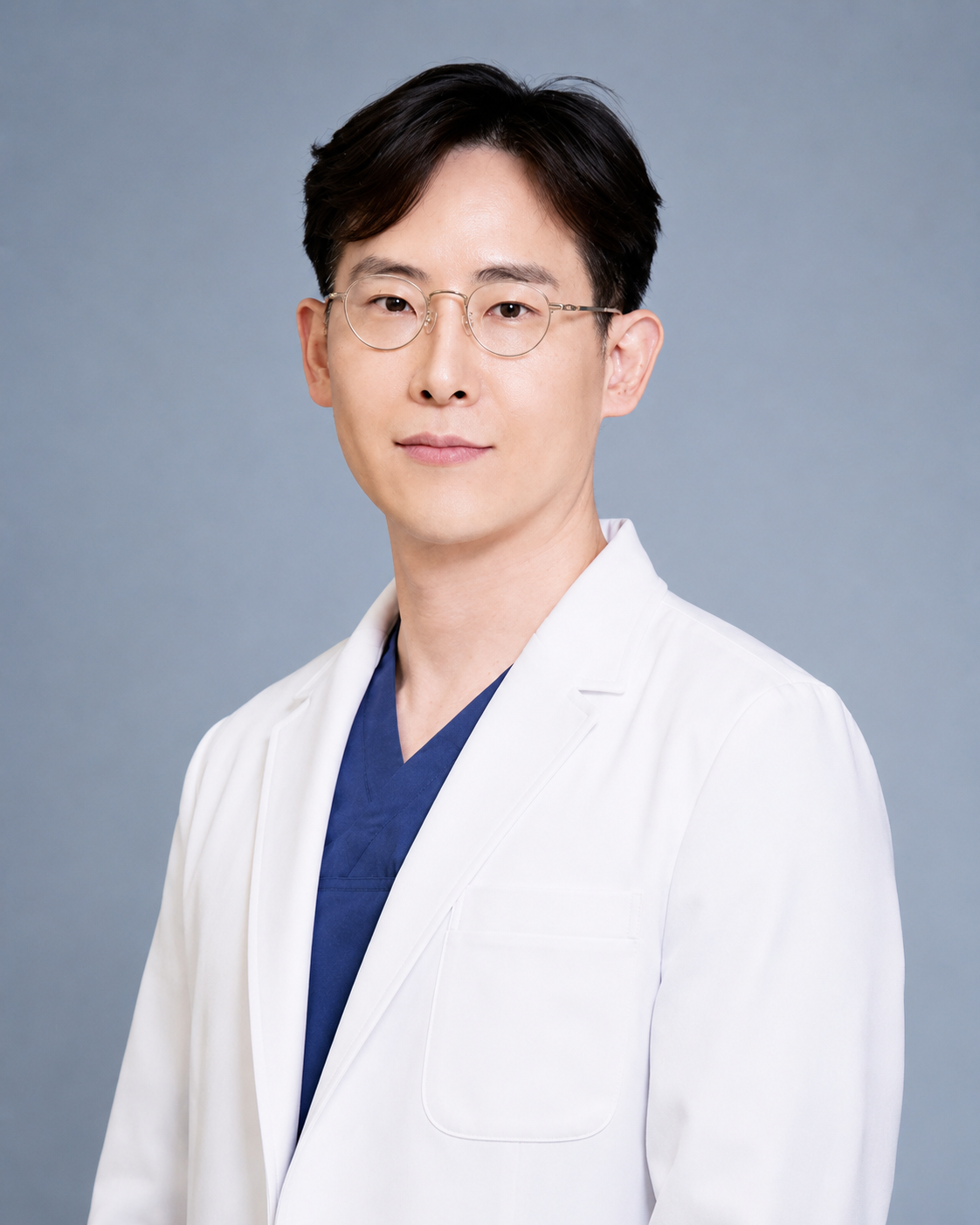
A doctor, in person, every time — never a nurse or a coordinator. JRYN Seomyeon has three doctors, and the clinic was founded by Dr. Jeong Heon Lee, who still consults here. What you actually need is decided during the consultation after your skin is examined, not from a fixed package chosen in advance.
Three doctors, one standard of care.
Every treatment plan at JRYN Seomyeon is decided and performed in person by one of our doctors — led by Dr. Jeong Heon Lee, founder of JRYN Dermatology.
From the Founder
The consultation is the treatment.
Most patients arrive asking for a specific treatment. My job is to check whether it is the right one for what they actually have. Getting that wrong is the most common mistake I correct.
Graduated from Inje University
Current Head of the JRYN Network
Current Chief Director of JRYN Seomyeon
Former Chief Director of Lin Clinic
Former Chief Director of Centum Lin Clinic
Managing Director · Seomyeon Main Branch
Dr. Yoon Jung-wook
Full Member, Korean Society of Aesthetic Plastic Surgery
Full Member, Korean Society for Aesthetic Plastic Surgery & Laser Medicine
Full Member, Korean Society of Obesity & Body Contouring
Former Neurosurgery Resident (3rd Year), Dong-A University Hospital
Former Intern, Dong-A University Hospital
Former Chief Director, Forever Plastic Surgery & Dermatology (Changwon)
Former Chief Director, Lovely Plastic Surgery & Dermatology (Changwon)
Former Director, Insta Plastic Surgery & Dermatology (Gimhae)
Former Director, Dr. Yoon Beauty Center (Vietnam)
Vice Managing Director · Seomyeon Main Branch
Dr. Jin Tae-wan
Former Director of Dermatology, MediWoman Women's Clinic
Former Director of Dermatology, Hangdo Quantum Clinic
Former Chief Director, AGE Clinic (formerly Paresa Clinic)
Former Chief Director, One Clinic (Guro)
Former Director, One Clinic (Gangnam)
Former Chief Director, SKY Plastic Surgery (Jongno)
Former Visiting Physician, Guangfu Aesthetic Plastic Surgery Hospital (Dalian, China)
Former Associate Director, Tokeshi Plastic Surgery
Former Associate Director, Midam Dermatology Clinic
Former Associate Director, Noble Line Plastic Surgery
Former Associate Director, Jeniva Plastic Surgery
Former Military Flight Surgeon, ROK Army Aviation Operations Command
Former Intern & Resident, Kangdong Sacred Heart Hospital
Before You Book
Questions patients ask first.
Not in Busan, where snow is unusual and temperatures stay mild. Healing is affected by dryness rather than cold as such, and that is managed with moisturiser rather than by avoiding the season.
Yes, and it is a common pattern. Flaking finishes within a week and the remaining protection requirement is easier to keep in a northern-hemisphere winter than in a tropical one — tell us where you are flying to, since that changes the advice.
Late autumn yes, early autumn less so. September carries residual UV and summer tans that need four weeks to fade. From late October the window is genuinely open.
No. Duration is driven by metabolism and movement rather than season. What can differ slightly is bruising, which some patients find is less in cold weather, though the effect is small.
Yes, and this is the most commonly skipped instruction. UV is lower rather than absent, visible light is unchanged, and reflected light from any snow is significant. Daily use continues year-round, particularly after pigment work.
Busier for pigment and resurfacing, since that is when Korean patients schedule courses. Weekday mornings remain the quietest slot in any season — see thirty-minute treatments
for scheduling around a short window.
Yes, and it is the standard plan. Starting in October or November means finishing before UV rises, which is the point of the window. Starting in February means the last sessions land in a rising-UV month and need more discipline.
Then the trip is built around season-independent treatments and a pigment course starts on a later visit — see summer: what to postpone
for what still works fully in August.
Doctor-led planning across six categories. Foreign patients pay the same as local patients — what changes a final figure is units and area, never nationality.
JRYN Seomyeon
· 4F Samjeong Tower, 672 Jungang-daero · 5 min from Seomyeon Station Exit 2 · 2 min from Seomyeon Mall Exit 16 · 6 min from Lotte Department Store Busan Main · 8 min from Jeonpo Cafe Street · inside Seomyeon Medical Street · open through lunch, seven days a week
Ready When You Are
Send your dates, get a plan before you fly.
Message us on WhatsApp with what you would like to address and when you will be in Busan. You will get an honest read in your language — including whether the treatment you have in mind is the right one.