4F, Samjeong Tower, 672 Jungang-daero, Busanjin-gu, Busan, Korea
Aftercare · Seomyeon, Busan · Foreigner-Friendly
Sun protection after treatment in Busan Seomyeon, and why it decides the result.
The single aftercare instruction that most affects whether a pigment treatment works — and the one most often given as a throwaway line. This sets out which treatments need it, for how long, and what actually blocks what.
Busan summers are the hardest window for pigment work
On This Page
Why does sun matter more after treatment than before?
Which treatments need strict protection, and for how long?
Which treatments do not require it?
Is SPF50 enough on its own?
How much and how often?
Does winter change anything?
What if I am travelling somewhere sunny?
What happens if I slip up once?
What else compounds the risk?
Patients who report that a laser did not work have frequently undone it themselves in the four weeks afterwards. This is not a lecture — it is an explanation of the mechanism, so the instruction becomes something you understand rather than something you were told.
Does This Sound Familiar?
What patients ask about sun
How strict do I actually need to be?
It is winter. Does it still matter?
I am flying somewhere sunny next week. Should I postpone?
Is SPF50 enough, or do I need something else?
What happens if I slip up once?
All five come up most weeks, and the fourth has an answer most people have not heard. The sections below take them in order.
Why does sun matter more after treatment than before?
Because treated skin is primed to produce pigment. Any inflammation signals melanocytes to increase melanin production, and UV is itself a pigment trigger — so exposure onto skin that has just been lasered stacks two signals rather than one. The result is post-inflammatory hyperpigmentation appearing two to four weeks later, which then takes months to clear. This is the mechanism behind almost every case of a pigment treatment that appeared to fail — see PIH risk on Asian skin.
Which treatments need strict protection, and for how long?
Anything touching pigment or the epidermis. Pico toning
and melasma treatment
need it from the moment you leave and indefinitely for melasma specifically. Fractional resurfacing
and acne scar work
need it from the moment flaking stops, for at least four weeks and sensibly beyond. Mole removal
sites need it until the pink has faded, which is two to three months.
Which treatments do not require it?
Botox, filler
and energy lifting
carry no pigment risk, because none of them injures the epidermis. Ordinary sun protection applies for ordinary reasons, but there is no treatment-specific window. Boosters
sit in between — no pigment risk, but injection points benefit from a day or two of not being baked while they settle.
Is SPF50 enough on its own?
For UV, yes. For melasma and for pigment-prone skin, not quite — and this is the part most patients have never been told. Visible light, particularly the blue end, drives melanocyte activity independently of UV, and conventional chemical sunscreens do not block it. Tinted mineral formulations containing iron oxides do. If you are treating melasma or you are prone to PIH, a tinted mineral sunscreen is meaningfully better than a higher SPF number.
Aftercare is given in writing, not just spoken
How much and how often?
More than people apply, and reapplied. The tested amount is roughly a teaspoon for the face and neck, which is considerably more than most people use, and reapplication every two to three hours of daylight exposure. Applying half the amount does not give half the protection — the relationship is worse than linear. This is duller advice than choosing a product, and it matters more.
Does winter change anything?
It reduces the requirement without removing it. UV is lower in a Korean winter but not absent, and visible light is unchanged year-round. Winter is genuinely the better season for pigment work and resurfacing for exactly this reason — less ambient UV, less sweat, easier compliance. Late autumn through early spring is when we would rather schedule a course if your travel allows it.
What if I am travelling somewhere sunny?
Then say so before treatment rather than after, because it changes the recommendation. Flying into strong sun days after pigment work is the worst available timing, and treating tanned skin on arrival is a contraindication rather than a caution. Where a sunny leg of the trip is unavoidable, we would rather move you to a treatment that does not depend on sun avoidance — boosters
or lifting
— than start something that will undo itself.
What happens if I slip up once?
Usually nothing dramatic. A single unprotected hour is not the same as four weeks of casual exposure, and the response is cumulative rather than triggered by one lapse. What causes problems is a pattern — skipping reapplication daily, or a beach day in the fortnight after treatment. If it happens, resume properly rather than concluding the course is ruined, and mention it at the next session so settings can account for it.
What else compounds the risk?
Heat independently of light, which surprises people. Saunas, hot yoga, cooking over a stove and hot showers directed at the face all raise skin temperature enough to stimulate pigment production — this matters most for melasma, where heat is a recognised trigger alongside UV and hormones. Patients who protect diligently from sun and sit in a jjimjilbang twice a week are working against themselves.
Our Medical Team
Who will actually treat you at JRYN Seomyeon?
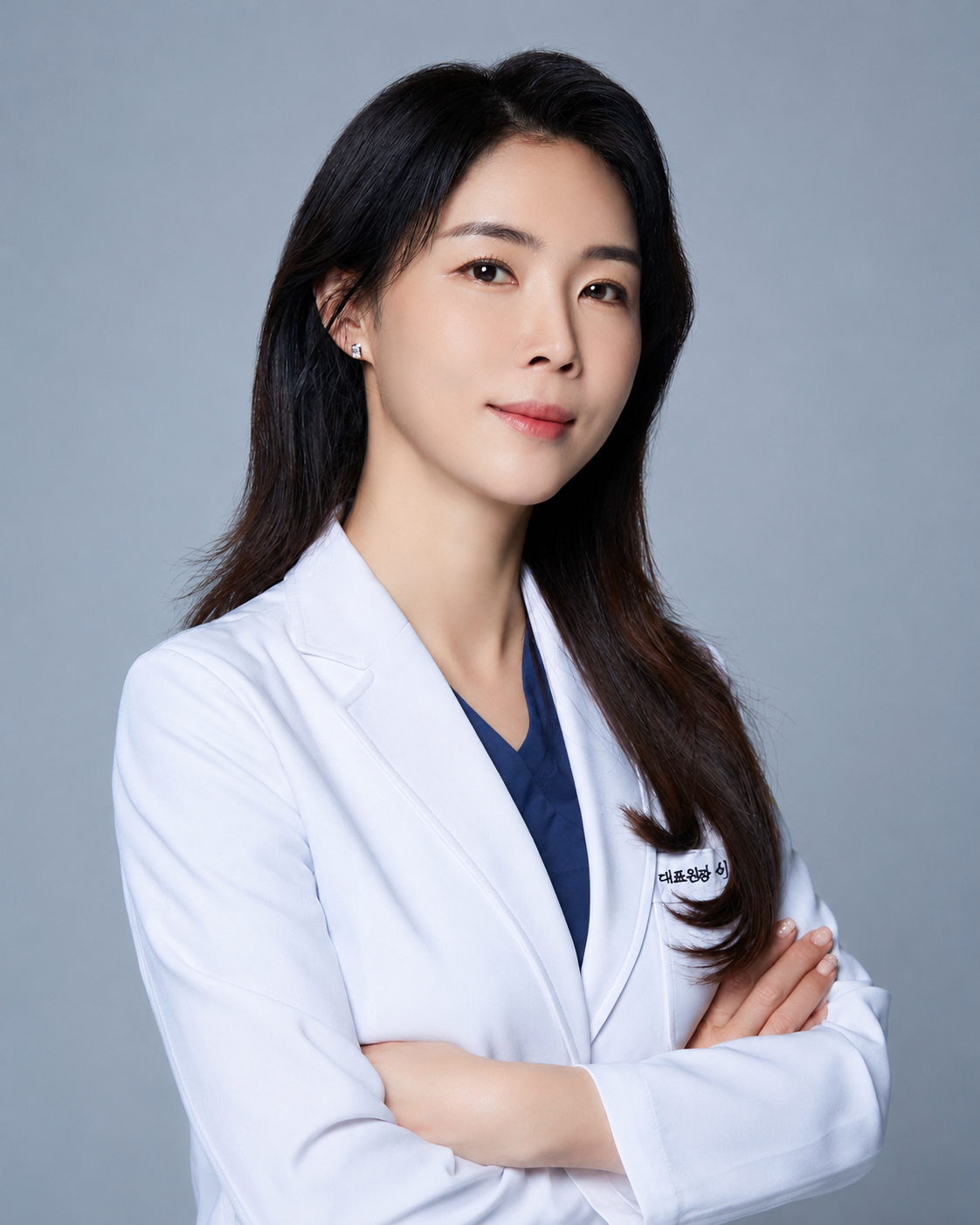
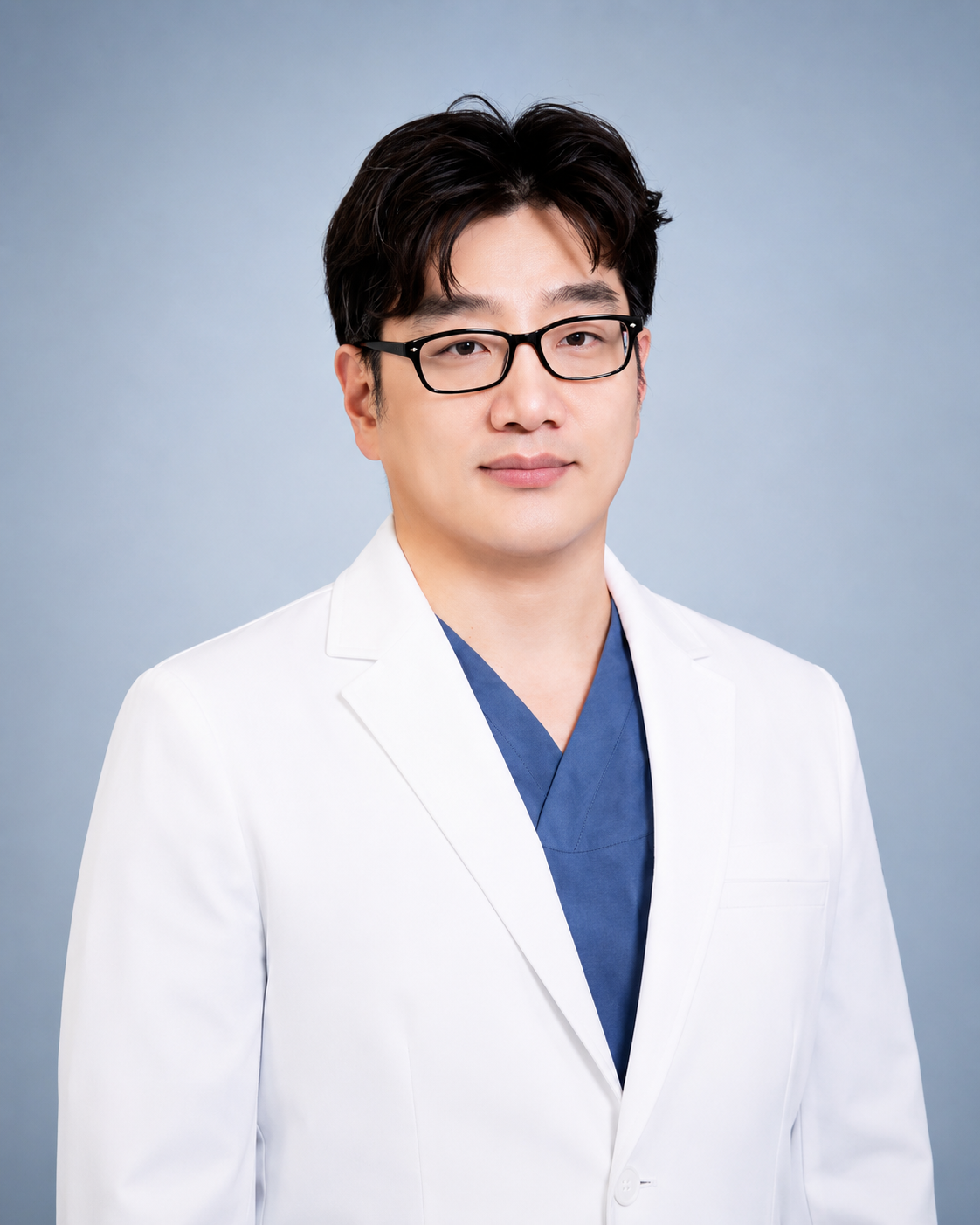
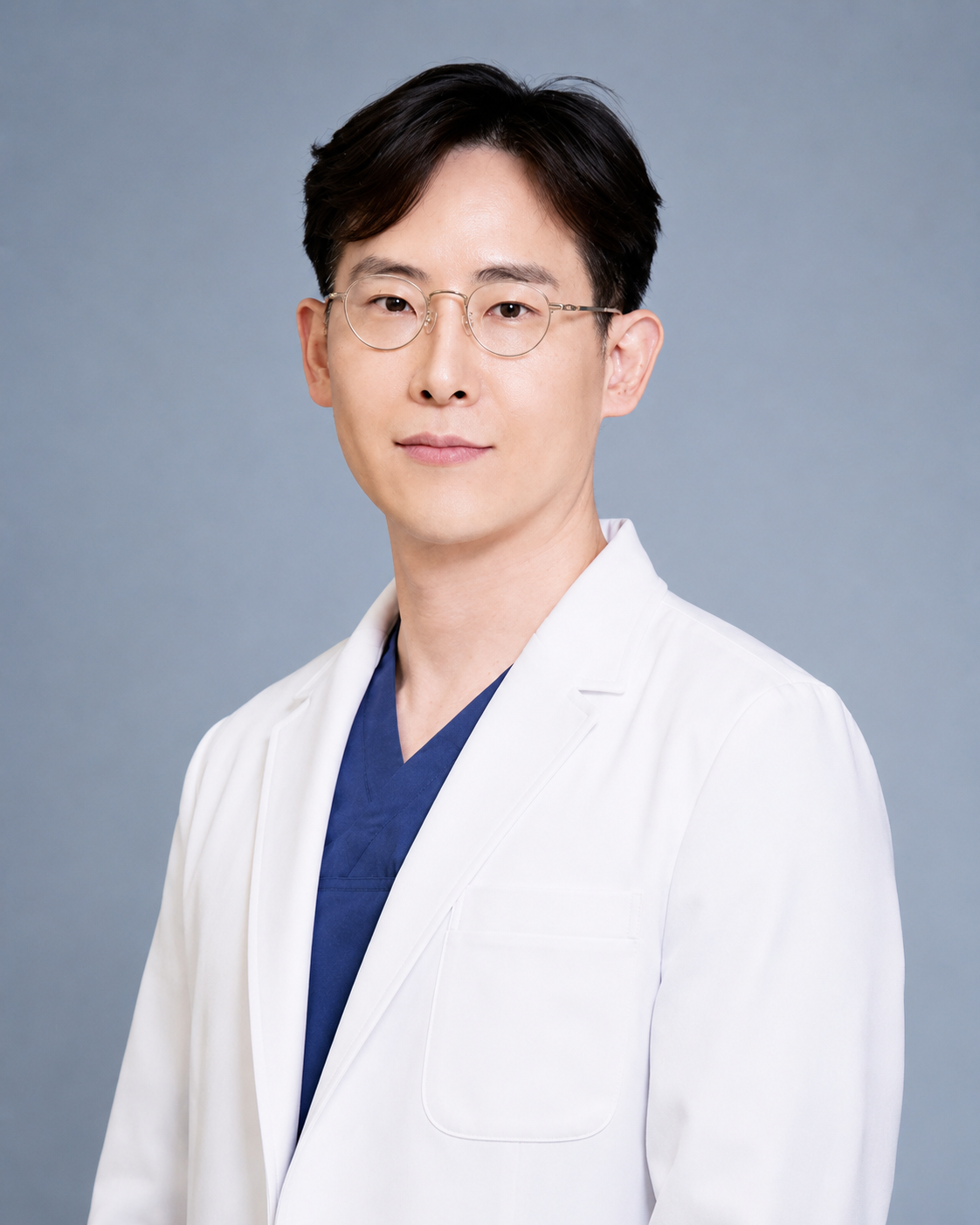
A doctor, in person, every time — never a nurse or a coordinator. JRYN Seomyeon has three doctors, and the clinic was founded by Dr. Jeong Heon Lee, who still consults here. What you actually need is decided during the consultation after your skin is examined, not from a fixed package chosen in advance.
Three doctors, one standard of care.
Every treatment plan at JRYN Seomyeon is decided and performed in person by one of our doctors — led by Dr. Jeong Heon Lee, founder of JRYN Dermatology.
From the Founder
The consultation is the treatment.
Most patients arrive asking for a specific treatment. My job is to check whether it is the right one for what they actually have. Getting that wrong is the most common mistake I correct.
Graduated from Inje University
Current Head of the JRYN Network
Current Chief Director of JRYN Seomyeon
Former Chief Director of Lin Clinic
Former Chief Director of Centum Lin Clinic
Managing Director · Seomyeon Main Branch
Dr. Yoon Jung-wook
Full Member, Korean Society of Aesthetic Plastic Surgery
Full Member, Korean Society for Aesthetic Plastic Surgery & Laser Medicine
Full Member, Korean Society of Obesity & Body Contouring
Former Neurosurgery Resident (3rd Year), Dong-A University Hospital
Former Intern, Dong-A University Hospital
Former Chief Director, Forever Plastic Surgery & Dermatology (Changwon)
Former Chief Director, Lovely Plastic Surgery & Dermatology (Changwon)
Former Director, Insta Plastic Surgery & Dermatology (Gimhae)
Former Director, Dr. Yoon Beauty Center (Vietnam)
Vice Managing Director · Seomyeon Main Branch
Dr. Jin Tae-wan
Former Director of Dermatology, MediWoman Women's Clinic
Former Director of Dermatology, Hangdo Quantum Clinic
Former Chief Director, AGE Clinic (formerly Paresa Clinic)
Former Chief Director, One Clinic (Guro)
Former Director, One Clinic (Gangnam)
Former Chief Director, SKY Plastic Surgery (Jongno)
Former Visiting Physician, Guangfu Aesthetic Plastic Surgery Hospital (Dalian, China)
Former Associate Director, Tokeshi Plastic Surgery
Former Associate Director, Midam Dermatology Clinic
Former Associate Director, Noble Line Plastic Surgery
Former Associate Director, Jeniva Plastic Surgery
Former Military Flight Surgeon, ROK Army Aviation Operations Command
Former Intern & Resident, Kangdong Sacred Heart Hospital
Before You Book
Questions patients ask first.
A broad-spectrum SPF50, and tinted mineral if you are treating melasma or prone to PIH. Beyond that, the one you will actually reapply beats the one with better specifications sitting unused. Korean formulations are generally light and well tolerated, which helps with compliance.
Yes, and foundation with SPF adds a little. It does not replace sunscreen, since the applied amount is far below the tested quantity. Powder or cushion products with SPF are a practical way to reapply over make-up during the day.
Partially. Standard glass blocks UVB but transmits much of UVA, and visible light passes freely. Long daily commutes on the driver's side are a recognised cause of asymmetric pigmentation — worth knowing if one side of your face is consistently worse.
Visible light from screens is negligible compared with a few minutes outdoors. Indoor daylight through windows is not — if you sit beside a window all day, that is meaningful exposure and tinted sunscreen indoors is reasonable for melasma patients.
Avoid direct exposure entirely until flaking has finished, then strict protection for at least four weeks. New skin is more vulnerable than intact skin, and this is the window where a holiday will cost you the result.
Complementary rather than equivalent. A wide brim reduces direct exposure substantially but not reflected light from pavement or water. Use both — a hat is easier to be consistent with than reapplication.
Real but modest at typical application amounts, and not a reason to skip it after treatment. If it concerns you, supplementation is straightforward and far safer than unprotected exposure onto treated skin.
Yes, with more discipline required and postponement if you are recently tanned. Winter is the better window where your travel allows it — see the five-day itinerary
for how sun exposure is sequenced within a trip.
Doctor-led planning across six categories. Foreign patients pay the same as local patients — what changes a final figure is units and area, never nationality.
JRYN Seomyeon
· 4F Samjeong Tower, 672 Jungang-daero · 5 min from Seomyeon Station Exit 2 · 2 min from Seomyeon Mall Exit 16 · 6 min from Lotte Department Store Busan Main · 8 min from Jeonpo Cafe Street · inside Seomyeon Medical Street · open through lunch, seven days a week
Ready When You Are
Send your dates, get a plan before you fly.
Message us on WhatsApp with what you would like to address and when you will be in Busan. You will get an honest read in your language — including whether the treatment you have in mind is the right one.