4F, Samjeong Tower, 672 Jungang-daero, Busanjin-gu, Busan, Korea
Comparison · Seomyeon, Busan · Foreigner-Friendly
EMFACE in Busan Seomyeon, and what treating muscle adds.
Almost every other treatment here works on skin, volume or fat. EMFACE combines radiofrequency with electromagnetic muscle stimulation, which addresses a component nothing else reaches — and suits a specific patient rather than everyone.
Facial ageing is usually described as loss of collagen and volume, with muscle rarely mentioned. That omission is why a category of patient gets partial results from otherwise correct treatment, and why a device working on muscle tone is worth understanding rather than dismissing as a gimmick.
Does This Sound Familiar?
What patients ask about EMFACE
Does treating muscle actually do anything for a face?
Is this just a machine version of facial exercises?
I have had lifting and filler and something still looks flat.
How does it compare with HIFU for the money?
Is it comfortable? I do not want needles.
All five come up most weeks, and the third describes the patient this device suits best. The sections below explain the mechanism.
What EMFACE actually does
Two things simultaneously. Synchronised radiofrequency heats the dermis to stimulate collagen and elastin, exactly as other RF platforms
do. Alongside that, high-intensity electromagnetic stimulation contracts the frontalis and the zygomatic muscles thousands of times per session, which increases their tone and density. The combination treats the skin and the structure beneath it in one sitting — see EMFACE.
Why does muscle tone matter?
Because facial muscles provide part of the support that holds soft tissue in position, and they atrophy with age like any other muscle. A face with good skin quality and adequate volume can still look flat or downturned if the underlying elevators have weakened. That component is invisible in most assessments and untouched by filler, HIFU
or boosters.
Is this the same as facial exercises?
No, and the difference is dose. Voluntary contraction reaches a fraction of the intensity and cannot be sustained — a session delivers a number of contractions no one could perform deliberately. Facial exercise has limited evidence for structural change; supramaximal stimulation has measurable effects on muscle density in published studies. It is a different order of intervention rather than a mechanised version of the same idea.
Why is muscle left out of most plans?
Partly because the tools to address it are recent and partly because the assessment does not obviously point at it. A patient describing a flat midface gets examined for volume loss and laxity, both of which are visible and measurable, while reduced elevator tone looks like a milder version of the same thing. The practical consequence is a plan that restores volume
and firms skin
and still leaves the face reading as slightly fallen — a residual that patients describe as looking better but not quite lifted, and that has a specific cause.
What are the honest limits here?
It does not lift fallen tissue, does not restore lost volume and does not clear pigment. Where jowling is established or skin excess is significant, it improves tone without changing the contour that bothers you — and saying so is more useful than adding it to a plan where the dominant problem sits elsewhere. The technology is also newer than HIFU or RF, which means a shorter record rather than a weaker one, and that is worth stating plainly to patients weighing it against better-established options.
Comfortable throughout — no needles, no numbing
Which patient does it suit?
Someone whose skin quality is reasonable, whose volume is adequate or already restored, and whose face still reads as flat or slightly fallen — particularly across the midface and brow. It also suits patients who want a result without needles and without downtime. It suits poorly anyone whose dominant problem is significant descent or skin excess, where structural lifting
or surgery does more.
How does it compare with HIFU on value?
Different targets rather than a straight comparison. HIFU
tightens the SMAS and produces lift; EMFACE improves muscle tone and skin quality without repositioning anything. For a patient with clear jowling, HIFU does more per won. For a patient whose face is structurally intact but lacks definition and lift in the upper and mid face, EMFACE reaches something HIFU does not.
What does the treatment involve?
Applicators placed on the forehead and both cheeks, twenty minutes, no needles, no numbing and nothing visible afterwards. The sensation is warmth with rhythmic muscle contraction — unusual rather than uncomfortable, and most patients find it entirely tolerable. Make-up and normal activity immediately — see no-downtime treatments.
How many sessions and how long does it last?
Four sessions over two weeks as an initial course, with results building over six to twelve weeks as both collagen and muscle respond. Maintenance every six to twelve months holds it. Like other collagen-based treatments, repeat courses build on the previous one rather than starting fresh — see how long results last.
Does it interact with botox?
Yes, and it needs planning. Botox
relaxes muscle while EMFACE stimulates it, so treating the same muscles with both works against itself. In practice the areas differ — botox typically targets the frown and forehead depressors while EMFACE targets elevators — but the plan should account for it rather than treating them as unrelated. Tell us what botox you have had and where.
Where does it fit in a plan?
Usually as an addition rather than a foundation. Volume first where it is lacking, structural lifting where descent is present, then EMFACE for the tone and definition component. Patients who have done the first two and still feel something is missing are the ones for whom this most often supplies the answer — see combining treatments.
Our Medical Team
Who will actually treat you at JRYN Seomyeon?
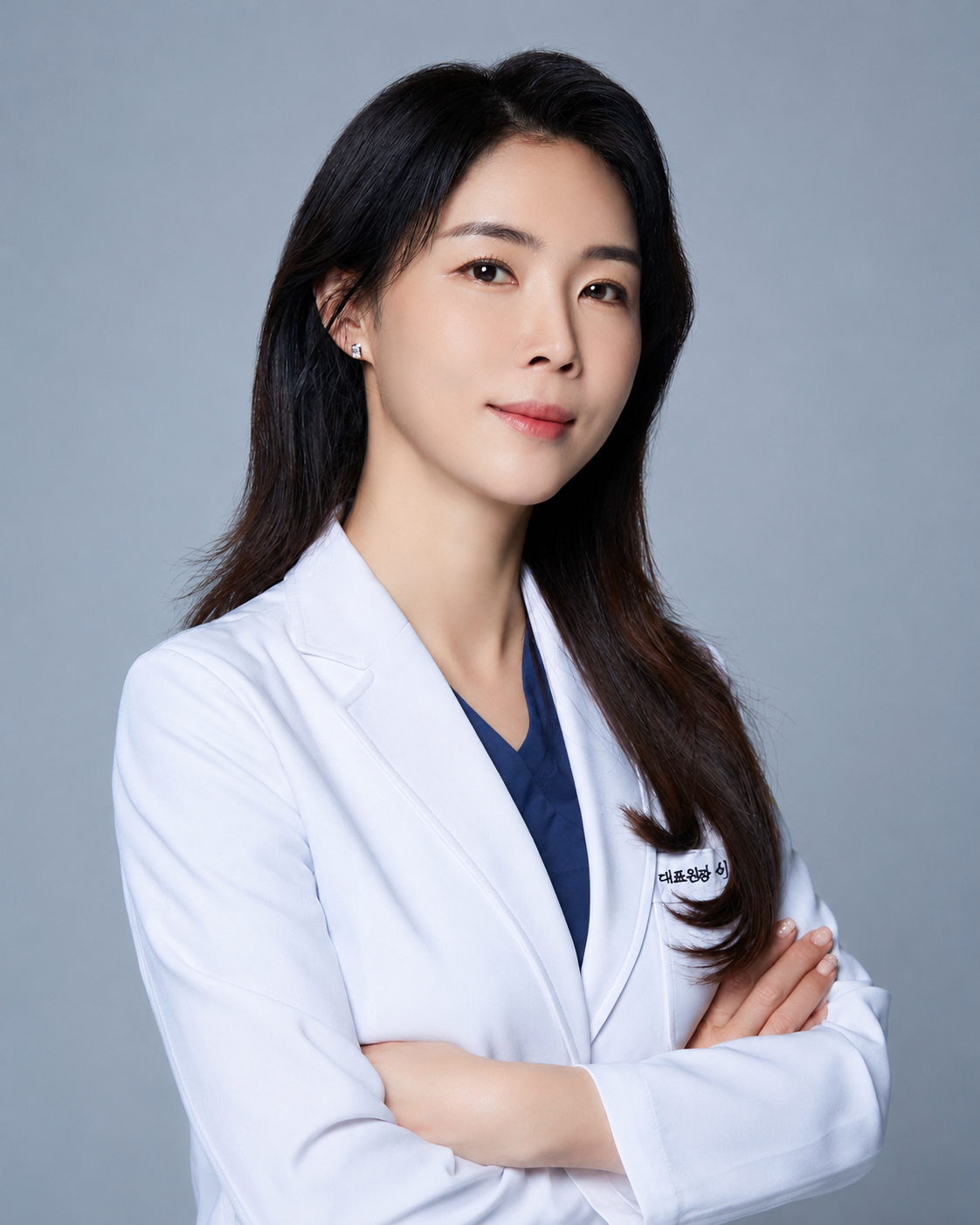
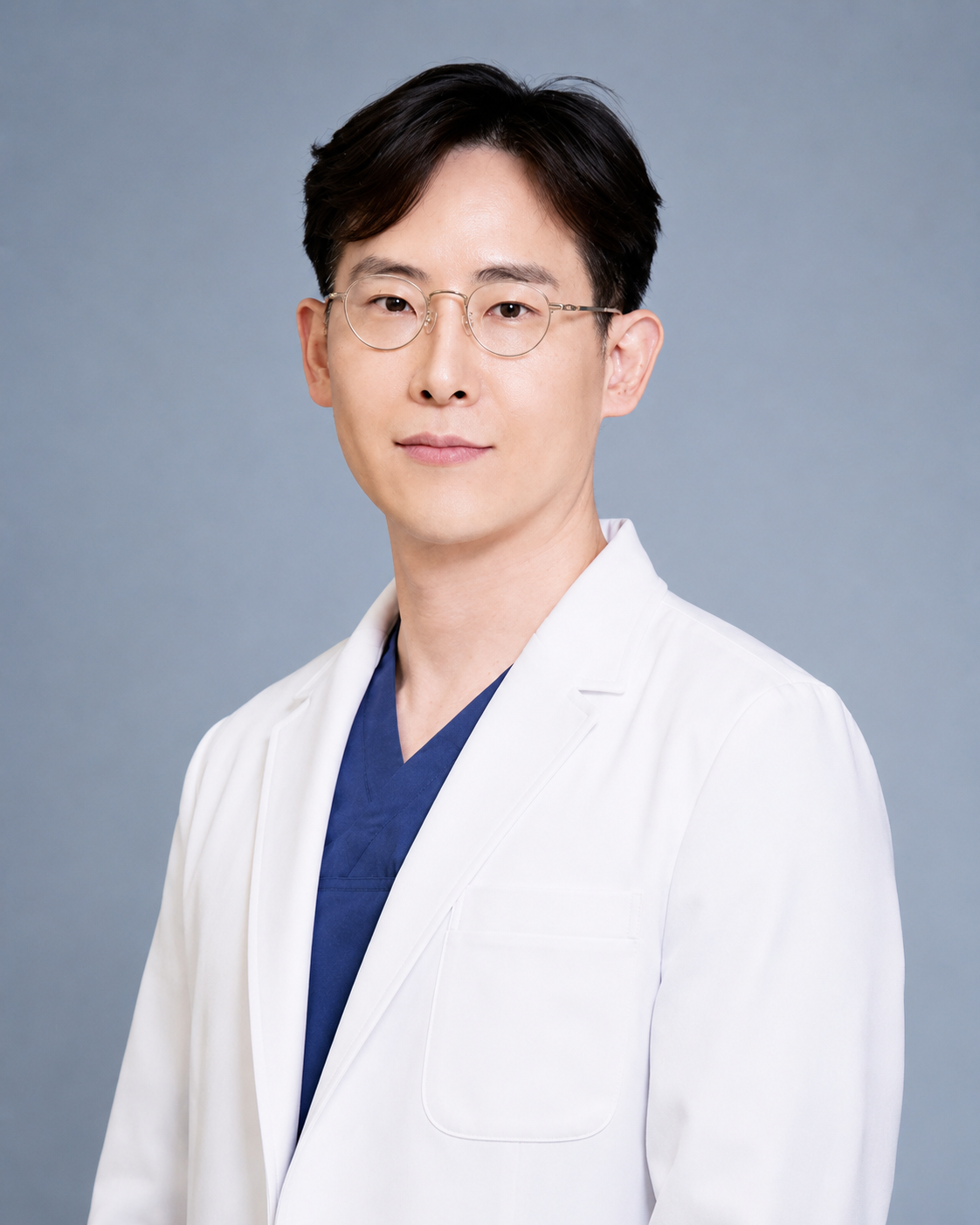
A doctor, in person, every time — never a nurse or a coordinator. JRYN Seomyeon has three doctors, and the clinic was founded by Dr. Jeong Heon Lee, who still consults here. What you actually need is decided during the consultation after your skin is examined, not from a fixed package chosen in advance.
Three doctors, one standard of care.
Every treatment plan at JRYN Seomyeon is decided and performed in person by one of our doctors — led by Dr. Jeong Heon Lee, founder of JRYN Dermatology.
From the Founder
The consultation is the treatment.
Most patients arrive asking for a specific treatment. My job is to check whether it is the right one for what they actually have. Getting that wrong is the most common mistake I correct.
Graduated from Inje University
Current Head of the JRYN Network
Current Chief Director of JRYN Seomyeon
Former Chief Director of Lin Clinic
Former Chief Director of Centum Lin Clinic
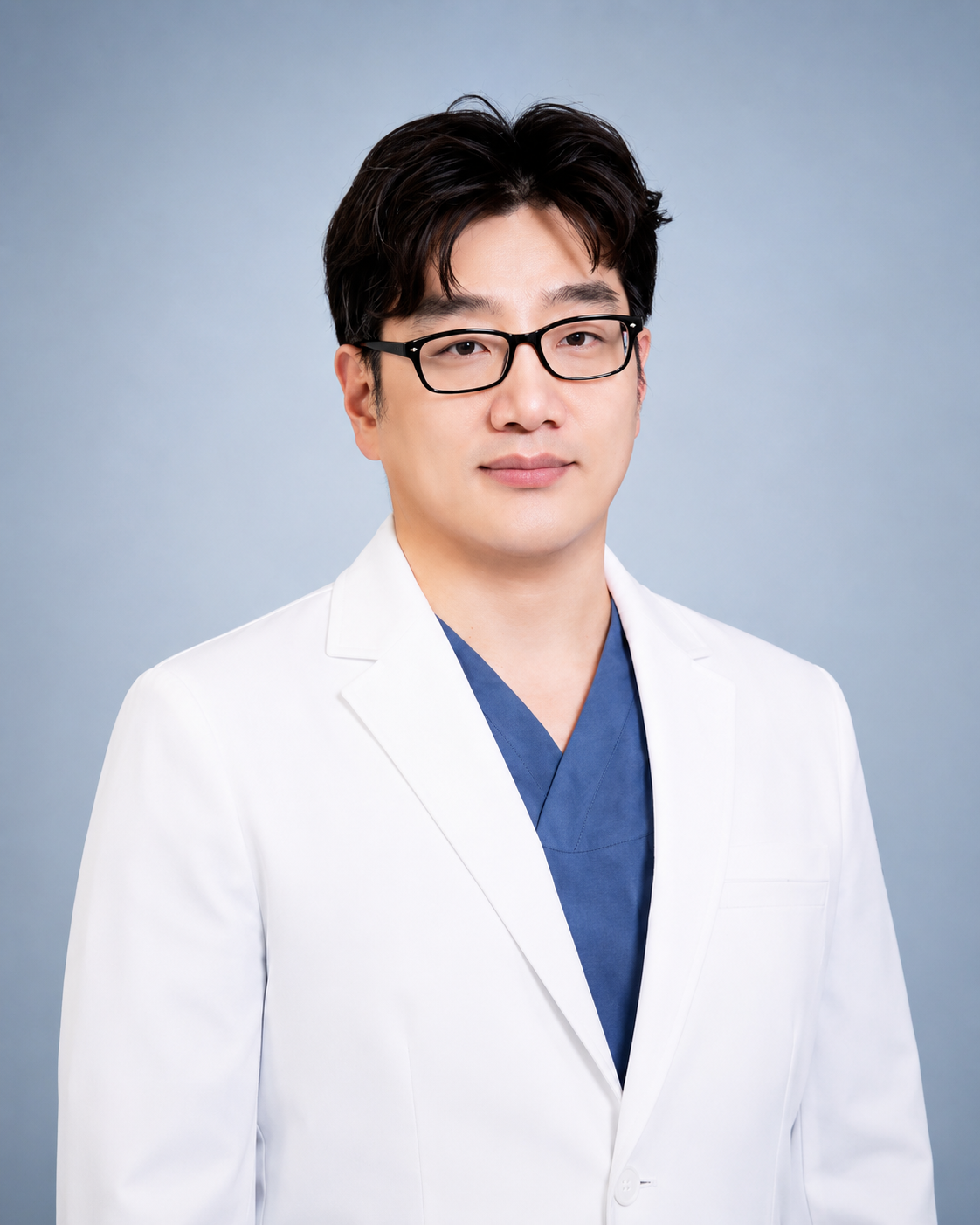
Managing Director · Seomyeon Main Branch
Dr. Yoon Jung-wook
Full Member, Korean Society of Aesthetic Plastic Surgery
Full Member, Korean Society for Aesthetic Plastic Surgery & Laser Medicine
Full Member, Korean Society of Obesity & Body Contouring
Former Neurosurgery Resident (3rd Year), Dong-A University Hospital
Former Intern, Dong-A University Hospital
Former Chief Director, Forever Plastic Surgery & Dermatology (Changwon)
Former Chief Director, Lovely Plastic Surgery & Dermatology (Changwon)
Former Director, Insta Plastic Surgery & Dermatology (Gimhae)
Former Director, Dr. Yoon Beauty Center (Vietnam)
Vice Managing Director · Seomyeon Main Branch
Dr. Jin Tae-wan
Former Director of Dermatology, MediWoman Women's Clinic
Former Director of Dermatology, Hangdo Quantum Clinic
Former Chief Director, AGE Clinic (formerly Paresa Clinic)
Former Chief Director, One Clinic (Guro)
Former Director, One Clinic (Gangnam)
Former Chief Director, SKY Plastic Surgery (Jongno)
Former Visiting Physician, Guangfu Aesthetic Plastic Surgery Hospital (Dalian, China)
Former Associate Director, Tokeshi Plastic Surgery
Former Associate Director, Midam Dermatology Clinic
Former Associate Director, Noble Line Plastic Surgery
Former Associate Director, Jeniva Plastic Surgery
Former Military Flight Surgeon, ROK Army Aviation Operations Command
Former Intern & Resident, Kangdong Sacred Heart Hospital
Before You Book
Questions patients ask first.
No. Warmth and rhythmic contraction, described as strange rather than painful. It is among the most comfortable treatments offered here — see numbing and anaesthesia.
Not for descent. It includes an RF component so it does part of what RF platforms do, but it does not reach the SMAS and does not lift fallen tissue.
No — increased muscle tone reads as lift and definition rather than bulk. Facial muscles do not hypertrophy visibly the way skeletal muscle does.
Yes, with the same protocol. Male patients frequently prefer it as an entry treatment since nothing is injected — see skin treatments for men.
Yes. Unlike thermal treatments at higher intensity, the RF component here is moderate and does not meaningfully accelerate filler breakdown. Mention recent placement so the plan accounts for it.
Some patients notice a difference after the four-session course; the fuller effect arrives at six to twelve weeks as collagen and muscle both respond.
Electromagnetic stimulation is contraindicated with pacemakers, implanted defibrillators and certain metal implants. Disclose any at consultation — this is one of the few treatments here with a genuine device-related exclusion.
There are published studies showing measurable changes in muscle density and lift. The technology is newer than HIFU or RF, so the long-term record is correspondingly shorter — see MFDS approval.
Doctor-led planning across six categories. Foreign patients pay the same as local patients — what changes a final figure is units and area, never nationality.
JRYN Seomyeon
· 4F Samjeong Tower, 672 Jungang-daero · 5 min from Seomyeon Station Exit 2 · 2 min from Seomyeon Mall Exit 16 · 6 min from Lotte Department Store Busan Main · 8 min from Jeonpo Cafe Street · inside Seomyeon Medical Street · open through lunch, seven days a week
Ready When You Are
Send your dates, get a plan before you fly.
Message us on WhatsApp with what you would like to address and when you will be in Busan. You will get an honest read in your language — including whether the treatment you have in mind is the right one.