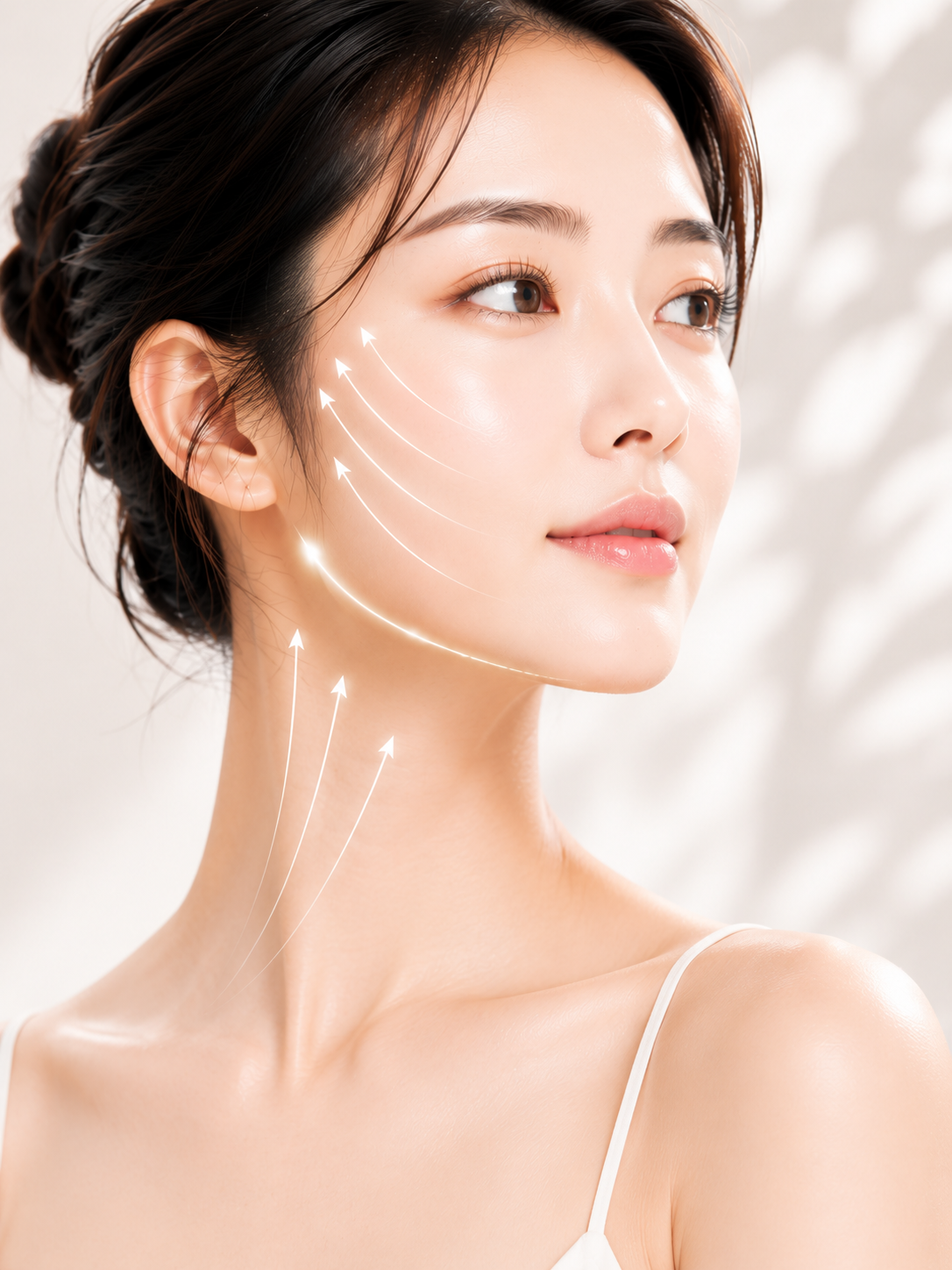
Neck and hand treatment in Busan Seomyeon, and why they age differently.
Both are thin-skinned, poorly supported and heavily sun-exposed, and both are routinely left out of a plan built around the face. This explains what changes there and which treatments suit tissue with almost nothing beneath it.
Neck and hands are assessed alongside the face, not after it
On This Page
Why does the neck age faster than the face?
What produces the vertical bands?
What treats horizontal neck lines?
Does lifting work on the neck?
Why are hands so revealing?
What treats the hands?
Why do these areas need lower settings?
What are the honest limits?
Why do these areas get left out of a plan?
What does prevention look like here?
When should these be treated?
A well-treated face above an untreated neck is the mismatch people notice without being able to name it. Both areas respond to treatment; both need different settings and more realistic expectations than the face.
Does This Sound Familiar?
What patients say about neck and hands
My face looks fine and my neck looks ten years older.
I have vertical bands that show when I talk.
The backs of my hands have brown spots and visible veins.
The skin on my neck creases horizontally now.
Can these be treated or is it a lost cause?
All five come up most weeks, and the last one has a more encouraging answer than patients expect. The sections below take the two areas in turn.
Why does the neck age faster than the face?
Three reasons that compound. The skin is thinner with fewer sebaceous glands, so it dehydrates more readily and the barrier is less resilient. There is very little subcutaneous fat, so nothing cushions the loss of collagen. And it receives substantial UV exposure while being the area people most reliably forget to apply sunscreen to. The result is that neck skin often looks a decade older than the face above it.
What produces the vertical bands?
The platysma, a broad sheet of muscle running from the chest across the jawline. As it loses tone the medial edges become prominent and stand out as cords, particularly on speaking or grimacing. These are muscular rather than skin-related, which is why botox
into the bands softens them effectively while skin treatment does nothing for them.
What treats horizontal neck lines?
Different mechanism, different answer. Horizontal creases are partly postural and partly skin quality, and they respond to polynucleotide boosters
improving dermal density and to gentle resurfacing
at reduced settings. They soften rather than disappear — a crease set into thin skin over years is the hardest thing on this page to remove entirely.
Does lifting work on the neck?
Yes, and it is where energy treatment
earns its place alongside the jaw. Focused ultrasound and radiofrequency both treat the neck, and the neck is usually included in a jawline plan rather than treated separately — the platysma crosses both, so tightening one without the other produces an odd result. Settings are lower than on the face because the tissue is thinner.
Why are hands so revealing?
Because they combine three things at once. The skin is thin with almost no fat beneath it, so tendons and veins become prominent as volume is lost. They receive more cumulative UV than any area except the face, producing sun spots. And nothing about clothing or makeup conceals them. Hands are where age is read when a face has been treated, which is why they belong in the conversation.
Thin skin needs lower settings and more patience
What treats the hands?
Two components, treated separately. Pico toning
clears sun spots on the backs of the hands, typically across three to five sessions and often faster than facial pigment because the target is discrete. Volume loss responds to collagen stimulators
or filler
placed in the dorsal plane, which softens the prominence of tendons and veins without producing a puffy appearance.
Why do these areas need lower settings?
Because thin skin with little underlying support tolerates less energy before the response becomes disproportionate. Healing is slower — the neck and hands are the two areas where an over-aggressive laser session most often produces a lasting mark rather than a temporary one. Practitioners treating the neck at facial settings is a recognised source of complications, which is why it is treated more cautiously and across more sessions.
What are the honest limits?
Advanced neck laxity with substantial skin excess reaches the same limit as the jawline — energy and threads improve it, surgery does more. Deeply set horizontal creases soften rather than clear. Hand volume can be restored meaningfully but prominent veins in very thin skin remain partially visible. Each of these is worth knowing before starting rather than after — see how a consultation works.
Why do these areas get left out of a plan?
Partly because patients present with a facial concern and partly because clinics quote what was asked for. Nobody arrives saying their hands look old — they arrive about the jawline, and the hands are noticed later in a photograph. That sequencing means the neck and hands are usually added as an afterthought at a second visit, which costs more than including them from the start. Raising it at consultation is worth doing even if the answer is that they can wait: knowing the whole picture makes the ranking meaningful rather than partial.
What does prevention look like here?
Extending what you already do rather than adding anything. Sunscreen applied to the neck, chest and backs of the hands daily is the single highest-return habit for these areas, and it is the one most consistently skipped — most people apply to the face and stop at the jaw. Moisturiser on the neck matters more than on the face given fewer sebaceous glands. Neither of these reverses existing change, but both slow what would otherwise accumulate — see sun protection
for why visible light matters as well as UV.
When should these be treated?
Alongside the face rather than after it, which is the practical point of the page. A jawline plan that stops at the mandible leaves a visible transition. A pigment course on the face while the hands go untreated leaves the giveaway intact. Adding neck and hands to an existing plan usually costs less than treating them as a separate course later — see combining treatments.
Our Medical Team
Who will actually treat you at JRYN Seomyeon?
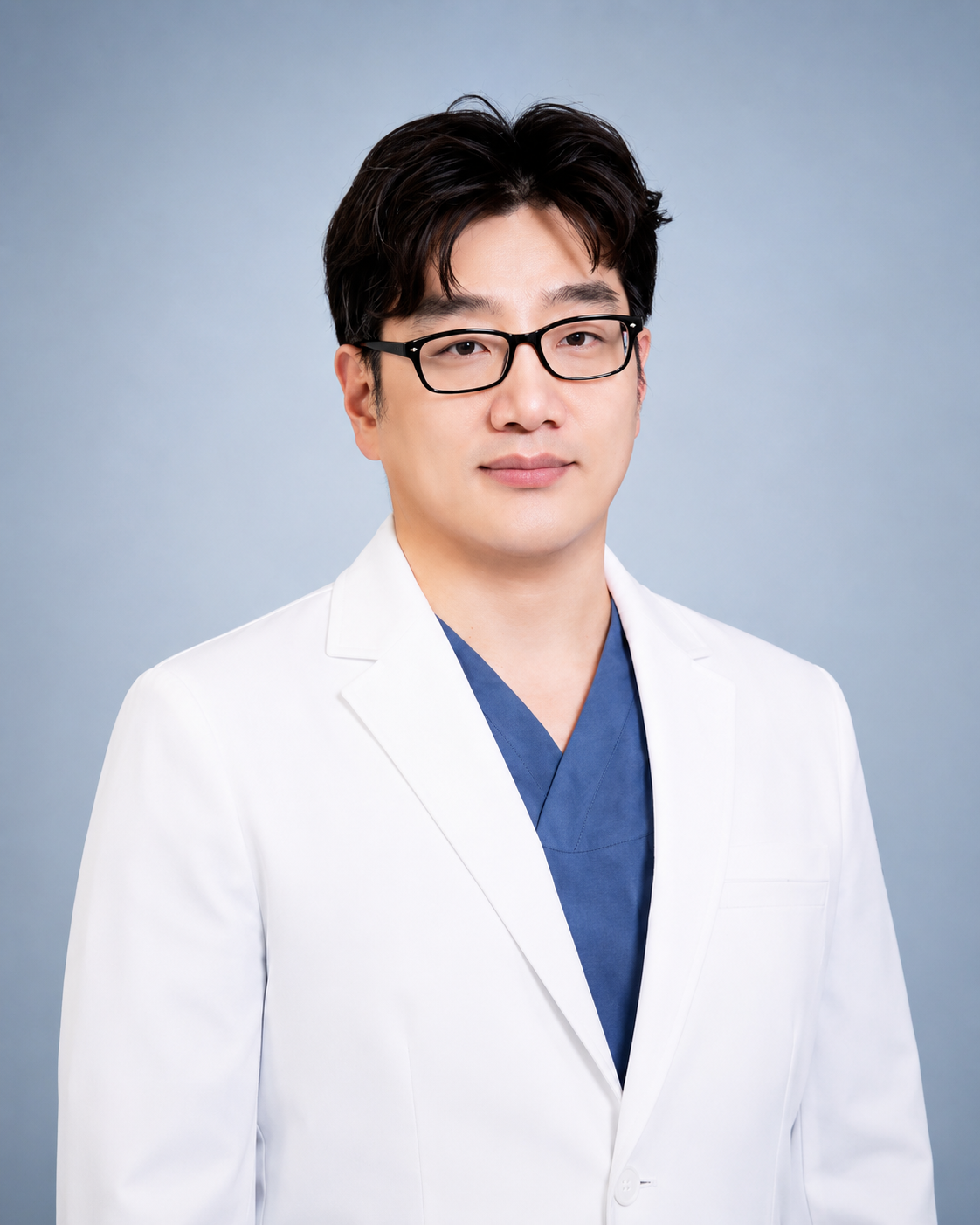
A doctor, in person, every time — never a nurse or a coordinator. JRYN Seomyeon has three doctors, and the clinic was founded by Dr. Jeong Heon Lee, who still consults here. What you actually need is decided during the consultation after your skin is examined, not from a fixed package chosen in advance.
Three doctors, one standard of care.
Every treatment plan at JRYN Seomyeon is decided and performed in person by one of our doctors — led by Dr. Jeong Heon Lee, founder of JRYN Dermatology.
From the Founder
The consultation is the treatment.
Most patients arrive asking for a specific treatment. My job is to check whether it is the right one for what they actually have. Getting that wrong is the most common mistake I correct.
Graduated from Inje University
Current Head of the JRYN Network
Current Chief Director of JRYN Seomyeon
Former Chief Director of Lin Clinic
Former Chief Director of Centum Lin Clinic
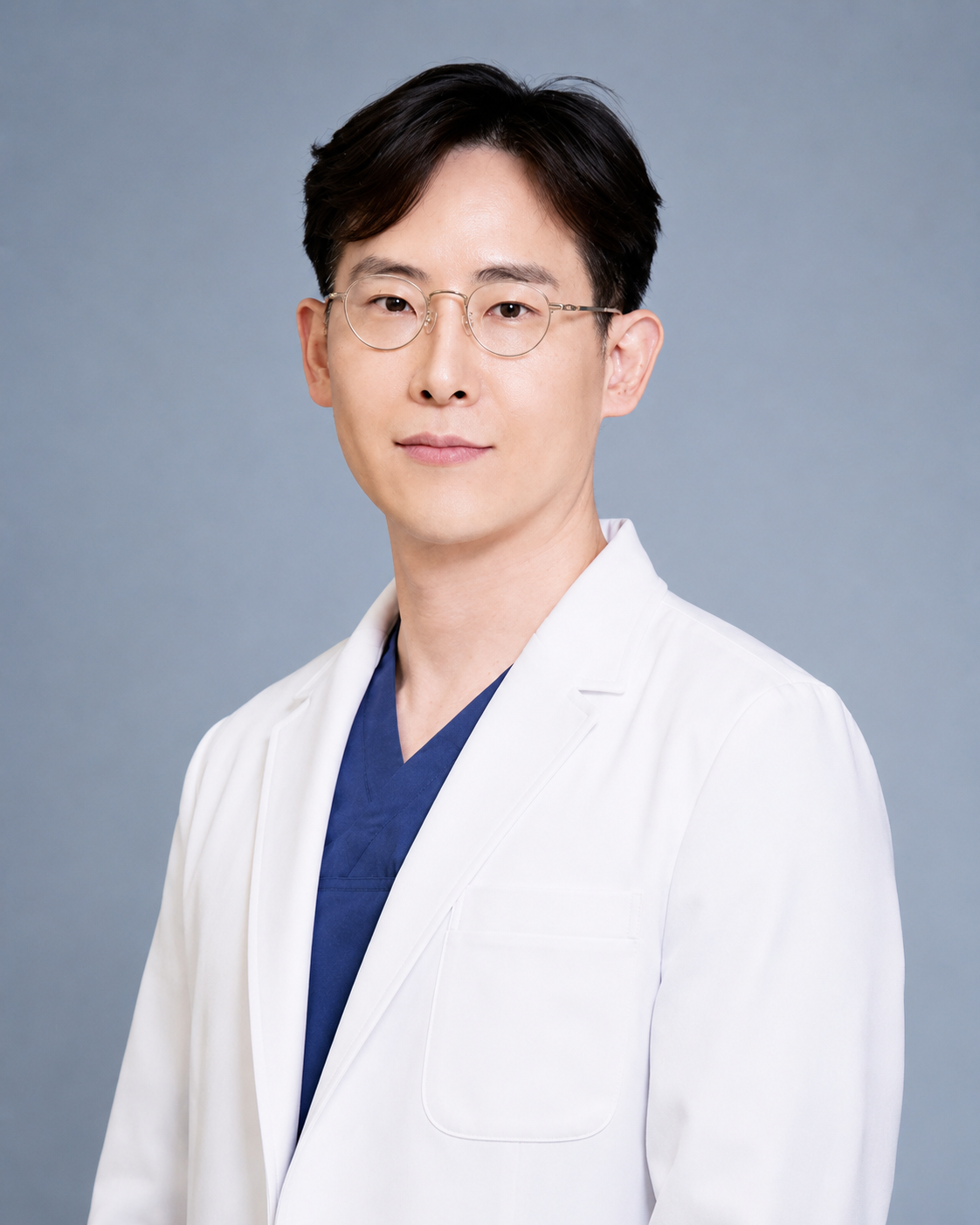
Managing Director · Seomyeon Main Branch
Dr. Yoon Jung-wook
Full Member, Korean Society of Aesthetic Plastic Surgery
Full Member, Korean Society for Aesthetic Plastic Surgery & Laser Medicine
Full Member, Korean Society of Obesity & Body Contouring
Former Neurosurgery Resident (3rd Year), Dong-A University Hospital
Former Intern, Dong-A University Hospital
Former Chief Director, Forever Plastic Surgery & Dermatology (Changwon)
Former Chief Director, Lovely Plastic Surgery & Dermatology (Changwon)
Former Director, Insta Plastic Surgery & Dermatology (Gimhae)
Former Director, Dr. Yoon Beauty Center (Vietnam)
Vice Managing Director · Seomyeon Main Branch
Dr. Jin Tae-wan
Former Director of Dermatology, MediWoman Women's Clinic
Former Director of Dermatology, Hangdo Quantum Clinic
Former Chief Director, AGE Clinic (formerly Paresa Clinic)
Former Chief Director, One Clinic (Guro)
Former Director, One Clinic (Gangnam)
Former Chief Director, SKY Plastic Surgery (Jongno)
Former Visiting Physician, Guangfu Aesthetic Plastic Surgery Hospital (Dalian, China)
Former Associate Director, Tokeshi Plastic Surgery
Former Associate Director, Midam Dermatology Clinic
Former Associate Director, Noble Line Plastic Surgery
Former Associate Director, Jeniva Plastic Surgery
Former Military Flight Surgeon, ROK Army Aviation Operations Command
Former Intern & Resident, Kangdong Sacred Heart Hospital
Before You Book
Questions patients ask first.
Usually yes, and it is the standard approach for energy lifting. Adding the neck extends the session by around twenty to thirty minutes depending on shot count.
Three to five with pico toning, sometimes fewer since the spots are discrete rather than diffuse. Strict sun protection afterwards matters as much as on the face.
Not at conservative doses. It softens the cords while leaving normal neck movement. Over-treatment can affect swallowing comfort, which is why dosing here is deliberately restrained.
Yes, being thinner with vessels closer to the surface. Avoiding fish oil, aspirin and alcohol beforehand helps, as does cold applied during injection.
Generally yes, with retinoids introduced more slowly since neck skin irritates more readily. The more important habit is extending sunscreen to the neck and hands daily — see sun protection.
Volume treatment lasts twelve to eighteen months for filler and longer for stimulators. Pigment needs occasional touch-up, driven mainly by how much sun exposure continues.
It has the same profile as the neck — thin skin, heavy sun exposure, and the same crepey texture and pigment. It responds to the same treatments at similar settings and is often included with the neck.
Pigment, usually. Clearing sun spots on the neck, chest and hands produces a noticeable change for less than volume or lifting work, and it is the component that reads most clearly as age.
Doctor-led planning across six categories. Foreign patients pay the same as local patients — what changes a final figure is units and area, never nationality.
JRYN Seomyeon
· 4F Samjeong Tower, 672 Jungang-daero · 5 min from Seomyeon Station Exit 2 · 2 min from Seomyeon Mall Exit 16 · 6 min from Lotte Department Store Busan Main · 8 min from Jeonpo Cafe Street · inside Seomyeon Medical Street · open through lunch, seven days a week
Ready When You Are
Send your dates, get a plan before you fly.
Message us on WhatsApp with what you would like to address and when you will be in Busan. You will get an honest read in your language — including whether the treatment you have in mind is the right one.