4F, Samjeong Tower, 672 Jungang-daero, Busanjin-gu, Busan, Korea
Visas · Seomyeon, Busan · Foreigner-Friendly
Medical visas for Korea, and when you actually need one.
Most people arriving for dermatology do not need one. This explains where the line sits between an ordinary tourist entry and a medical visa, what a clinic can and cannot issue, and why you should verify current rules rather than trust any article including this one.
Do I need a medical visa for cosmetic dermatology?
When does a medical visa actually apply?
Can a clinic issue a medical visa?
What documentation can JRYN Seomyeon provide?
Do I need to declare treatment at immigration?
What if I want to stay longer than my entry allows?
Does my nationality change the answer?
Where should I verify current rules?
What should I plan around instead of a visa?
Immigration rules change and articles do not. Everything below is written to help you work out which category you are in and where to check it properly — not to substitute for the official source, which is the Korea Immigration Service and your nearest Korean embassy or consulate.
Does This Sound Familiar?
What visitors ask about visas
I am coming for botox. Do I need a special visa?
Someone told me clinics can issue a medical visa. Is that true?
I want to stay longer than my visa-free period allows.
Do I have to declare that I am having treatment at immigration?
My country needs a visa for Korea anyway. Does treatment change which one?
All five come up most weeks. The short version is that the first is almost always no, and the rest depend on details the sections below set out.
Do I need a medical visa for cosmetic dermatology?
Almost certainly not. Visitors from countries with visa-free entry or a standard tourist visa can receive outpatient cosmetic treatment during an ordinary visit — botox, filler, lasers, boosters
and lifting
all fall into that category. The medical visa categories exist for longer or more involved treatment, typically requiring hospital admission, an extended stay, or an accompanying carer. A dermatology appointment on a normal trip does not require reclassification.
When does a medical visa actually apply?
Broadly, when the treatment requires you to stay beyond what a tourist entry allows, when you need an accompanying carer to enter alongside you, or when a hospital is providing documented treatment over an extended period. Surgery with a long recovery, oncology treatment and multi-month programmes are the usual cases. The specific categories and their conditions change, so the useful step is checking the current rules rather than matching yourself to a description in an article.
Can a clinic issue a medical visa?
No, and this is a common misunderstanding worth correcting. Visas are issued by Korean embassies, consulates and the Korea Immigration Service — never by a clinic. What a medical institution registered for foreign patients can do is provide supporting documentation: a treatment plan, an appointment confirmation, or a certificate of treatment. That paperwork supports an application you make; it is not the visa itself and does not guarantee one.
What documentation can JRYN Seomyeon provide?
An appointment confirmation, a treatment plan setting out what is proposed and over what period, and a certificate of treatment afterwards recording product, dose and area. These are issued on request in English and are more commonly used for insurance claims and employer documentation than for visas. Ask when you message and they are prepared before you arrive rather than on the day.
Documentation is issued on request where it applies
Do I need to declare treatment at immigration?
You answer the purpose-of-visit question honestly, and for most patients that is tourism with a clinic appointment during the trip. Saying you are visiting Korea and have a dermatology appointment is accurate and unremarkable. What causes difficulty is a mismatch — entering as a tourist while carrying documentation for a lengthy inpatient programme, for instance. Where your situation is genuinely a medical one, apply for the category that matches it.
What if I want to stay longer than my entry allows?
That is an immigration question rather than a clinical one, and extending a stay for treatment has its own process and conditions. If a course of treatment genuinely requires more time than your entry permits, discuss it before you travel — we can tell you realistically how long a course takes, which is the piece of information an application needs. What we cannot do is advise on the application itself, and any clinic offering to is overstepping.
Does my nationality change the answer?
It changes the baseline entry, not the treatment. Some nationalities enter Korea visa-free for a set period, others require a tourist visa in advance, and the permitted duration varies considerably. What does not vary is that ordinary outpatient dermatology fits within whichever entry you already hold. Check your own country's current arrangement with Korea rather than a general statement, since these are revised periodically.
Where should I verify current rules?
The Korea Immigration Service and the Korean embassy or consulate covering your country, both of which publish current requirements. Visa information on clinic websites, including this one, ages quickly and should be treated as orientation rather than authority. If an article gives you a specific visa code and a specific duration without a date on it, verify before relying on it — including this page.
What should I plan around instead of a visa?
For most patients the real constraint is time rather than paperwork. A single treatment fits any trip; a course of melasma toning
or Rejuran
needs weeks between sessions and rarely fits one visit. Thread lifting
is the other case worth planning around, since it carries two to three weeks of restrictions after the procedure. Message us with your dates and you will get an honest answer on what is achievable in the time you have — see booking in English. That conversation is more useful than a visa question for the great majority of visitors.
Our Medical Team
Who will actually treat you at JRYN Seomyeon?
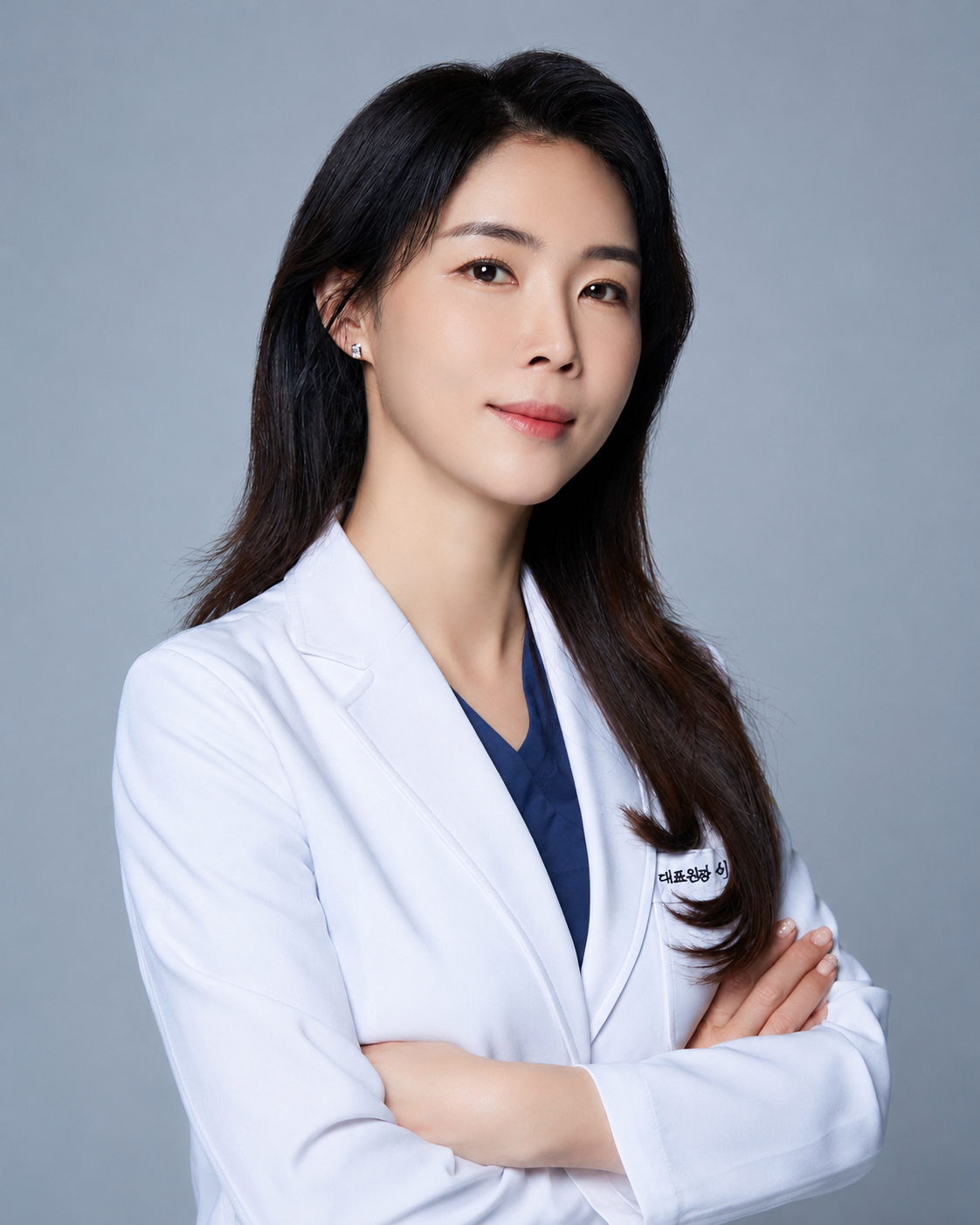
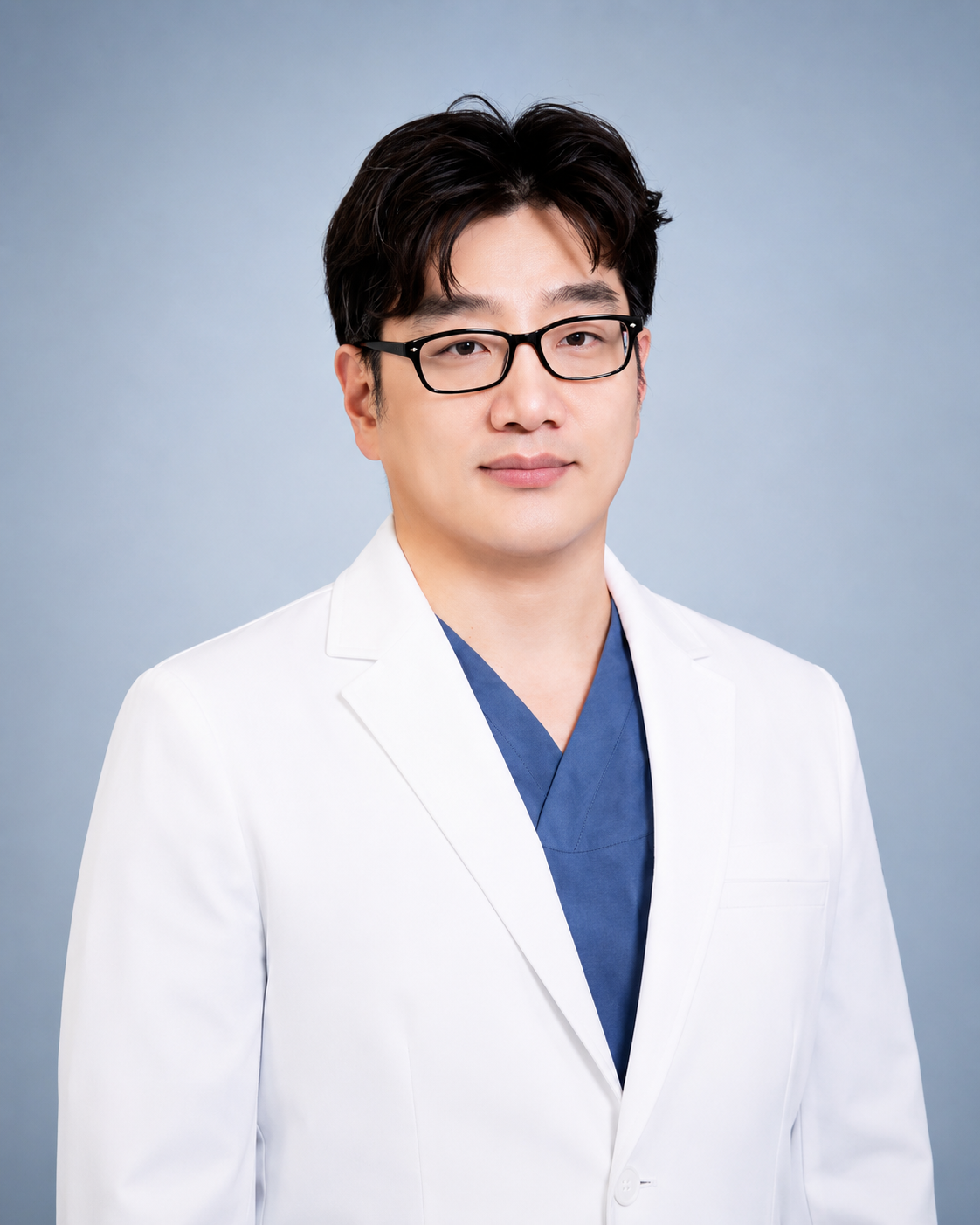
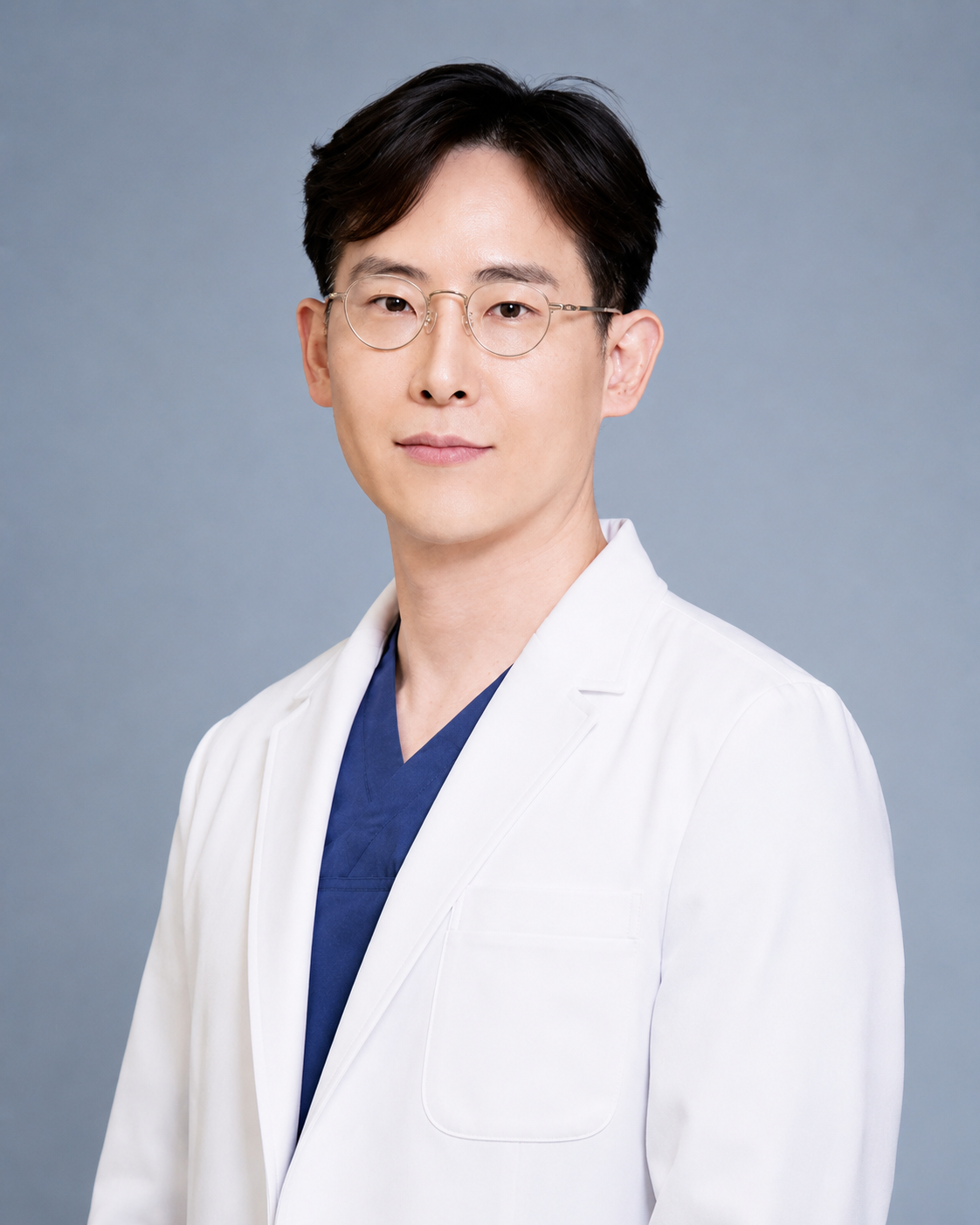
A doctor, in person, every time — never a nurse or a coordinator. JRYN Seomyeon has three doctors, and the clinic was founded by Dr. Jeong Heon Lee, who still consults here. What you actually need is decided during the consultation after your skin is examined, not from a fixed package chosen in advance.
Three doctors, one standard of care.
Every treatment plan at JRYN Seomyeon is decided and performed in person by one of our doctors — led by Dr. Jeong Heon Lee, founder of JRYN Dermatology.
From the Founder
The consultation is the treatment.
Most patients arrive asking for a specific treatment. My job is to check whether it is the right one for what they actually have. Getting that wrong is the most common mistake I correct.
Graduated from Inje University
Current Head of the JRYN Network
Current Chief Director of JRYN Seomyeon
Former Chief Director of Lin Clinic
Former Chief Director of Centum Lin Clinic
Managing Director · Seomyeon Main Branch
Dr. Yoon Jung-wook
Full Member, Korean Society of Aesthetic Plastic Surgery
Full Member, Korean Society for Aesthetic Plastic Surgery & Laser Medicine
Full Member, Korean Society of Obesity & Body Contouring
Former Neurosurgery Resident (3rd Year), Dong-A University Hospital
Former Intern, Dong-A University Hospital
Former Chief Director, Forever Plastic Surgery & Dermatology (Changwon)
Former Chief Director, Lovely Plastic Surgery & Dermatology (Changwon)
Former Director, Insta Plastic Surgery & Dermatology (Gimhae)
Former Director, Dr. Yoon Beauty Center (Vietnam)
Vice Managing Director · Seomyeon Main Branch
Dr. Jin Tae-wan
Former Director of Dermatology, MediWoman Women's Clinic
Former Director of Dermatology, Hangdo Quantum Clinic
Former Chief Director, AGE Clinic (formerly Paresa Clinic)
Former Chief Director, One Clinic (Guro)
Former Director, One Clinic (Gangnam)
Former Chief Director, SKY Plastic Surgery (Jongno)
Former Visiting Physician, Guangfu Aesthetic Plastic Surgery Hospital (Dalian, China)
Former Associate Director, Tokeshi Plastic Surgery
Former Associate Director, Midam Dermatology Clinic
Former Associate Director, Noble Line Plastic Surgery
Former Associate Director, Jeniva Plastic Surgery
Former Military Flight Surgeon, ROK Army Aviation Operations Command
Former Intern & Resident, Kangdong Sacred Heart Hospital
Before You Book
Questions patients ask first.
No. A certificate of treatment records what was done and is used mainly for insurance and employer purposes. Visa applications have their own documentary requirements set by the immigration authority, and a clinic certificate may or may not be among them depending on the category.
On their own entry, yes, exactly as they would for any trip. Accompanying-carer provisions attached to medical visas apply to treatment that genuinely requires a carer, which outpatient dermatology does not. For an ordinary trip nobody needs special status.
Receiving lawful outpatient treatment during a valid entry is unremarkable and not something that counts against you. What matters in any application is that your stated purpose and your actual activity match.
Not required for entry, but sensible. Korean medical receipts are provided for claims. Note that most policies exclude elective cosmetic treatment while covering unrelated illness or injury during the trip — read the wording rather than assuming either way.
Korea has promoted medical tourism for years and maintains a registration system for institutions treating foreign patients. Whether a particular scheme is currently operating and what it requires changes, so check the official source rather than relying on an article.
If you think you might need a medical category, months rather than weeks — applications take time and consulates vary. If you are having ordinary outpatient treatment during a normal trip, there is nothing to sort out beyond your usual entry.
We can provide treatment documentation and a realistic timeline for a course. We cannot advise on immigration, submit anything on your behalf, or predict an outcome, and we would be overstepping to try. The consulate covering your country is the correct source.
Ordinary outpatient treatment is unaffected by which visa you hold. Residents on any status are treated the same way, and Korean national health insurance does not cover elective cosmetic treatment regardless of status.
Doctor-led planning across six categories. Foreign patients pay the same as local patients — what changes a final figure is units and area, never nationality.
JRYN Seomyeon
· 4F Samjeong Tower, 672 Jungang-daero · 5 min from Seomyeon Station Exit 2 · 2 min from Seomyeon Mall Exit 16 · 6 min from Lotte Department Store Busan Main · 8 min from Jeonpo Cafe Street · inside Seomyeon Medical Street · open through lunch, seven days a week
Ready When You Are
Send your dates, get a plan before you fly.
Message us on WhatsApp with what you would like to address and when you will be in Busan. You will get an honest read in your language — including whether the treatment you have in mind is the right one.