4F, Samjeong Tower, 672 Jungang-daero, Busanjin-gu, Busan, Korea
Seasonal · Seomyeon, Busan · Foreigner-Friendly
Summer treatment in Busan Seomyeon, and what genuinely should wait.
Busan summers are hot, humid and bright, which changes what is sensible rather than what is possible. This sets out what to do now, what to move to autumn, and how visitors on a summer trip should sequence a week.
Busan summers · high UV, high humidity, indoor routes matter
On This Page
What is genuinely unaffected by summer?
What should genuinely wait for autumn?
What if I have just been in the sun?
Should I treat melasma in summer or wait?
Does humidity change anything clinically?
Why is compliance the real summer problem?
Does treating in summer waste the season entirely?
What suits a summer visit best?
How should a summer trip be sequenced?
Is autumn genuinely better?
What about winter, for comparison?
Nothing here is a blanket prohibition. Summer treatment is done every week, and the useful distinction is between treatments that are indifferent to the season and treatments where summer measurably worsens the outcome.
Does This Sound Familiar?
What patients ask about summer
Is it true you cannot have lasers in summer?
I just got back from the beach. Can I still be treated?
My melasma always gets worse in July. Should I treat it or wait?
I am visiting Busan in August. Am I wasting the trip?
Does humidity actually affect anything?
All five come up most weeks through the summer months, and the second has a firmer answer than most. The sections below take them in order.
What is genuinely unaffected by summer?
Botox
in every area, filler, energy lifting
and threads. None involves epidermal injury or pigment risk, so ambient UV is irrelevant to the outcome. The only summer consideration for these is heat immediately afterwards — no sauna, no hot yoga for twenty-four hours — which applies year-round but is easier to forget in August.
What should genuinely wait for autumn?
Fractional resurfacing
and acne scar work, both of which leave new skin that needs weeks of strict sun avoidance you are unlikely to manage in a Korean summer. High-energy pigment clearance sits in the same category. These are not unsafe in summer — they simply produce a worse result and a higher PIH risk
than the identical treatment in November.
What if I have just been in the sun?
Treatment is postponed rather than adjusted, and this is the firmest rule on the page. A laser cannot distinguish target pigment from a recent tan, so treating tanned skin means the epidermis absorbs far more energy than intended — raising burn and pigmentation risk sharply. Four weeks without significant exposure is the usual requirement. Coming to the clinic after three beach days and expecting pigment work is the most common summer disappointment.
Should I treat melasma in summer or wait?
Treat, but gently and with realistic expectations. Melasma
is driven by heat and UV as well as hormones, so summer is when it is most active and least responsive — the same low-energy protocol produces less visible progress against a stronger driver. What summer treatment does achieve is holding ground rather than losing it. The gains come in autumn and winter, which is why the course is planned across seasons rather than within one.
Does humidity change anything clinically?
It changes skin behaviour more than treatment safety. Busan summers drive oil production and congestion in patients who never had either at home, which is where microbotox
earns its place seasonally. Sweat also interferes with aftercare — occlusive balm after any resurfacing is unpleasant in August, and compliance drops accordingly. That practical point is a better reason to postpone resurfacing than any clinical one.
Sun exposure history is checked before pigment work
Why is compliance the real summer problem?
Because the clinical risk and the practical risk are different things, and the second one is larger. A resurfacing session in August is no more dangerous on the table than one in November — what changes is the four weeks afterwards, when occlusive balm is unpleasant in humidity, sunscreen sweats off by mid-morning, and a beach day you booked before treatment sits in the middle of the recovery window. Patients who report that summer treatment went badly usually followed the same protocol less consistently rather than receiving a different one.
Does treating in summer waste the season entirely?
Only for a narrow set of treatments. Roughly two-thirds of what is offered here is completely indifferent to the month — every botox
area, all eight lifting platforms, every filler
area and most boosters. What summer costs you is the pigment and resurfacing end of the range, which is a real limitation but a specific one. Framing it as "no treatment in summer" is both inaccurate and, for a visitor who cannot choose their travel month, unhelpful.
What suits a summer visit best?
Energy lifting, which is entirely season-independent and produces a result building over three months regardless of where you are. Boosters, which improve barrier resilience in skin stressed by heat. Botox
in any area. All three leave nothing visible, need no sun avoidance and fit a trip in any month. If you are in Busan in August, these are what the visit should be built around.
How should a summer trip be sequenced?
Pigment work at the start if at all, before any beach or outdoor days rather than after. Everything else can sit anywhere. If your itinerary includes Haeundae or Gwangalli, tell us — those days determine whether pigment treatment is possible at all, and knowing before you book saves a wasted appointment. See the five-day itinerary
for how the days fit together.
Is autumn genuinely better?
For pigment and resurfacing, noticeably. Lower ambient UV, less sweat, easier compliance with occlusive aftercare, and a longer runway before the next summer. Late September through March is the window we would schedule a melasma course
or a scar series
into if your travel allows the choice. For everything else the season is irrelevant.
What about winter, for comparison?
The best window for anything pigment-related, and the one where Korean residents typically schedule their courses. Cold dry air is harder on the barrier, which makes polynucleotide boosters
a common winter pairing alongside laser work. The trade-off is nothing more than dryness, which is manageable — unlike summer sun, which is not.
Our Medical Team
Who will actually treat you at JRYN Seomyeon?
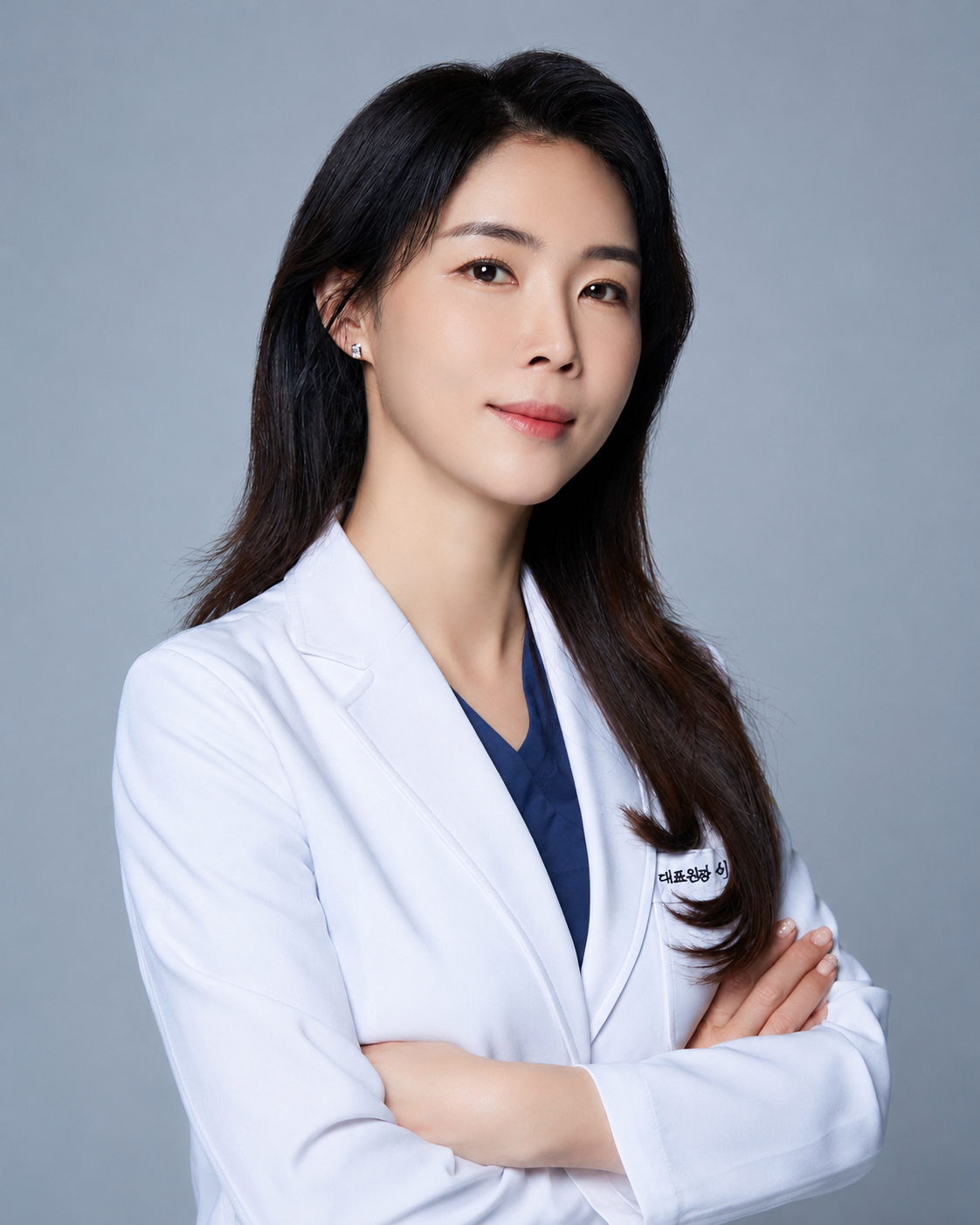
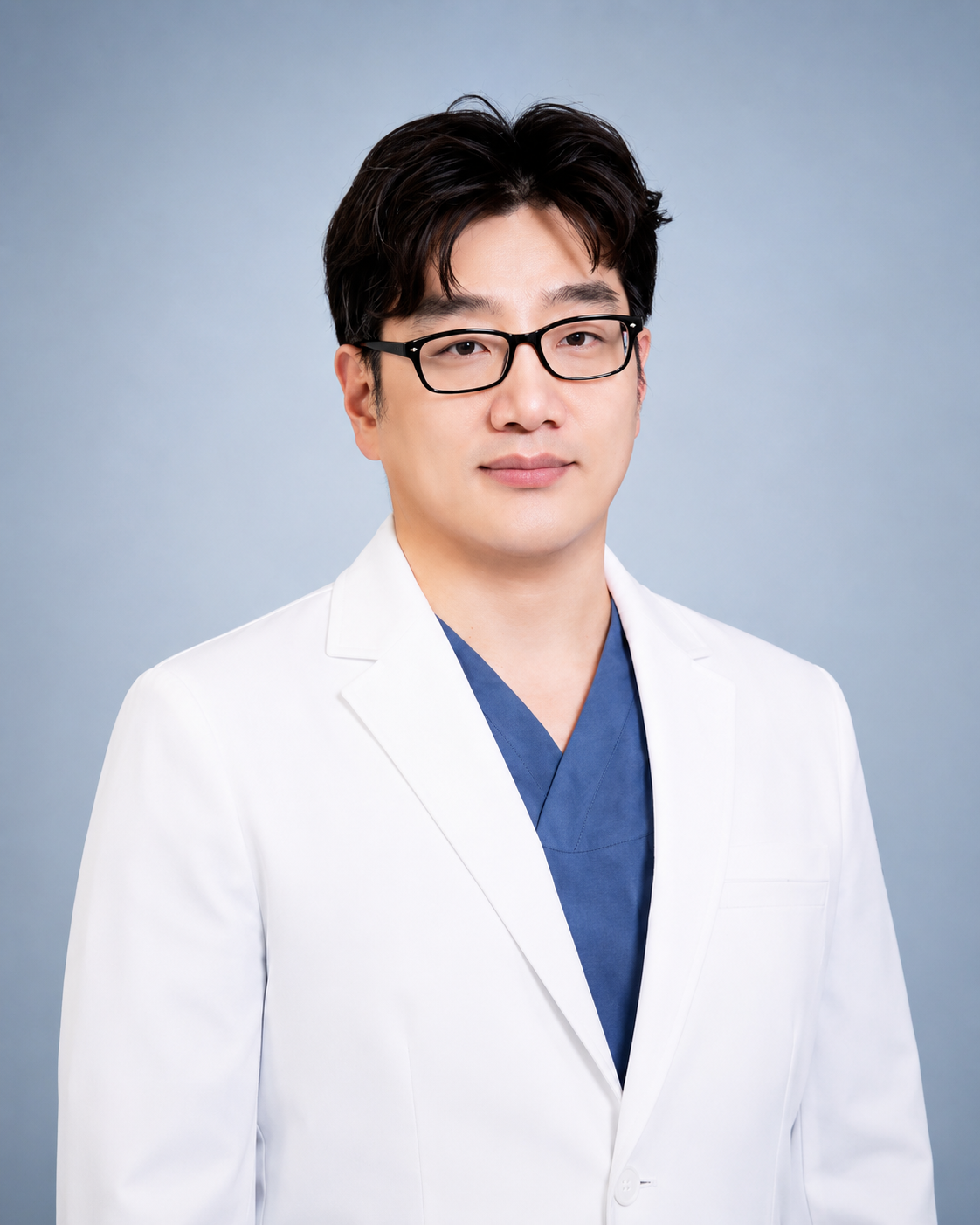
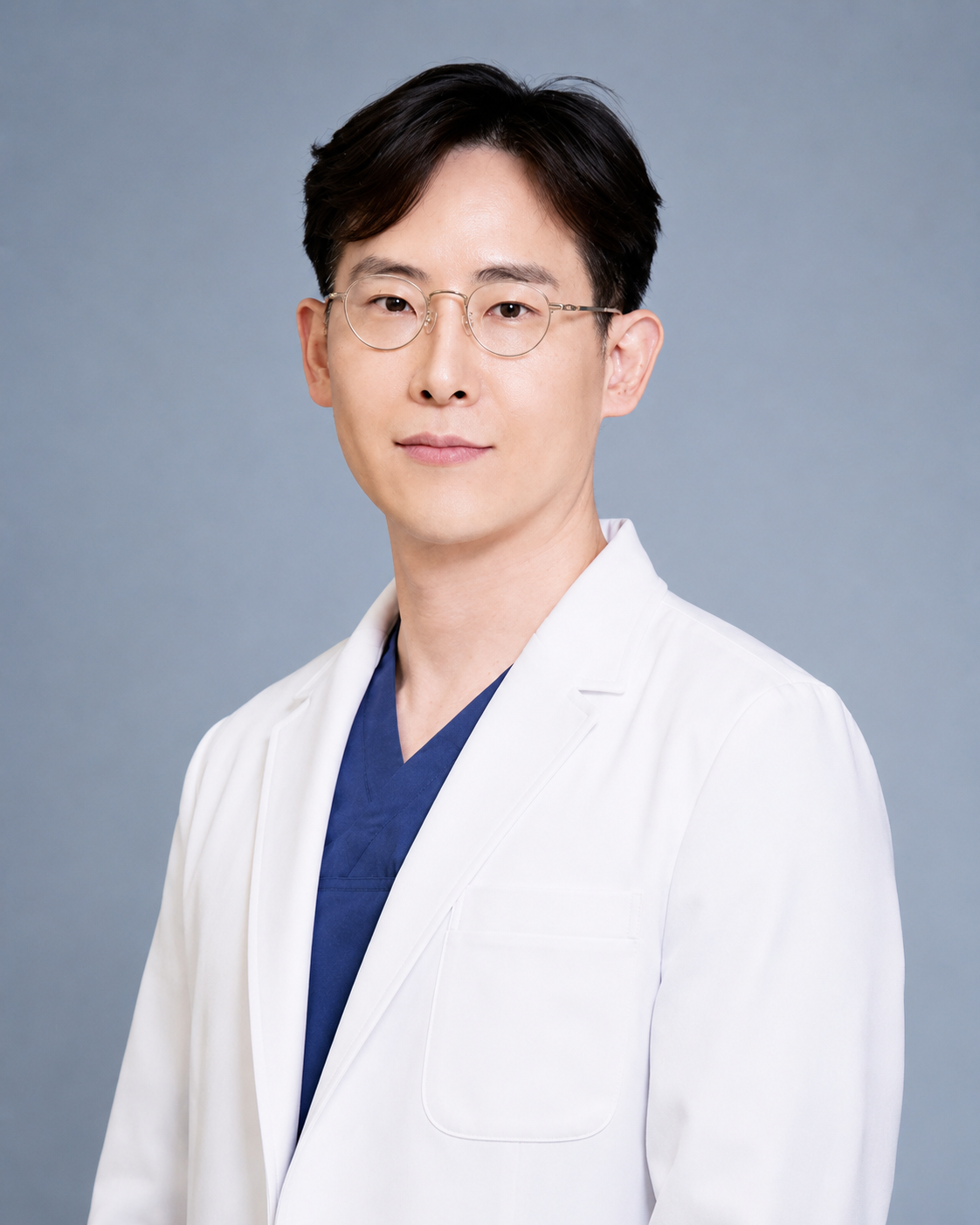
A doctor, in person, every time — never a nurse or a coordinator. JRYN Seomyeon has three doctors, and the clinic was founded by Dr. Jeong Heon Lee, who still consults here. What you actually need is decided during the consultation after your skin is examined, not from a fixed package chosen in advance.
Three doctors, one standard of care.
Every treatment plan at JRYN Seomyeon is decided and performed in person by one of our doctors — led by Dr. Jeong Heon Lee, founder of JRYN Dermatology.
From the Founder
The consultation is the treatment.
Most patients arrive asking for a specific treatment. My job is to check whether it is the right one for what they actually have. Getting that wrong is the most common mistake I correct.
Graduated from Inje University
Current Head of the JRYN Network
Current Chief Director of JRYN Seomyeon
Former Chief Director of Lin Clinic
Former Chief Director of Centum Lin Clinic
Managing Director · Seomyeon Main Branch
Dr. Yoon Jung-wook
Full Member, Korean Society of Aesthetic Plastic Surgery
Full Member, Korean Society for Aesthetic Plastic Surgery & Laser Medicine
Full Member, Korean Society of Obesity & Body Contouring
Former Neurosurgery Resident (3rd Year), Dong-A University Hospital
Former Intern, Dong-A University Hospital
Former Chief Director, Forever Plastic Surgery & Dermatology (Changwon)
Former Chief Director, Lovely Plastic Surgery & Dermatology (Changwon)
Former Director, Insta Plastic Surgery & Dermatology (Gimhae)
Former Director, Dr. Yoon Beauty Center (Vietnam)
Vice Managing Director · Seomyeon Main Branch
Dr. Jin Tae-wan
Former Director of Dermatology, MediWoman Women's Clinic
Former Director of Dermatology, Hangdo Quantum Clinic
Former Chief Director, AGE Clinic (formerly Paresa Clinic)
Former Chief Director, One Clinic (Guro)
Former Director, One Clinic (Gangnam)
Former Chief Director, SKY Plastic Surgery (Jongno)
Former Visiting Physician, Guangfu Aesthetic Plastic Surgery Hospital (Dalian, China)
Former Associate Director, Tokeshi Plastic Surgery
Former Associate Director, Midam Dermatology Clinic
Former Associate Director, Noble Line Plastic Surgery
Former Associate Director, Jeniva Plastic Surgery
Former Military Flight Surgeon, ROK Army Aviation Operations Command
Former Intern & Resident, Kangdong Sacred Heart Hospital
Before You Book
Questions patients ask first.
Yes, at low energy and provided you have not been recently tanned. Pico toning
is the treatment we continue year-round because the fluence is low enough to be safe with proper sun protection afterwards.
If the treated area is visibly darker than your usual baseline, that is enough to postpone. It is assessed at consultation rather than self-reported, since patients frequently underestimate their own exposure.
Then we build the visit around season-independent treatments rather than deferring everything. Lifting, botox
and boosters
all deliver fully in August, and a pigment course can start on a later visit.
Helps with heat-driven melasma activity, dries the skin slightly. On balance it is beneficial for pigment-prone patients through a Korean summer, and the dryness is easily managed with moisturiser.
Lighter textures and more diligent sunscreen reapplication, which matters more than the products themselves. Tinted mineral sunscreen is worth the switch if you have melasma — see sun protection.
For twenty-four hours after most treatments, yes — avoid the gym and sauna. Beyond that it affects comfort and aftercare compliance rather than safety, except after resurfacing where a compromised barrier and sweat combine badly.
Late September in Korea, once the humidity breaks. Through to March comfortably. April onwards UV rises quickly, and by June the compliance problem returns even if the treatment itself is unchanged.
Yes, and for melasma that is often the plan anyway. Summer sessions hold ground, autumn sessions make progress. The course is planned across seasons rather than compressed into whichever one you happen to be here for.
Doctor-led planning across six categories. Foreign patients pay the same as local patients — what changes a final figure is units and area, never nationality.
JRYN Seomyeon
· 4F Samjeong Tower, 672 Jungang-daero · 5 min from Seomyeon Station Exit 2 · 2 min from Seomyeon Mall Exit 16 · 6 min from Lotte Department Store Busan Main · 8 min from Jeonpo Cafe Street · inside Seomyeon Medical Street · open through lunch, seven days a week
Ready When You Are
Send your dates, get a plan before you fly.
Message us on WhatsApp with what you would like to address and when you will be in Busan. You will get an honest read in your language — including whether the treatment you have in mind is the right one.