4F, Samjeong Tower, 672 Jungang-daero, Busanjin-gu, Busan, Korea
Payment · Seomyeon, Busan · Foreigner-Friendly
Paying at a Busan Seomyeon clinic, and what to expect at the counter.
Foreign cards work, cash is rarely needed, and the receipt matters more than most patients realise. This covers the practical mechanics, including what a deposit request means and when it is worth walking away.
Should I pay for a course upfront if it is offered cheaper?
What paperwork should I leave with?
Can I pay for someone else, or split a payment?
Payment is the least discussed part of a clinic visit and the one most likely to produce an awkward surprise. Korea is a card economy and the mechanics are straightforward, but a few conventions differ enough from home to be worth knowing.
Does This Sound Familiar?
What visitors ask about paying
Will my foreign card actually work?
Should I bring cash in won just in case?
They asked for a deposit. Is that normal?
Can I get a receipt my insurer will accept?
Do I pay before or after the treatment?
All five come up most weeks. The third is the one where the answer depends on context rather than being a flat yes or no.
Do foreign cards work in Korean clinics?
Generally yes. Visa, Mastercard, JCB and AMEX issued abroad are accepted here and at most clinics serving foreign patients. The occasional failure is usually the card issuer rather than the terminal — an overseas medical transaction can trigger a fraud block, particularly for a large amount. Telling your bank you will be in Korea beforehand removes most of that risk, and having a second card avoids the rest.
Do I need cash in Korean won?
Rarely, though a modest amount is sensible insurance. Korea runs almost entirely on cards and transfers, and clinics are no exception. Where cash still helps is the occasional terminal that refuses an overseas card, and for taxis and small purchases around the trip. Withdrawing at an ATM in Korea is straightforward with most international cards.
Do I pay before or after treatment?
After, here and at most reputable clinics. Payment before treatment is a structure that makes it harder to change your mind once the assessment is complete, which is exactly the wrong incentive. Consultation is free and there is no deposit, so a visit that ends without treatment costs nothing — see same-day treatment
for how the sequence works.
Is a deposit request a warning sign?
It depends what it is for. A deposit to reserve a specific slot on a busy day is a normal commercial arrangement, particularly for surgical bookings. A deposit taken before a consultation, or a large prepayment for a course you have not yet started, is a different thing — it converts your decision into a sunk cost before you have the information to make it. Nothing here requires a deposit; where a clinic does, ask specifically what it secures and whether it is refundable.
What does a Korean medical receipt include?
The clinic details, the date, the treatment description and the amount, issued in a form Korean insurers and tax authorities recognise. On request we also provide an itemised version in English recording product, dose and treated area — which is what an overseas insurer or a doctor continuing your care actually needs. Ask at the counter rather than afterwards; reissuing later is possible but slower.
Receipts are issued in a form insurers accept
Will my insurance reimburse anything?
For elective cosmetic treatment, almost certainly not, in Korea or at home. Korean national health insurance does not cover it regardless of your visa status, and most private and travel policies exclude it explicitly while covering unrelated illness or injury during the trip. Where a treatment is medically indicated rather than cosmetic — a lesion needing assessment, for instance — the documentation reflects that and a claim becomes possible.
Is there a VAT refund on medical treatment?
No. Korea has ended the VAT refund scheme on cosmetic medical treatment, and the figure you agree includes everything. Older articles and some clinic pages still describe the scheme as active, so check the date on anything you read — this is one of the more common pieces of outdated information circulating about Korean medical travel.
What should the final figure look like?
Identical to what was agreed before treatment began. Units and price are confirmed in writing beforehand, and if a treatment turns out to need more than first estimated you are told before it proceeds rather than discovering it at the counter. Line items appearing afterwards — a facility fee, an injection fee, a mandatory aftercare package — are worth querying rather than paying quietly. See what foreign patients actually pay.
Should I pay for a course upfront if it is offered cheaper?
Only once you know the course is right, which usually means after the first session rather than before it. Discounted prepayment is a legitimate commercial offer and also the most effective way to remove your ability to change course — if session two reveals that your skin responds differently than expected, you are committed to eight more of something. For genuinely multi-session treatments like melasma toning
the plan is set out at the start here, but payment follows each session rather than preceding the series.
What paperwork should I leave with?
A receipt, and treatment notes if you want them. The notes record product, lot number, dose and treated area, which matters in three situations: if you have a reaction and another doctor needs to know what was used, if you want the same result repeated and need the same numbers, and if you are comparing what you were charged against what you received. Ask before you leave rather than emailing later.
Can I pay for someone else, or split a payment?
Both are straightforward. Couples and families travelling together frequently pay on one card, and splitting across two cards is possible if a single transaction limit is the issue — which occasionally happens with foreign cards on larger device treatments like Thermage
or Aptos threads. Mention it before treatment rather than at the counter and it is arranged in advance.
Our Medical Team
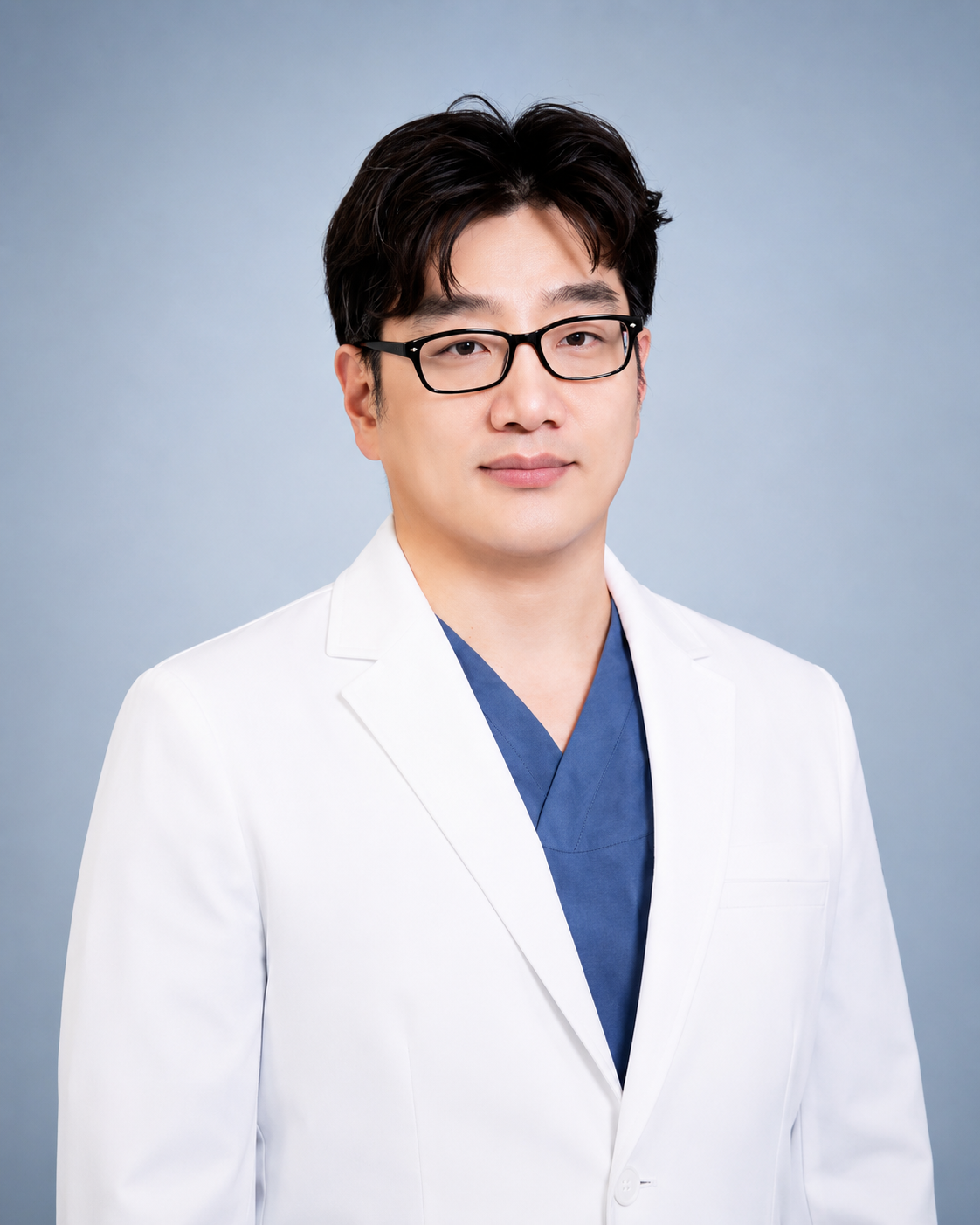
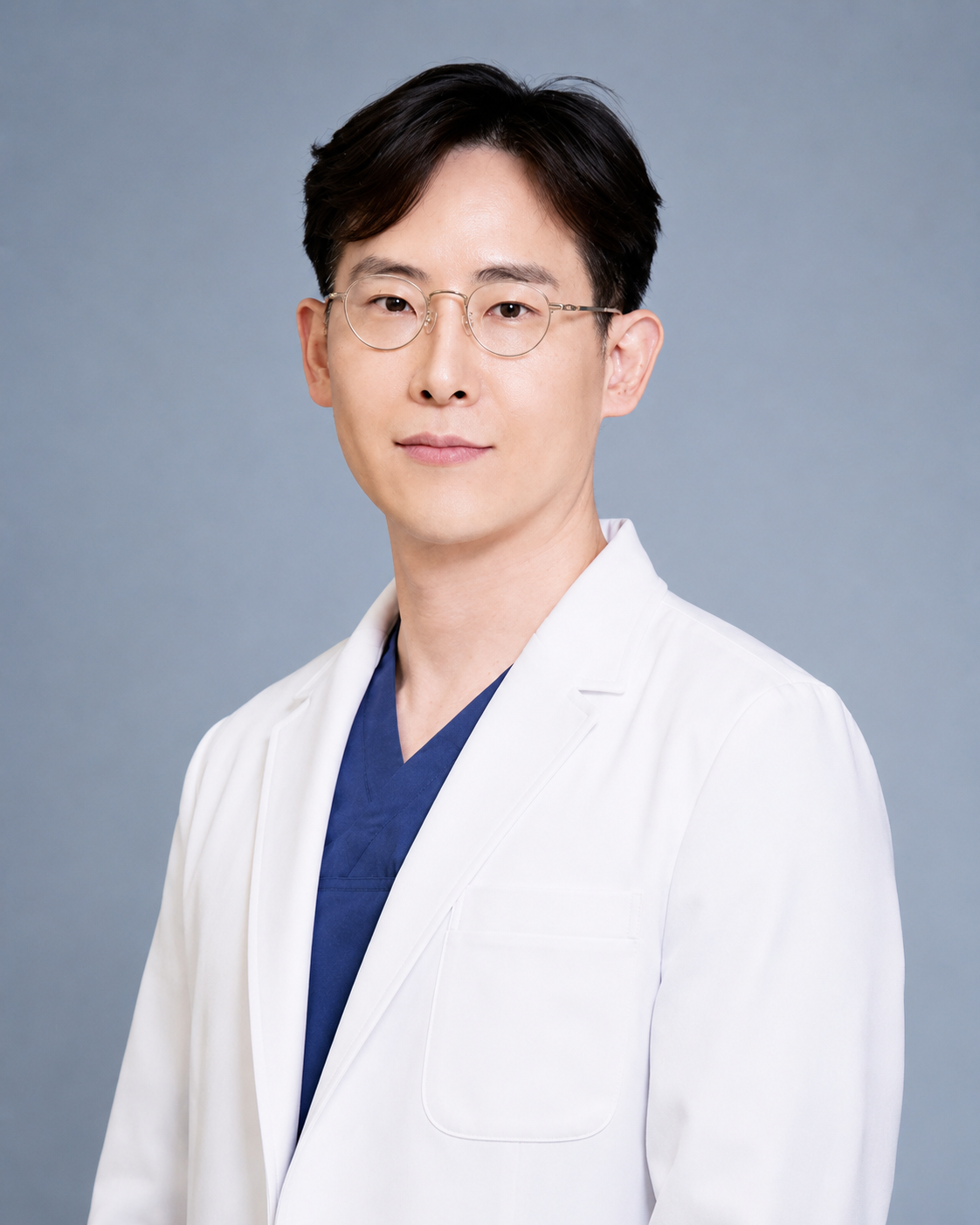
Who will actually treat you at JRYN Seomyeon?
A doctor, in person, every time — never a nurse or a coordinator. JRYN Seomyeon has three doctors, and the clinic was founded by Dr. Jeong Heon Lee, who still consults here. What you actually need is decided during the consultation after your skin is examined, not from a fixed package chosen in advance.
Three doctors, one standard of care.
Every treatment plan at JRYN Seomyeon is decided and performed in person by one of our doctors — led by Dr. Jeong Heon Lee, founder of JRYN Dermatology.
From the Founder
The consultation is the treatment.
Most patients arrive asking for a specific treatment. My job is to check whether it is the right one for what they actually have. Getting that wrong is the most common mistake I correct.
Graduated from Inje University
Current Head of the JRYN Network
Current Chief Director of JRYN Seomyeon
Former Chief Director of Lin Clinic
Former Chief Director of Centum Lin Clinic
Managing Director · Seomyeon Main Branch
Dr. Yoon Jung-wook
Full Member, Korean Society of Aesthetic Plastic Surgery
Full Member, Korean Society for Aesthetic Plastic Surgery & Laser Medicine
Full Member, Korean Society of Obesity & Body Contouring
Former Neurosurgery Resident (3rd Year), Dong-A University Hospital
Former Intern, Dong-A University Hospital
Former Chief Director, Forever Plastic Surgery & Dermatology (Changwon)
Former Chief Director, Lovely Plastic Surgery & Dermatology (Changwon)
Former Director, Insta Plastic Surgery & Dermatology (Gimhae)
Former Director, Dr. Yoon Beauty Center (Vietnam)
Vice Managing Director · Seomyeon Main Branch
Dr. Jin Tae-wan
Former Director of Dermatology, MediWoman Women's Clinic
Former Director of Dermatology, Hangdo Quantum Clinic
Former Chief Director, AGE Clinic (formerly Paresa Clinic)
Former Chief Director, One Clinic (Guro)
Former Director, One Clinic (Gangnam)
Former Chief Director, SKY Plastic Surgery (Jongno)
Former Visiting Physician, Guangfu Aesthetic Plastic Surgery Hospital (Dalian, China)
Former Associate Director, Tokeshi Plastic Surgery
Former Associate Director, Midam Dermatology Clinic
Former Associate Director, Noble Line Plastic Surgery
Former Associate Director, Jeniva Plastic Surgery
Former Military Flight Surgeon, ROK Army Aviation Operations Command
Former Intern & Resident, Kangdong Sacred Heart Hospital
Before You Book
Questions patients ask first.
No, and it is not part of Korean service culture in any setting including medical. Attempting it creates awkwardness rather than goodwill. The agreed figure is the total.
Domestic transfer is possible for residents. For visitors it is rarely practical, since international transfers take days and carry fees that exceed any benefit. Cards are simpler in almost every case.
Usually an issuer fraud block rather than a terminal problem, particularly on a first overseas medical transaction. A second card resolves it in most cases, and calling your bank from the clinic works too. Cash is the fallback.
Whatever your own card applies. Where a terminal offers to charge you in your home currency rather than won, decline — dynamic currency conversion consistently gives a worse rate than your bank would. Always choose to be charged in Korean won.
We quote in won because that is what you pay, and conversion rates move. For planning, convert the published figures
yourself at the current rate rather than relying on a converted number in an article that may be months old.
No. Consultation is free and topical numbing is included where a treatment requires it. There is no facility fee, injection fee or mandatory aftercare package here — if those appear elsewhere, ask what they cover before agreeing.
Payment is taken after treatment, so this rarely arises. Where a course has been paid in advance elsewhere, refund terms vary by clinic and are worth reading before committing — that is one reason we do not structure treatment that way.
Yes. A treatment certificate recording what was done and when is provided on request, in English. This is more commonly needed for time-off records than for reimbursement.
Doctor-led planning across six categories. Foreign patients pay the same as local patients — what changes a final figure is units and area, never nationality.
JRYN Seomyeon
· 4F Samjeong Tower, 672 Jungang-daero · 5 min from Seomyeon Station Exit 2 · 2 min from Seomyeon Mall Exit 16 · 6 min from Lotte Department Store Busan Main · 8 min from Jeonpo Cafe Street · inside Seomyeon Medical Street · open through lunch, seven days a week
Ready When You Are
Send your dates, get a plan before you fly.
Message us on WhatsApp with what you would like to address and when you will be in Busan. You will get an honest read in your language — including whether the treatment you have in mind is the right one.