4F, Samjeong Tower, 672 Jungang-daero, Busanjin-gu, Busan, Korea
Adult Acne · Seomyeon, Busan · Foreigner-Friendly
Adult acne in Busan Seomyeon, and why it arrived now.
Acne that starts or returns in your thirties behaves differently from teenage acne — different location, different triggers, different treatment order. This explains why, and what to address first when scarring is already present.
Why is it deeper and more painful than teenage acne?
Why does what worked at seventeen fail now?
What treats active adult acne here?
What should be treated first — scars or spots?
What about the marks left behind?
What does a first consultation for this actually cover?
What does a realistic twelve months look like?
Does diet or skincare cause it?
How long does control take?
Being told acne is a teenage problem while having it at thirty-four is a common and unhelpful experience. Adult acne is a distinct pattern with its own drivers, and the treatment sequence differs from what worked or did not work fifteen years ago.
Does This Sound Familiar?
What patients say about adult acne
I never had acne as a teenager. Why now?
It is always along my jaw and chin, never anywhere else.
It flares in the same week every month.
I have scarring from old breakouts and new spots at the same time.
Everything that worked at seventeen makes it worse now.
All five come up most weeks, and the second and third are connected in a way worth understanding. The sections below take them in order.
Why does acne appear in adulthood?
Hormonal fluctuation is the most common driver, and it operates differently from adolescence. Rather than a general surge in androgens, adult acne usually reflects sensitivity of the sebaceous glands to normal hormone levels, often shifting across the menstrual cycle. Stress, sleep and cortisol contribute measurably. Climate matters more than people expect — patients moving to a humid Busan summer frequently develop congestion they never had at home.
Why the jawline and chin?
Because that region carries a higher density of androgen-sensitive sebaceous glands. The distribution is characteristic enough to be diagnostically useful: acne concentrated along the jaw, chin and lower cheeks, appearing as deeper tender lesions rather than surface whiteheads, points to a hormonal pattern rather than a purely surface one. Teenage acne clusters on the forehead and mid-face by comparison.
Why is it deeper and more painful than teenage acne?
Because adult lesions form lower in the follicle and inflammation sits in the dermis rather than at the surface. That depth is also why they scar more readily and why squeezing produces worse damage than it did at seventeen. It is the reason adult acne needs treating as an inflammatory problem rather than a cleanliness one — a distinction that changes almost every recommendation.
Why does what worked at seventeen fail now?
Because adult skin is drier and the barrier is less resilient. Aggressive drying agents, high-strength salicylic washes and alcohol toners strip a barrier that no longer recovers overnight, which triggers compensatory oil production and irritation on top of the acne. Patients frequently arrive with skin that is simultaneously breaking out and visibly damaged from treating it. The first step is often removing products rather than adding them.
What treats active adult acne here?
Microbotox
reduces sebaceous output directly and suits the oily-and-congested presentation particularly well. Low-energy vascular laser
addresses the inflammation and the redness around lesions. Where acne is severe or scarring rapidly, systemic treatment is the appropriate route and we will say so — a laser is not the answer to nodular acne, and treating it as one costs time the skin does not have.
The jawline pattern is characteristic and worth recognising
What should be treated first — scars or spots?
Active acne, always. Treating scars while breakouts continue means treating a moving target, and resurfacing inflamed skin carries a much higher pigmentation risk, particularly on higher Fitzpatrick types. The usual sequence is three to six months of control first, then a scar course
once the skin has been quiet. Clinics that start scar work over active acne are working to a booking rather than to the skin.
What about the marks left behind?
Most are not scars. Brown marks are post-inflammatory hyperpigmentation and respond to low-energy toning
over a course. Red or purple marks are dilated vessels and need vascular laser
instead — a different tool for a different problem. Genuine scars are textural: indentations you can feel, which need resurfacing. Sorting these three takes a minute and determines whether treatment works.
What does a first consultation for this actually cover?
More history than most patients expect. What you are currently using and for how long, since removing an aggravating product is often the first intervention. Whether the pattern follows a cycle. Any recent change in contraception, stress or climate. And a physical assessment separating active lesions from marks, and marks from genuine textural scarring. That last distinction determines the entire plan, and it is the one patients most often have wrong when they arrive — the majority of what people call scarring turns out to be pigment that will clear.
What does a realistic twelve months look like?
Roughly three phases. Two to three months bringing active acne under control, with oil-control treatment
and a simplified routine. Two to three months clearing marks, using toning or vascular laser
depending on whether they are brown or red. Then a scar course if genuine texture remains, at four to six sessions across the remaining months — ideally landing in the cooler part of the year. Compressing this is the most common way patients end up disappointed, since each phase depends on the one before it.
Does diet or skincare cause it?
Contributes rather than causes, and the honest answer is less satisfying than most articles suggest. High-glycaemic diets and dairy have modest associations in the literature. Comedogenic products matter for some patients. Neither explains why one person develops adult acne and another with identical habits does not — that is largely hormonal sensitivity, which is not a lifestyle failure and is worth saying plainly.
How long does control take?
Two to three months before a stable pattern emerges, which is longer than patients want and shorter than they fear. Sebum output responds within weeks to microbotox; inflammation settles over a similar period. What takes longer is the confidence that it will stay settled, which is the point at which scar work becomes reasonable — see why some treatments need a course.
Our Medical Team
Who will actually treat you at JRYN Seomyeon?
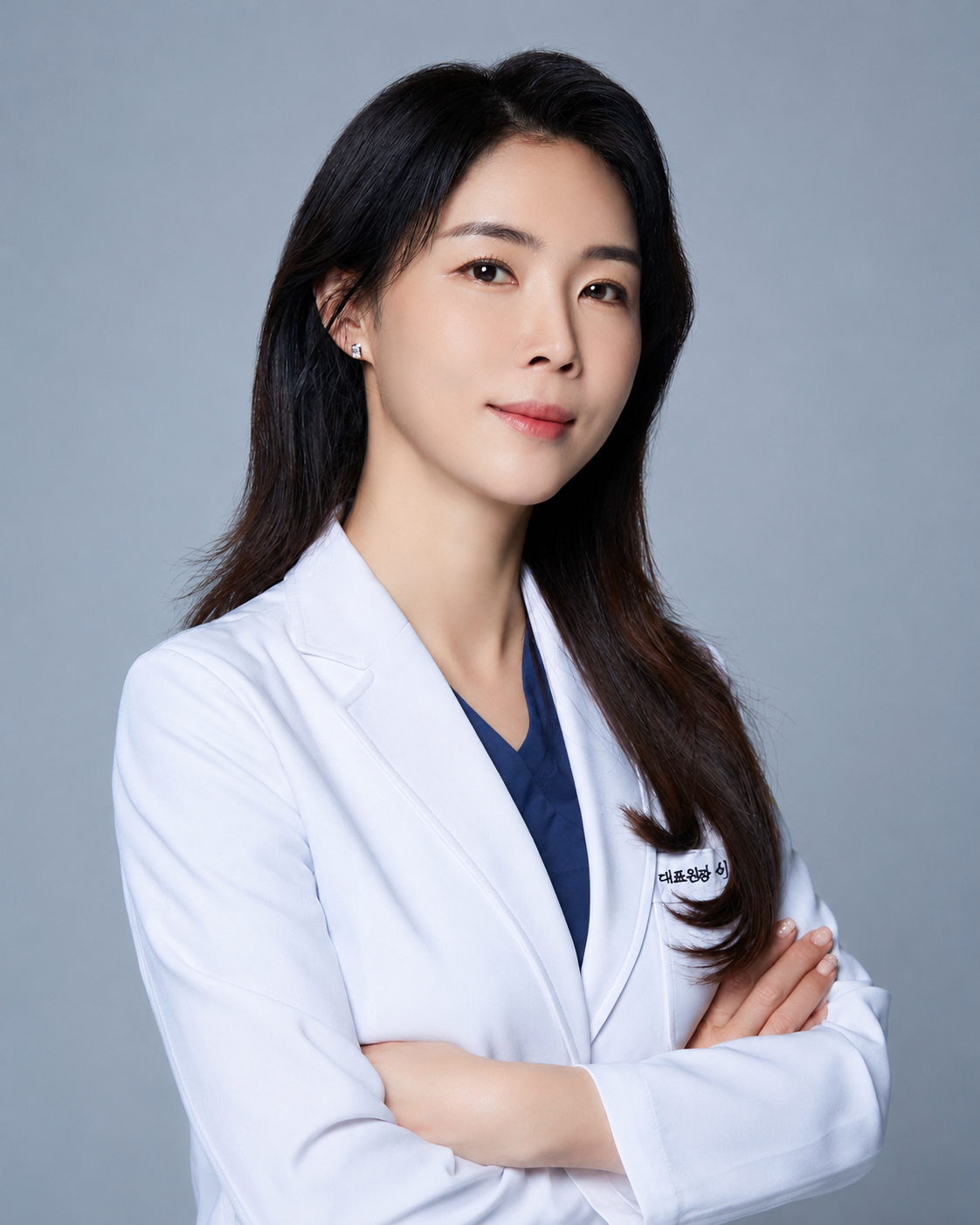
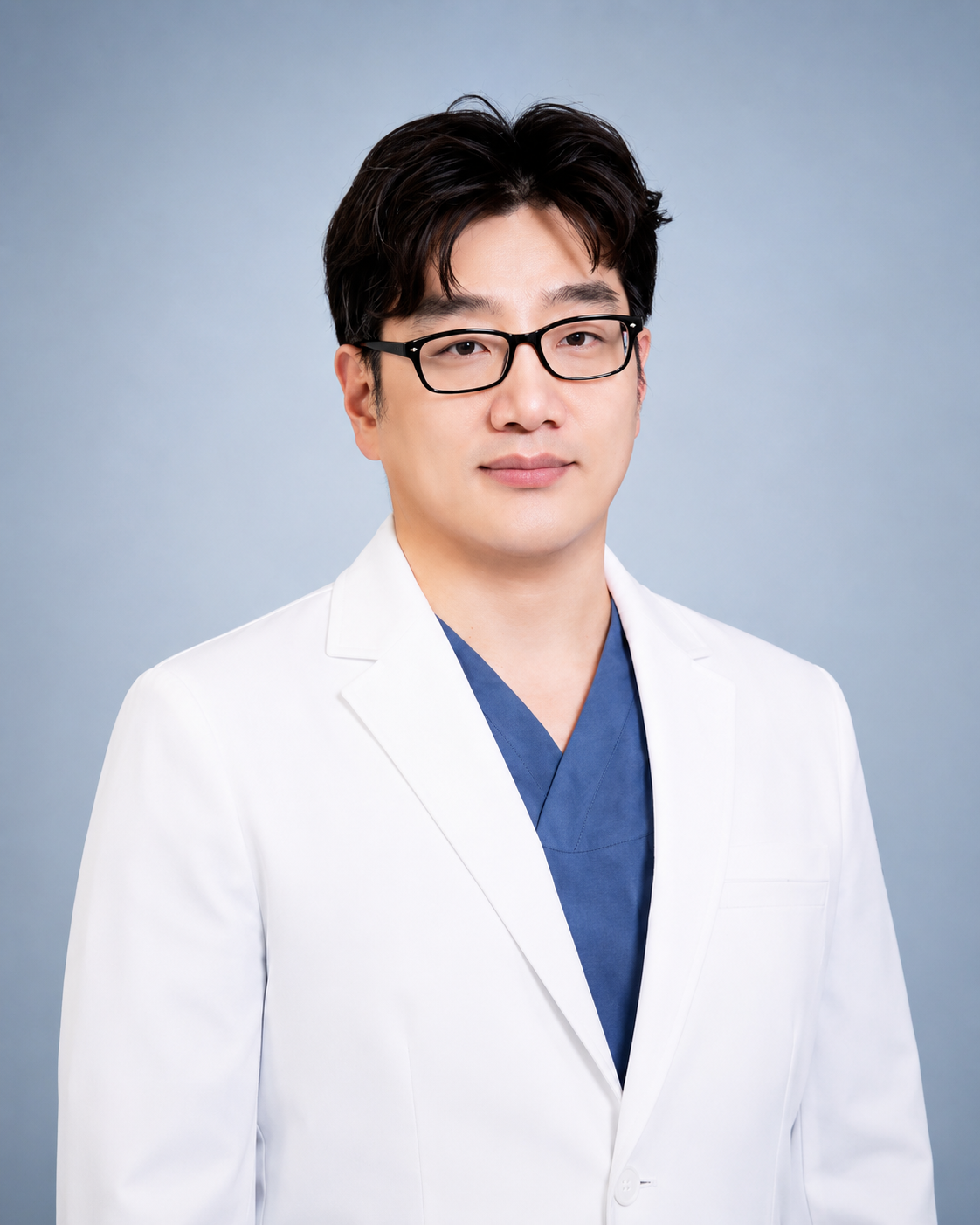
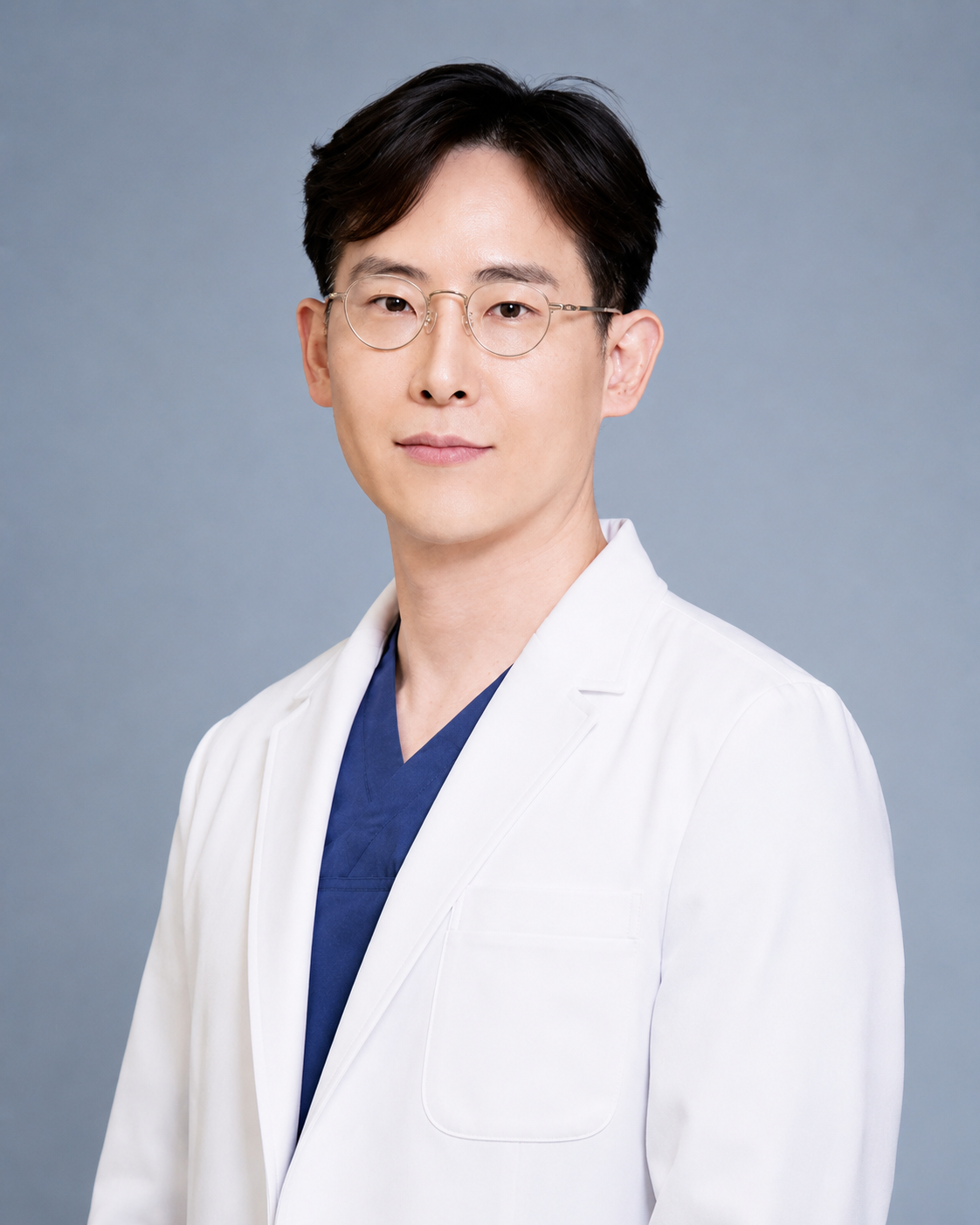
A doctor, in person, every time — never a nurse or a coordinator. JRYN Seomyeon has three doctors, and the clinic was founded by Dr. Jeong Heon Lee, who still consults here. What you actually need is decided during the consultation after your skin is examined, not from a fixed package chosen in advance.
Three doctors, one standard of care.
Every treatment plan at JRYN Seomyeon is decided and performed in person by one of our doctors — led by Dr. Jeong Heon Lee, founder of JRYN Dermatology.
From the Founder
The consultation is the treatment.
Most patients arrive asking for a specific treatment. My job is to check whether it is the right one for what they actually have. Getting that wrong is the most common mistake I correct.
Graduated from Inje University
Current Head of the JRYN Network
Current Chief Director of JRYN Seomyeon
Former Chief Director of Lin Clinic
Former Chief Director of Centum Lin Clinic
Managing Director · Seomyeon Main Branch
Dr. Yoon Jung-wook
Full Member, Korean Society of Aesthetic Plastic Surgery
Full Member, Korean Society for Aesthetic Plastic Surgery & Laser Medicine
Full Member, Korean Society of Obesity & Body Contouring
Former Neurosurgery Resident (3rd Year), Dong-A University Hospital
Former Intern, Dong-A University Hospital
Former Chief Director, Forever Plastic Surgery & Dermatology (Changwon)
Former Chief Director, Lovely Plastic Surgery & Dermatology (Changwon)
Former Director, Insta Plastic Surgery & Dermatology (Gimhae)
Former Director, Dr. Yoon Beauty Center (Vietnam)
Vice Managing Director · Seomyeon Main Branch
Dr. Jin Tae-wan
Former Director of Dermatology, MediWoman Women's Clinic
Former Director of Dermatology, Hangdo Quantum Clinic
Former Chief Director, AGE Clinic (formerly Paresa Clinic)
Former Chief Director, One Clinic (Guro)
Former Director, One Clinic (Gangnam)
Former Chief Director, SKY Plastic Surgery (Jongno)
Former Visiting Physician, Guangfu Aesthetic Plastic Surgery Hospital (Dalian, China)
Former Associate Director, Tokeshi Plastic Surgery
Former Associate Director, Midam Dermatology Clinic
Former Associate Director, Noble Line Plastic Surgery
Former Associate Director, Jeniva Plastic Surgery
Former Military Flight Surgeon, ROK Army Aviation Operations Command
Former Intern & Resident, Kangdong Sacred Heart Hospital
Before You Book
Questions patients ask first.
Frequently, though the cyclical pattern is absent. Male adult acne more often relates to stress, sleep and sebum output, and responds well to the same oil-control approach — see skin treatments for men.
Sometimes, over years. Waiting has a cost though, since adult lesions scar more readily than teenage ones and each untreated month adds marks that need their own course later.
Gentle extraction of surface comedones by a trained hand is reasonable. Aggressive extraction of deeper inflammatory lesions makes scarring worse and is the single most common way patients damage their own skin.
It can, and the flare often appears three to six months after stopping. Where that is the trigger, it frequently settles over a year — worth factoring into whether to start a scar course now or later.
Yes, prescribed and monitored. It also requires a documented gap before any laser or resurfacing treatment, which changes the sequence considerably — tell us if you have taken it recently.
Common and awkward, since the treatments pull in opposite directions. Inflammation worsens melasma and aggressive pigment work worsens acne. The plan runs both gently and slowly rather than treating either aggressively.
For many patients yes. Heat raises sebum output and humidity keeps it on the surface. It is a genuine seasonal pattern rather than perception — see summer: what to postpone.
If lesions are deep and tender, if they leave marks lasting months, or if six weeks of gentle care has changed nothing. Any of those is worth a consultation rather than another product.
Doctor-led planning across six categories. Foreign patients pay the same as local patients — what changes a final figure is units and area, never nationality.
JRYN Seomyeon
· 4F Samjeong Tower, 672 Jungang-daero · 5 min from Seomyeon Station Exit 2 · 2 min from Seomyeon Mall Exit 16 · 6 min from Lotte Department Store Busan Main · 8 min from Jeonpo Cafe Street · inside Seomyeon Medical Street · open through lunch, seven days a week
Ready When You Are
Send your dates, get a plan before you fly.
Message us on WhatsApp with what you would like to address and when you will be in Busan. You will get an honest read in your language — including whether the treatment you have in mind is the right one.