Dull skin in Busan Seomyeon, and what glass skin is actually made of.
The look people describe as glass skin is a light-reflection property, produced by surface smoothness, hydration and dermal density. Three treatable things, and a lot of marketing built on top of them.
Glass skin is the most searched Korean beauty term and the least defined. What it describes is real and partly achievable — and understanding which parts are skin, which are makeup, and which are photography saves a great deal of money.
Does This Sound Familiar?
What patients say about dullness
My skin looks flat and grey, especially by the afternoon.
I want that glass skin look people post about.
I have no specific problem, it just does not look healthy.
Nothing topical has made any difference.
Is it something I can actually treat or is it just filters?
All five come up most weeks, and the last one is a fair question that deserves a direct answer. The sections below give it.
What is glass skin, physically?
Specular reflection — light bouncing off a smooth surface in a coherent direction rather than scattering in all directions. Three properties produce it: a smooth surface with even texture, adequate hydration in the outer layers so the surface is not micro-rough, and dermal density so light penetrates and returns rather than being absorbed by disorganised tissue. All three are modifiable, which is why the look is partly achievable.
What makes skin look dull?
The inverse of each. Accumulated dead cells and uneven texture scatter light. Dehydration makes the surface micro-rough. Reduced dermal density from age, sun damage or barrier disruption absorbs light rather than returning it. Uneven pigment adds a fourth component — patchy tone reads as dull even when the surface is smooth. Most patients have two or three of these together.
What treats the surface?
Pico toning
for tone evenness and surface refinement, which is the treatment with the most reliable brightening effect across a course. Gentle exfoliation between sessions. Fractional resurfacing
where texture is genuinely irregular rather than merely dull — that is a bigger intervention and needs a clear textural reason.
What treats hydration?
Water glow
and Skinvive, both of which place hyaluronic acid into the dermis rather than onto it. The difference from topical hydration is real — a serum sits on the surface for hours, an injected booster
holds water in the tissue for weeks to months. This is the treatment closest to what people mean by glass skin, and the effect is temporary by design.
What treats dermal density?
Polynucleotide boosters, which improve density and elasticity over a three-to-four session course, and PDLLA
where a longer collagen response is wanted. Energy lifting
also contributes, since collagen stimulation improves how light returns from the dermis. This is the slowest component to change and the one that lasts longest.
Base makeup does part of what people attribute to skin
In what order?
Hydration first if you want visible change quickly, since water glow
shows within a week. Density next, over a course of two to three months. Surface work alongside or after, since toning is cumulative. Patients wanting one treatment before an event should choose hydration; patients wanting a durable change should start with density — see timing around an event.
Why does it look worse by the afternoon?
Because two things drift over the day. Surface hydration falls, particularly in air-conditioned offices and in a Korean winter, so the outer layers roughen slightly and scatter more light. And sebum accumulates unevenly — enough to look shiny in some areas and nothing in others, which reads as patchy rather than luminous. That combination is why the same face photographs well at nine and poorly at four. Injected hydration addresses the first; microbotox
addresses the second, which is why the two are frequently paired for this specific complaint.
What would a realistic plan look like?
For most patients, a density course
of three to four sessions to build the foundation, toning
alongside it for tone evenness, and hydration
as the maintenance step every couple of months afterwards. That runs across three to four months and produces a change that holds rather than one that fades in a fortnight. Patients wanting a single visible result before a date should do hydration alone and know it is temporary — both are legitimate, and confusing one for the other is where disappointment comes from.
How much of the look is makeup?
A meaningful proportion, and saying so is not a criticism of anyone. Korean base makeup is specifically engineered for this effect — light-reflecting cushion formulas, dewy finishes and strategic highlighting produce much of what appears in photographs. Skin treatment improves the canvas; it does not replicate a finish designed to reflect light. Expecting bare skin to match a made-up photograph is the most common source of disappointment here.
How much is photography?
More than most people account for. Ring lighting produces even illumination that removes shadow from every pore and fine line, and smoothing filters are now applied by default on many phone cameras without the user selecting them. Comparing your bathroom mirror to a ring-lit filtered photograph is comparing two different measurements. Judging treatment results requires consistent lighting, which is why clinic photographs are taken under fixed conditions.
What is realistically achievable?
Skin that looks well-rested, reflects light evenly and photographs better in ordinary lighting. What is not achievable is the poreless uniformity of a filtered image, which does not exist on any face. That distinction is worth making at the start rather than after a course — the achievable version is genuinely worth having, and it is a different thing from what is being sold in the phrase.
Our Medical Team
Who will actually treat you at JRYN Seomyeon?
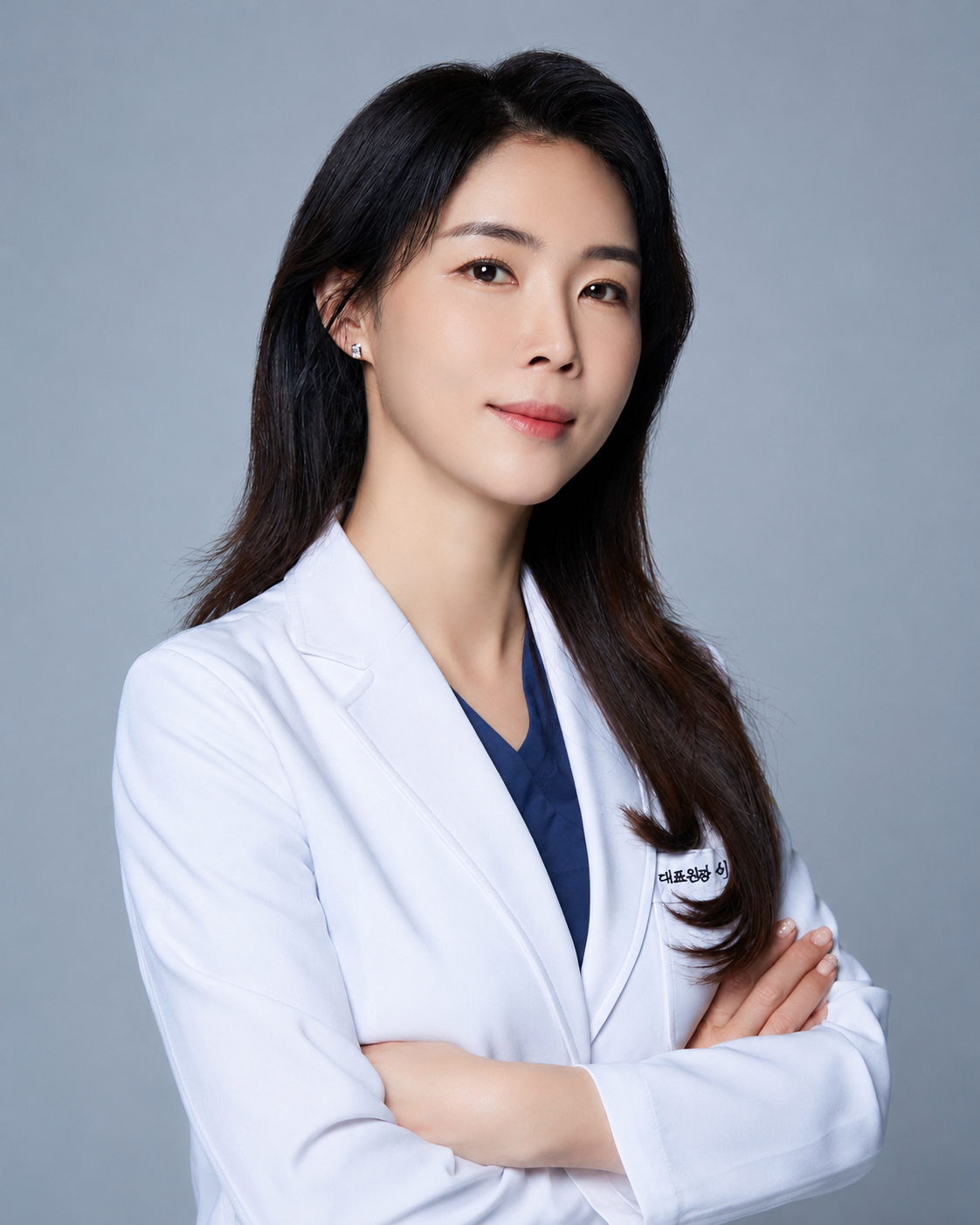
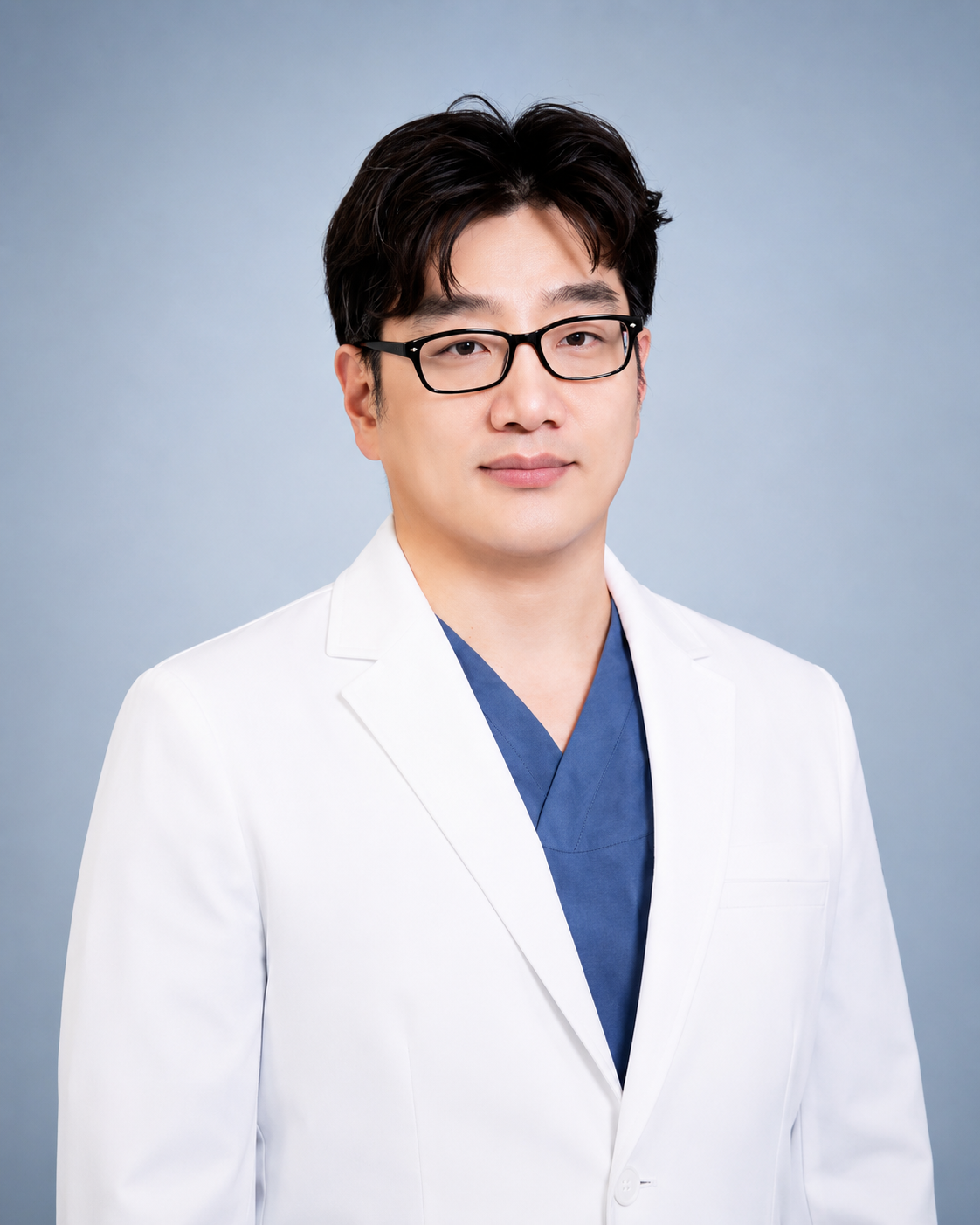
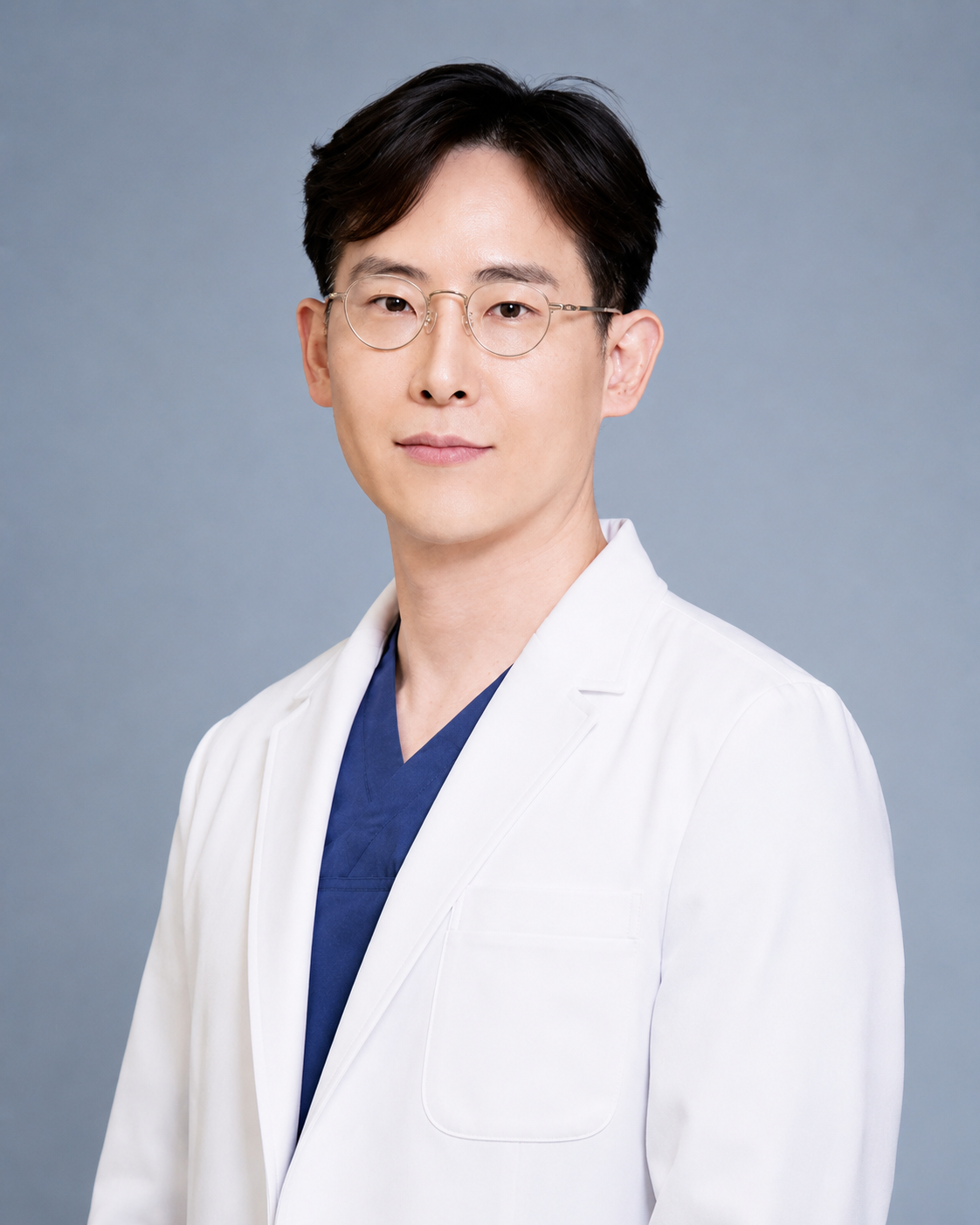
A doctor, in person, every time — never a nurse or a coordinator. JRYN Seomyeon has three doctors, and the clinic was founded by Dr. Jeong Heon Lee, who still consults here. What you actually need is decided during the consultation after your skin is examined, not from a fixed package chosen in advance.
Three doctors, one standard of care.
Every treatment plan at JRYN Seomyeon is decided and performed in person by one of our doctors — led by Dr. Jeong Heon Lee, founder of JRYN Dermatology.
From the Founder
The consultation is the treatment.
Most patients arrive asking for a specific treatment. My job is to check whether it is the right one for what they actually have. Getting that wrong is the most common mistake I correct.
Graduated from Inje University
Current Head of the JRYN Network
Current Chief Director of JRYN Seomyeon
Former Chief Director of Lin Clinic
Former Chief Director of Centum Lin Clinic
Managing Director · Seomyeon Main Branch
Dr. Yoon Jung-wook
Full Member, Korean Society of Aesthetic Plastic Surgery
Full Member, Korean Society for Aesthetic Plastic Surgery & Laser Medicine
Full Member, Korean Society of Obesity & Body Contouring
Former Neurosurgery Resident (3rd Year), Dong-A University Hospital
Former Intern, Dong-A University Hospital
Former Chief Director, Forever Plastic Surgery & Dermatology (Changwon)
Former Chief Director, Lovely Plastic Surgery & Dermatology (Changwon)
Former Director, Insta Plastic Surgery & Dermatology (Gimhae)
Former Director, Dr. Yoon Beauty Center (Vietnam)
Vice Managing Director · Seomyeon Main Branch
Dr. Jin Tae-wan
Former Director of Dermatology, MediWoman Women's Clinic
Former Director of Dermatology, Hangdo Quantum Clinic
Former Chief Director, AGE Clinic (formerly Paresa Clinic)
Former Chief Director, One Clinic (Guro)
Former Director, One Clinic (Gangnam)
Former Chief Director, SKY Plastic Surgery (Jongno)
Former Visiting Physician, Guangfu Aesthetic Plastic Surgery Hospital (Dalian, China)
Former Associate Director, Tokeshi Plastic Surgery
Former Associate Director, Midam Dermatology Clinic
Former Associate Director, Noble Line Plastic Surgery
Former Associate Director, Jeniva Plastic Surgery
Former Military Flight Surgeon, ROK Army Aviation Operations Command
Former Intern & Resident, Kangdong Sacred Heart Hospital
Before You Book
Questions patients ask first.
Water glow, visible within a week and peaking at day seven to ten. It is also the shortest-lasting at one to two months, which is a fair trade for the speed.
They work differently. Topical products act on the outer layers; injected boosters place hyaluronic acid or polynucleotides into the dermis where topical molecules cannot reach. Good skincare remains the baseline rather than being replaced.
Two to three months for a booster course, since collagen response is slow. This is the component patients abandon early because nothing is visible at week three — see why some treatments need a course.
Hydration status affects skin marginally within a normal range; severe dehydration shows. Drinking more water than you need does not translate into dermal hydration, which is regulated rather than proportional to intake.
Rarely. It is usually accumulated surface texture, reduced hydration and gradual dermal change rather than a condition. Sudden marked dullness with other symptoms is worth mentioning to a doctor.
A visible improvement yes, a durable one no. One booster session gives a week of noticeable glow; density change needs a course. Both are honest, and the difference matters for planning.
Yes for density-based treatments, which are cumulative. Hydration-based treatments last a similar period each time since the mechanism is not cumulative.
Uneven tone reads as dull independently of texture, and it responds to toning
rather than to hydration. Where both are present, treating only hydration produces a glowing but still uneven result.
Doctor-led planning across six categories. Foreign patients pay the same as local patients — what changes a final figure is units and area, never nationality.
JRYN Seomyeon
· 4F Samjeong Tower, 672 Jungang-daero · 5 min from Seomyeon Station Exit 2 · 2 min from Seomyeon Mall Exit 16 · 6 min from Lotte Department Store Busan Main · 8 min from Jeonpo Cafe Street · inside Seomyeon Medical Street · open through lunch, seven days a week
Ready When You Are
Send your dates, get a plan before you fly.
Message us on WhatsApp with what you would like to address and when you will be in Busan. You will get an honest read in your language — including whether the treatment you have in mind is the right one.