4F, Samjeong Tower, 672 Jungang-daero, Busanjin-gu, Busan, Korea
Planning · Seomyeon, Busan · Foreigner-Friendly
A year of treatment in Busan Seomyeon, planned rather than accumulated.
Patients who treat on a plan get more for less than patients who treat reactively. This sets out what a sensible year contains, why the order matters, and how the seasons decide part of it.
One structural item a year, maintenance in between
On This Page
One structural treatment a year
Botox every four to six months
Boosters quarterly, or seasonally
Pigment work in the low-UV months
What the order within the year should be
Why planned beats reactive
What does a reactive year actually cost?
How is the plan actually recorded?
What a year costs
Can this work on two visits a year?
When to change the plan
The most common pattern we see is reactive — a booster before a wedding, botox before a trip home, a laser session when something bothers someone in a photograph. Each is reasonable and the collection costs more and achieves less than a schedule would.
Does This Sound Familiar?
What patients ask about ongoing treatment
How often should I actually be coming?
I only treat when something bothers me. Is that wrong?
What would a full year cost?
Does the order within a year matter?
I only visit Korea twice a year. Can this work?
All five come up most weeks, and the second describes the pattern this page is written against. The sections below set out the alternative.
One structural treatment a year
The anchor of the plan. Energy lifting
once annually for firmness, or a volume plan
maintained yearly where deflation is the dominant issue. This is the item that produces the visible change, and treating it consistently means each round builds on the last rather than starting fresh — see how collagen treatment works.
Botox every four to six months
Timed to when movement returns rather than to a fixed date. Treating too early wastes product and adds a theoretical resistance risk; waiting until lines are fully back means starting from the beginning. Most patients settle into two to three rounds a year for facial areas and fewer for jaw
or hyperhidrosis, which last longer.
Boosters quarterly, or seasonally
Four times a year for a consistent skin quality baseline, or concentrated where the climate demands it — microbotox
through a humid Busan summer, Rejuran
through a dry winter when the barrier is under stress. Seasonal use is often better value than an even spread, since it treats the problem when the problem exists — see summer: what to postpone.
Pigment work in the low-UV months
Late autumn through March, which is when a melasma course
or a toning series
makes progress rather than holding ground. Starting in October gives the full window; starting in February means the last sessions land in rising UV — see winter: the safest window.
What the order within the year should be
Volume before lifting, since restoring support reduces how much tightening is required. Lifting before skin quality work, since the surface is easier to judge once the contour has settled. Pigment work placed by season regardless. Botox anywhere, since it does not interact — see combining treatments.
Pigment work in the low-UV months
Why planned beats reactive
Three reasons. Treatments timed to their intervals produce more than the same treatments timed to your anxiety. Courses that need consecutive sessions actually get completed. And each round builds on the previous one for anything collagen-based, which reactive treatment never accumulates. The same annual spend produces a visibly different result depending on which pattern it followed.
What does a reactive year actually cost?
More than a planned one, usually, and with less to show. The pattern is recognisable — a booster
booked three weeks before an event, botox
before a trip home, a laser
session after an unflattering photograph — each individually reasonable and none of them timed to what the treatment needs. Over a year that produces a series of short-lived results rather than a cumulative one, and it usually costs the same or more than a schedule would have. The spend is not the problem; the timing is.
How is the plan actually recorded?
In your notes, as a sequence with intervals rather than a list of purchases. Product, dose, area, date and how you responded are recorded each time, which is what allows the next round to be dosed better than the last and what makes an annual comparison meaningful. For international patients that record travels with you — treatment notes are provided in English on request, so a plan started here can be continued or assessed anywhere — see patient rights.
What a year costs
It varies with what is in it, and the useful exercise is building it from the published price list
rather than asking for a package. A modest year — one lifting session, botox twice, boosters quarterly — sits well below what patients expect. A comprehensive one with a pigment course and a volume plan costs several times that. Both are legitimate; the difference is which layers you are treating — see why faces age.
Can this work on two visits a year?
Yes, and it is how most international patients run it. Two trips means two treatment days, so the plan is built around what can be done in each — structural work on one visit, skin quality and injectables on the other, with anything course-based either compressed where the biology allows or deferred. Tell us your travel pattern and the year is built to it rather than to a local schedule.
When to change the plan
At the annual review rather than continuously. Faces change, priorities shift, and a plan that suited you at forty-two may not at forty-five — but reassessing every visit means never completing anything. Once a year, compare photographs, decide whether the same layers still dominate, and adjust from there — see how to read a before and after. That single annual conversation does more for the plan than a running commentary at every appointment, and it is short enough to fit inside a visit you were making anyway.
Our Medical Team
Who will actually treat you at JRYN Seomyeon?
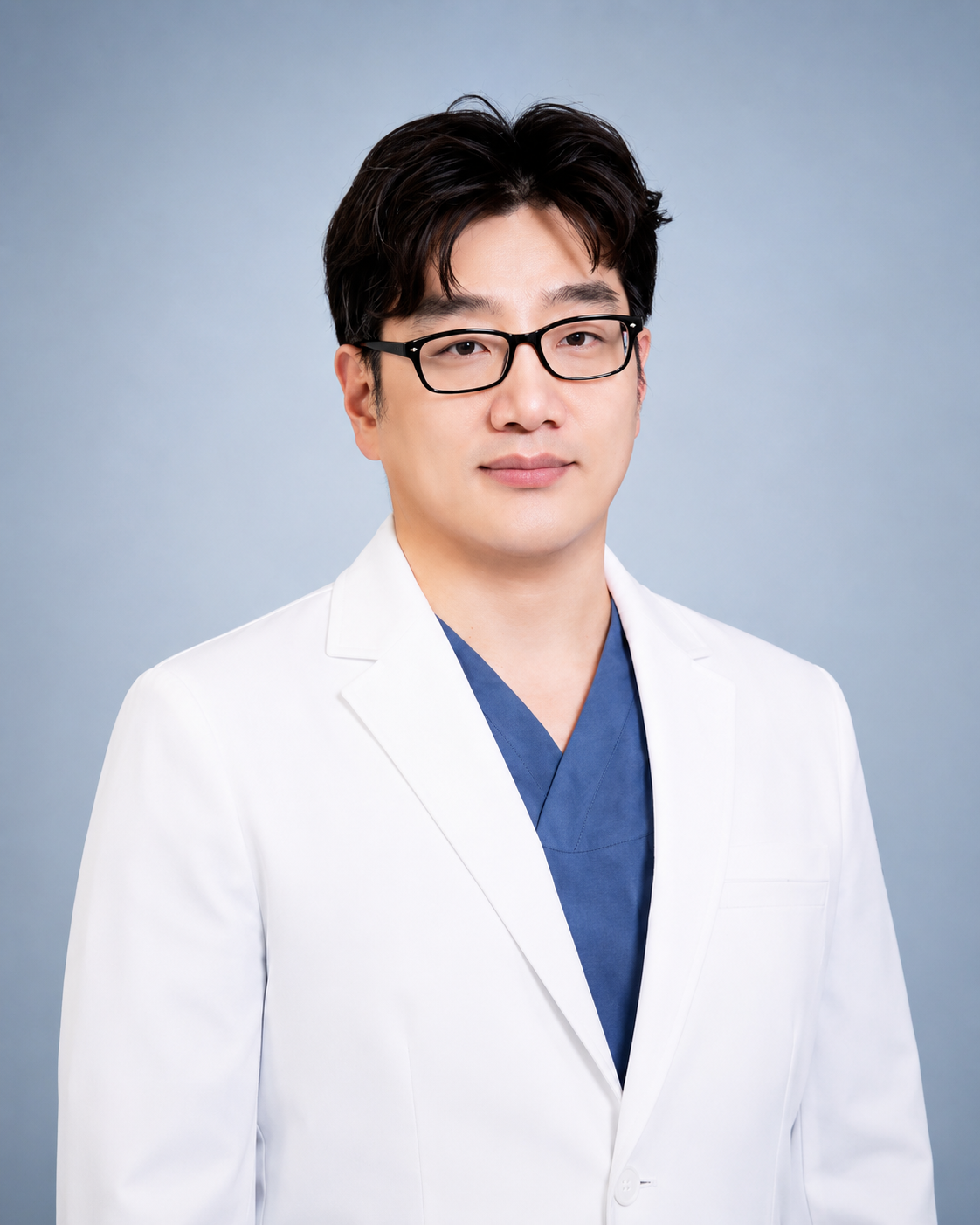
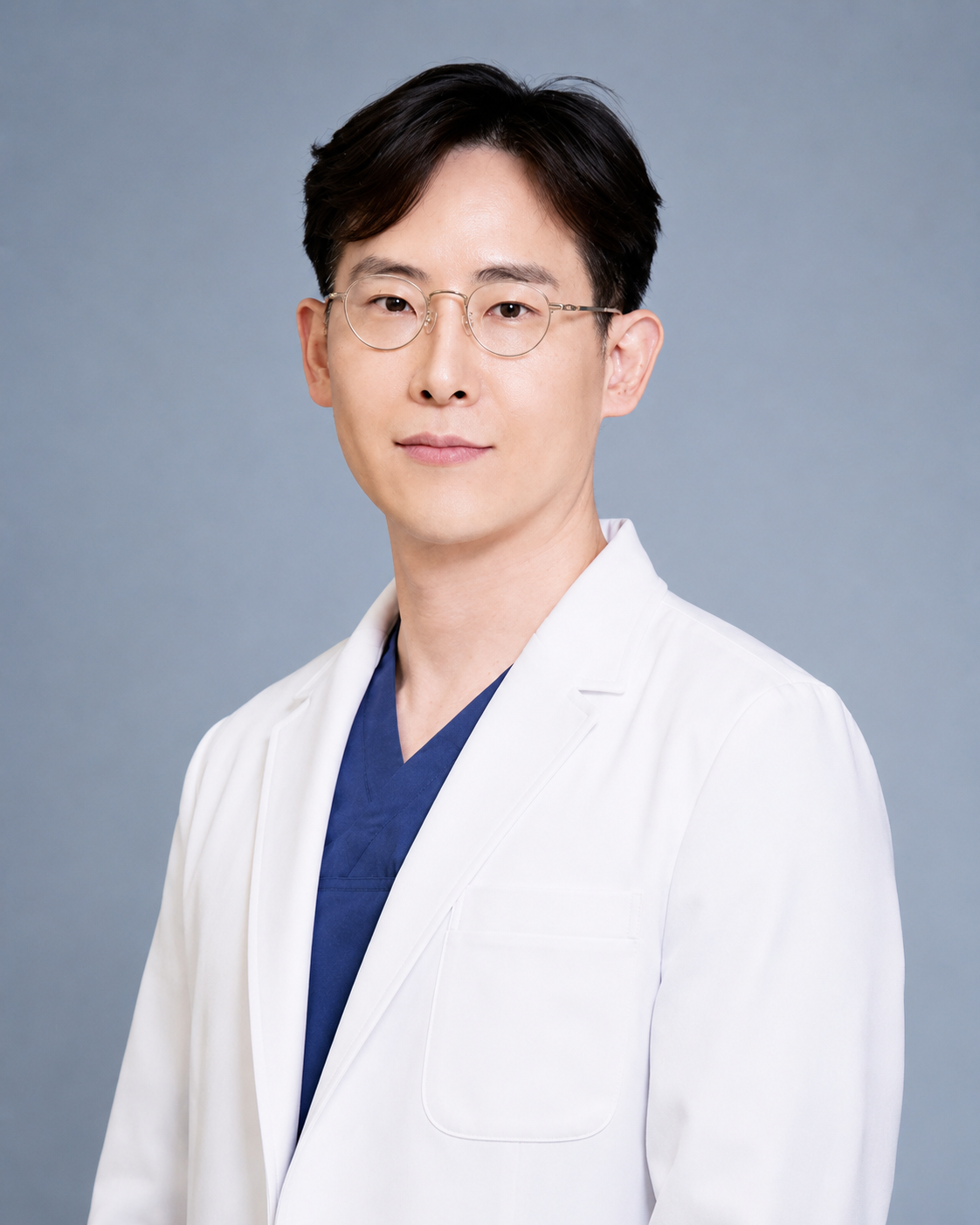
A doctor, in person, every time — never a nurse or a coordinator. JRYN Seomyeon has three doctors, and the clinic was founded by Dr. Jeong Heon Lee, who still consults here. What you actually need is decided during the consultation after your skin is examined, not from a fixed package chosen in advance.
Three doctors, one standard of care.
Every treatment plan at JRYN Seomyeon is decided and performed in person by one of our doctors — led by Dr. Jeong Heon Lee, founder of JRYN Dermatology.
From the Founder
The consultation is the treatment.
Most patients arrive asking for a specific treatment. My job is to check whether it is the right one for what they actually have. Getting that wrong is the most common mistake I correct.
Graduated from Inje University
Current Head of the JRYN Network
Current Chief Director of JRYN Seomyeon
Former Chief Director of Lin Clinic
Former Chief Director of Centum Lin Clinic
Managing Director · Seomyeon Main Branch
Dr. Yoon Jung-wook
Full Member, Korean Society of Aesthetic Plastic Surgery
Full Member, Korean Society for Aesthetic Plastic Surgery & Laser Medicine
Full Member, Korean Society of Obesity & Body Contouring
Former Neurosurgery Resident (3rd Year), Dong-A University Hospital
Former Intern, Dong-A University Hospital
Former Chief Director, Forever Plastic Surgery & Dermatology (Changwon)
Former Chief Director, Lovely Plastic Surgery & Dermatology (Changwon)
Former Director, Insta Plastic Surgery & Dermatology (Gimhae)
Former Director, Dr. Yoon Beauty Center (Vietnam)
Vice Managing Director · Seomyeon Main Branch
Dr. Jin Tae-wan
Former Director of Dermatology, MediWoman Women's Clinic
Former Director of Dermatology, Hangdo Quantum Clinic
Former Chief Director, AGE Clinic (formerly Paresa Clinic)
Former Chief Director, One Clinic (Guro)
Former Director, One Clinic (Gangnam)
Former Chief Director, SKY Plastic Surgery (Jongno)
Former Visiting Physician, Guangfu Aesthetic Plastic Surgery Hospital (Dalian, China)
Former Associate Director, Tokeshi Plastic Surgery
Former Associate Director, Midam Dermatology Clinic
Former Associate Director, Noble Line Plastic Surgery
Former Associate Director, Jeniva Plastic Surgery
Former Military Flight Surgeon, ROK Army Aviation Operations Command
Former Intern & Resident, Kangdong Sacred Heart Hospital
Before You Book
Questions patients ask first.
No. A package is a bundled price agreed upfront; a plan is a sequence with payment following each treatment. Nothing here requires commitment beyond the appointment you are attending — see what a no-upsell policy means.
Then that one thing should be whichever layer contributes most, treated properly. One adequate treatment beats three inadequate ones — see cheap or premium.
Nothing does. Stopping returns you to baseline rather than below it, and many patients treat intensively for a period and then less — see how long results last.
Yes. Collagen-based results fade over twelve to twenty-four months, so a gap means starting closer to baseline rather than losing everything gained.
Photographs under fixed conditions annually, compared against the previous year rather than against memory. Gradual change is invisible day to day.
Gradually. Skin quality work tends to increase and structural work becomes more central. What does not change is treating the dominant layer first.
No minimum, and treating nothing is a legitimate outcome of a consultation. What is not worthwhile is spreading a small budget across several layers.
Treatment notes record product, dose, area and response, so any clinic can continue — see patient rights.
Doctor-led planning across six categories. Foreign patients pay the same as local patients — what changes a final figure is units and area, never nationality.
JRYN Seomyeon
· 4F Samjeong Tower, 672 Jungang-daero · 5 min from Seomyeon Station Exit 2 · 2 min from Seomyeon Mall Exit 16 · 6 min from Lotte Department Store Busan Main · 8 min from Jeonpo Cafe Street · inside Seomyeon Medical Street · open through lunch, seven days a week
Ready When You Are
Send your dates, get a plan before you fly.
Message us on WhatsApp with what you would like to address and when you will be in Busan. You will get an honest read in your language — including whether the treatment you have in mind is the right one.