4F, Samjeong Tower, 672 Jungang-daero, Busanjin-gu, Busan, Korea
Pores · Seomyeon, Busan · Foreigner-Friendly
Large pores in Busan Seomyeon, and what genuinely reduces them.
Pore size is largely fixed, which is why most products aimed at them do nothing. What can be changed is oil output, surrounding skin firmness and the shadow a pore casts — and those three account for almost all visible improvement.
Why do pores look worse in photographs than in a mirror?
Where do pores fit alongside other concerns?
What does not work?
Does humidity really make it worse?
How much improvement is realistic?
What suits oily skin with rough texture together?
Nothing shrinks a pore permanently, and any product or treatment claiming to is describing a temporary effect. What is achievable is a genuine reduction in how visible they are, which is a different claim and a more useful one.
Does This Sound Familiar?
What patients say about pores
They look enormous in phone camera light.
Nothing I have tried has made any difference.
They got worse after I moved somewhere humid.
Is there anything that actually shrinks them?
My skin is oily and rough at the same time.
All five come up most weeks, and the fourth has a short answer that is worth hearing before spending money. The sections below explain what does work.
Why can pore size not be reduced permanently?
Because a pore is the opening of a follicle, and its diameter is largely determined by genetics and by the size of the sebaceous gland beneath it. Nothing topical or injectable alters follicle anatomy. What makes a pore look larger is a combination of oil filling and stretching it, loss of firmness in the surrounding skin allowing it to gape, and the shadow it casts under directional light — all three of which are modifiable.
Cause one — oil output
The most treatable component and the one that produces the fastest visible change. A follicle producing large volumes of sebum stretches, and oxidised oil at the opening darkens it further. Microbotox
is the most direct intervention available — small superficial doses reduce sebaceous activity for around three months, and patients notice the difference in how their skin looks by mid-afternoon within two weeks.
Cause two — loss of surrounding firmness
A pore in firm skin holds its shape; the same pore in skin with reduced collagen density elongates into a teardrop and reads as larger. This is why pores appear to worsen from the thirties onward without any change in oiliness. The answer is collagen rather than oil control — polynucleotide boosters, PDLLA
or fractional treatment depending on severity.
Cause three — shadow and texture
Much of what registers as a large pore is the shadow inside it, which is why they look worse under overhead light and in phone cameras than in a mirror. Surface irregularity around the opening deepens that shadow. Fractional resurfacing
addresses this directly by remodelling the surface, and it is the treatment with the largest single effect where pores are accompanied by texture or scarring.
What order should these be treated in?
Oil first, then firmness, then texture. Reducing sebum makes the other two easier to assess and produces improvement within weeks, which is useful before committing to a longer course. Collagen work follows over two to three months. Resurfacing goes last, if still wanted, since the first two steps often reduce how much is needed — and resurfacing carries the most downtime of the three.
Improvement is measurable, not dramatic — that is honest
Why do pores look worse in photographs than in a mirror?
Because a mirror is lit diffusely and a phone camera is not. Overhead lighting and front-facing flash both throw light at an angle that maximises the shadow inside each opening, and the wide-angle lens on a front camera exaggerates whatever is closest to it — usually the nose and inner cheek, which is exactly where pores are largest. The skin has not changed between the bathroom and the photograph; the lighting has. This matters practically because patients often judge treatment results from selfies taken in different conditions, which is why the clinic photographs under fixed lighting instead.
Where do pores fit alongside other concerns?
Usually as part of a broader skin quality picture rather than in isolation. Oily skin with visible pores frequently arrives alongside occasional breakouts, uneven tone from healed spots, and early textural change — and treating those together is more efficient than treating each separately. Microbotox
addresses oil, laser
handles residual pigment from old marks, and boosters
or resurfacing cover texture. What we would avoid is treating pores in isolation when the underlying picture is acne scarring, which needs its own plan.
What does not work?
Pore strips, which remove surface plugs and leave the opening unchanged. Astringents and alcohol-based toners, which cause a brief tightening and often increase oil production in response. Cold water and ice, which produce a temporary constriction lasting minutes. And most "pore minimising" cosmetics, which blur optically rather than change anything. None of these are harmful; they simply do not do what patients are buying them for.
Does humidity really make it worse?
Yes, measurably. Heat increases sebum production, and humidity means it sits on the surface rather than evaporating — which is why patients moving to a Busan summer from a dry climate describe pores appearing from nowhere. This is a genuine seasonal pattern rather than a perception, and microbotox
is the treatment that suits it best because it addresses the oil directly.
How much improvement is realistic?
Noticeable rather than transformative, and worth being clear about. A good result means pores that are visible on close inspection rather than from conversational distance, and skin that photographs better in overhead light. What it does not mean is poreless skin, which does not exist outside of filters and heavy base makeup. Any clinic promising the latter is selling something other than a result.
What suits oily skin with rough texture together?
That combination is common and responds well to sequencing rather than to one treatment. Microbotox
for the oil, then fractional resurfacing
or a booster course
for the texture once oil is controlled. Treating texture while sebum is still high means treating a surface that will re-roughen — see why some treatments need a course.
Our Medical Team
Who will actually treat you at JRYN Seomyeon?
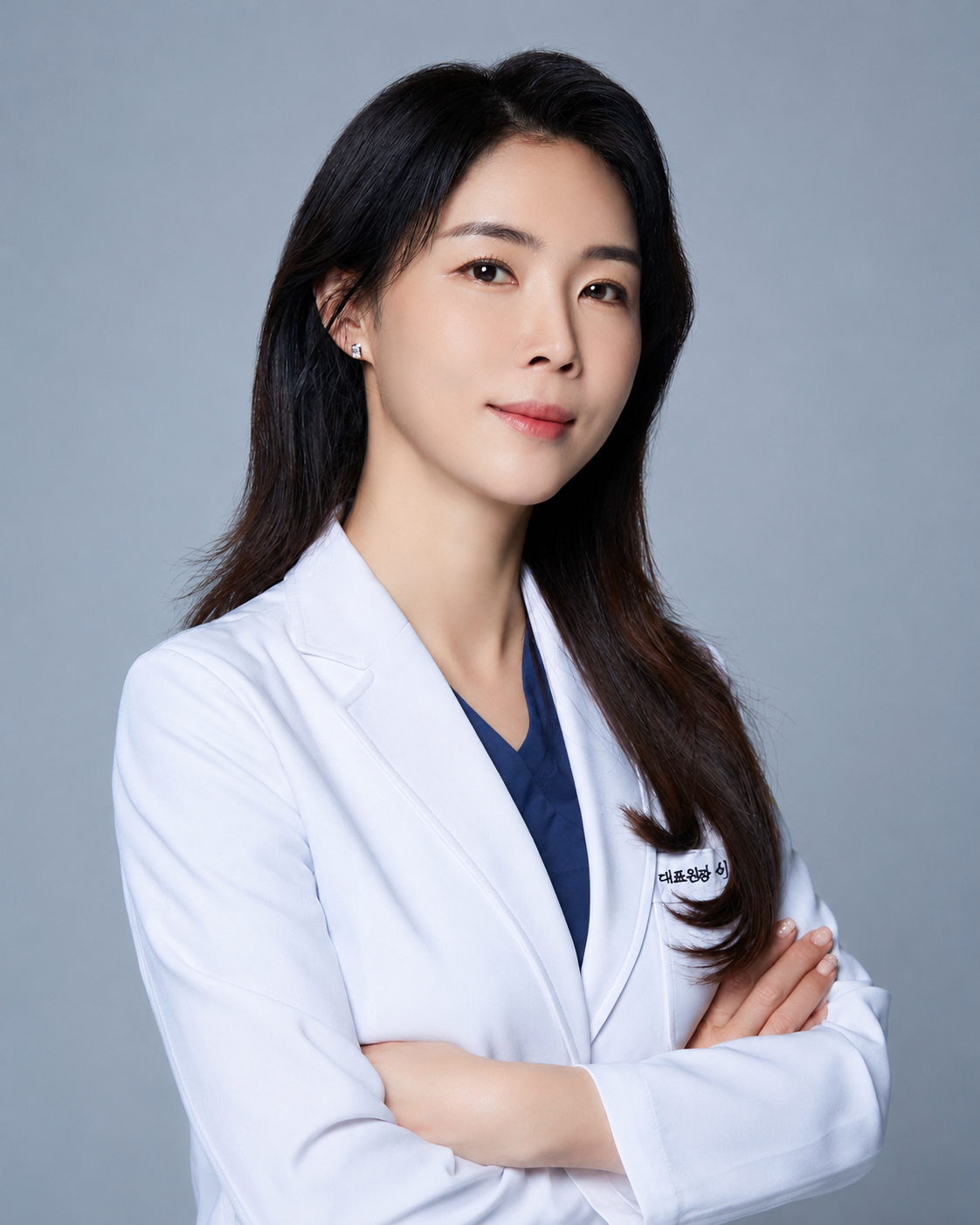
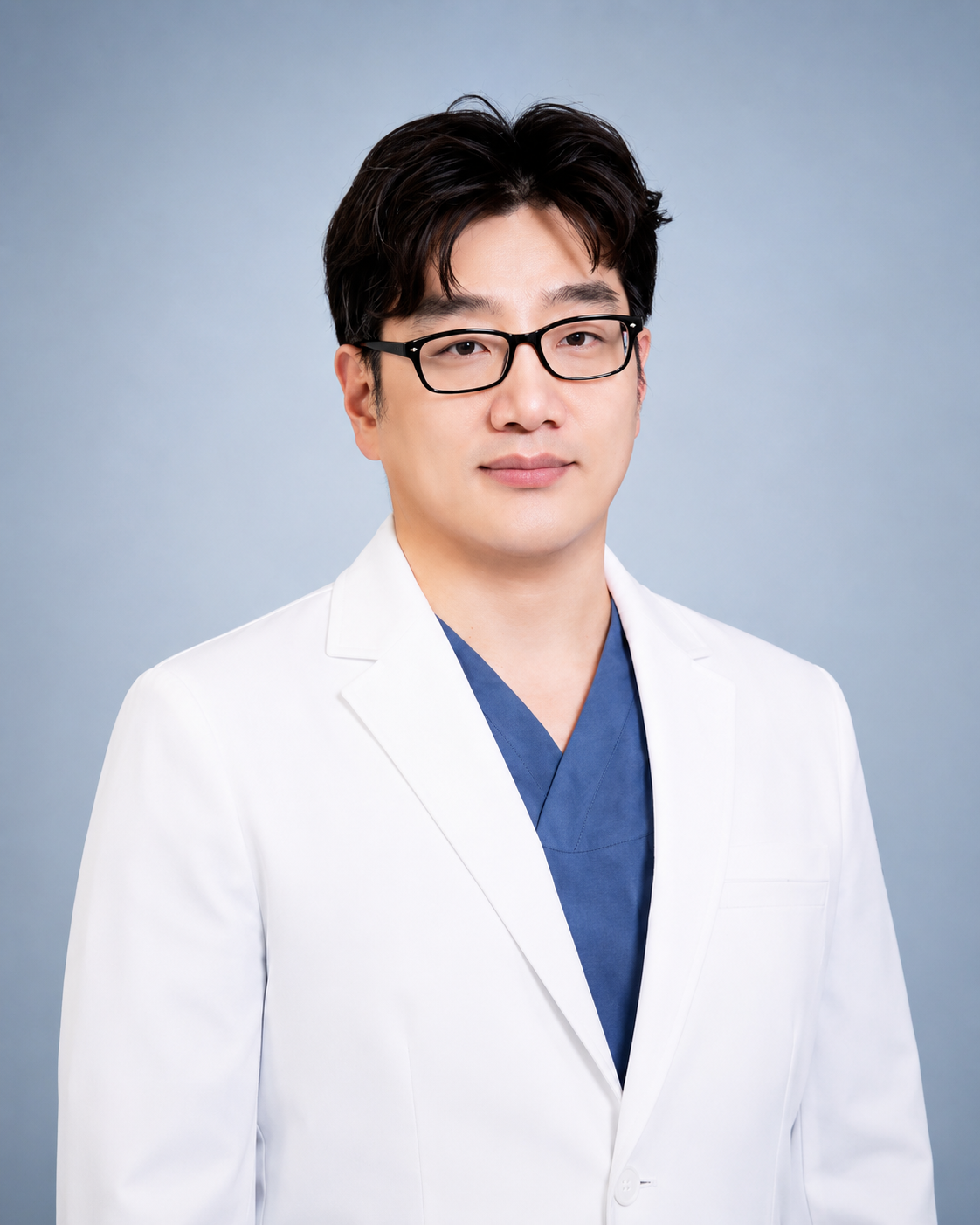
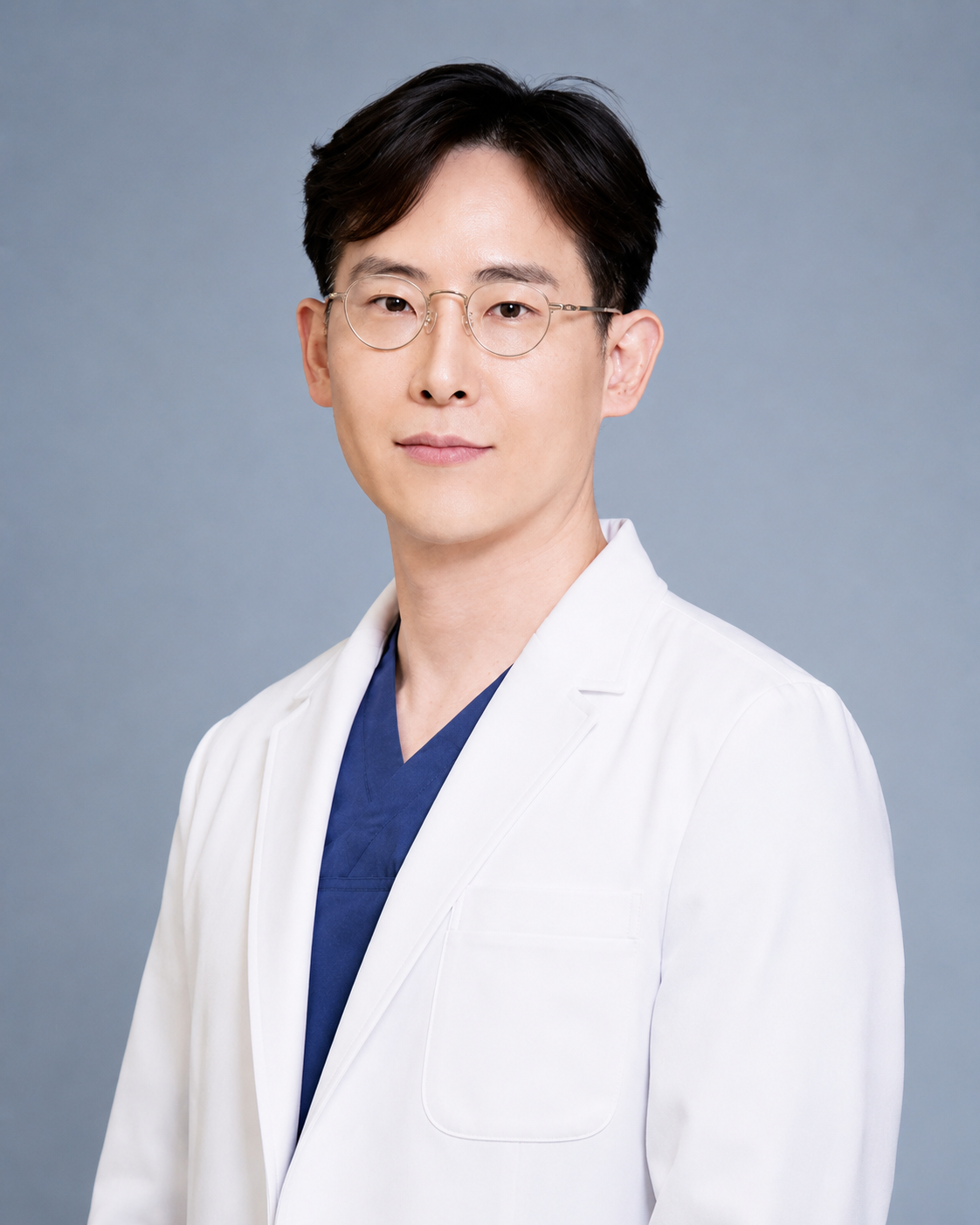
A doctor, in person, every time — never a nurse or a coordinator. JRYN Seomyeon has three doctors, and the clinic was founded by Dr. Jeong Heon Lee, who still consults here. What you actually need is decided during the consultation after your skin is examined, not from a fixed package chosen in advance.
Three doctors, one standard of care.
Every treatment plan at JRYN Seomyeon is decided and performed in person by one of our doctors — led by Dr. Jeong Heon Lee, founder of JRYN Dermatology.
From the Founder
The consultation is the treatment.
Most patients arrive asking for a specific treatment. My job is to check whether it is the right one for what they actually have. Getting that wrong is the most common mistake I correct.
Graduated from Inje University
Current Head of the JRYN Network
Current Chief Director of JRYN Seomyeon
Former Chief Director of Lin Clinic
Former Chief Director of Centum Lin Clinic
Managing Director · Seomyeon Main Branch
Dr. Yoon Jung-wook
Full Member, Korean Society of Aesthetic Plastic Surgery
Full Member, Korean Society for Aesthetic Plastic Surgery & Laser Medicine
Full Member, Korean Society of Obesity & Body Contouring
Former Neurosurgery Resident (3rd Year), Dong-A University Hospital
Former Intern, Dong-A University Hospital
Former Chief Director, Forever Plastic Surgery & Dermatology (Changwon)
Former Chief Director, Lovely Plastic Surgery & Dermatology (Changwon)
Former Director, Insta Plastic Surgery & Dermatology (Gimhae)
Former Director, Dr. Yoon Beauty Center (Vietnam)
Vice Managing Director · Seomyeon Main Branch
Dr. Jin Tae-wan
Former Director of Dermatology, MediWoman Women's Clinic
Former Director of Dermatology, Hangdo Quantum Clinic
Former Chief Director, AGE Clinic (formerly Paresa Clinic)
Former Chief Director, One Clinic (Guro)
Former Director, One Clinic (Gangnam)
Former Chief Director, SKY Plastic Surgery (Jongno)
Former Visiting Physician, Guangfu Aesthetic Plastic Surgery Hospital (Dalian, China)
Former Associate Director, Tokeshi Plastic Surgery
Former Associate Director, Midam Dermatology Clinic
Former Associate Director, Noble Line Plastic Surgery
Former Associate Director, Jeniva Plastic Surgery
Former Military Flight Surgeon, ROK Army Aviation Operations Command
Former Intern & Resident, Kangdong Sacred Heart Hospital
Before You Book
Questions patients ask first.
Yes, and it is the effect patients report most reliably. Small superficial doses reduce sebaceous gland activity for around three months. It does not affect expression, since the dose does not reach the muscle layer — see skin botox.
After oil control ends, largely yes, which is why it is repeated. Collagen-based improvement holds longer. Resurfacing produces the most durable change since it alters the surface rather than the output.
The nose, inner cheeks and chin have the highest follicle density and the largest sebaceous glands, which is why they show first. Treatment is usually targeted rather than applied across the whole face.
Modestly and inconsistently. High-glycaemic diets and dairy have some association with sebum production in the literature, but the effect is smaller than genetics and climate. Dietary change is worth trying and not worth relying on.
Usually yes, and they help with texture. Pause them two to three days either side of a laser session. Tell us what you are using, since strong actives change how skin responds to resurfacing.
Sebaceous gland activity is high in many Asian skin types and pore visibility is a very common presenting concern in Korea, which is one reason microbotox is more established here than elsewhere.
Microbotox within two weeks. Boosters over a three-to-four session course. Resurfacing shows at three to four weeks per session as remodelling completes — see how long results last.
Summer is when the oil component is worst and when microbotox is most useful, so treating is reasonable. Resurfacing is better in the cooler months — see summer: what to postpone.
Doctor-led planning across six categories. Foreign patients pay the same as local patients — what changes a final figure is units and area, never nationality.
JRYN Seomyeon
· 4F Samjeong Tower, 672 Jungang-daero · 5 min from Seomyeon Station Exit 2 · 2 min from Seomyeon Mall Exit 16 · 6 min from Lotte Department Store Busan Main · 8 min from Jeonpo Cafe Street · inside Seomyeon Medical Street · open through lunch, seven days a week
Ready When You Are
Send your dates, get a plan before you fly.
Message us on WhatsApp with what you would like to address and when you will be in Busan. You will get an honest read in your language — including whether the treatment you have in mind is the right one.