4F, Samjeong Tower, 672 Jungang-daero, Busanjin-gu, Busan, Korea
Postnatal · Seomyeon, Busan · Foreigner-Friendly
Treatment after pregnancy in Busan Seomyeon, and when it is worth waiting.
Most elective treatment waits until breastfeeding has ended, and some concerns are better left longer than that. This explains which, why, and what genuinely changes in the plan once you are ready.
What is not offered during pregnancy or breastfeeding?
When can I start after birth?
Why is pregnancy melasma different?
How long should I wait before treating melasma?
What changes in the face after pregnancy?
Is anything at all possible while breastfeeding?
Why is waiting so often the recommendation here?
What does the reassessment visit actually involve?
What if I might have another child?
What is worth doing first once you are ready?
How is the timing actually decided?
Two questions come up constantly and have different answers. When can I safely have something done, and when is it worth having something done. The first is about breastfeeding; the second is about what your face is still doing on its own.
Does This Sound Familiar?
What patients ask after pregnancy
I stopped breastfeeding last month. Can I book now?
The melasma from pregnancy has not gone. Should I treat it?
My face looks completely different. Is that permanent?
Is anything safe while I am still feeding?
How long should I wait if I might have another child?
All five come up most weeks, and the second one has an answer that saves people money. The sections below take them in order.
What is not offered during pregnancy or breastfeeding?
Effectively all elective treatment. Botox, filler, boosters, lifting, threads
and elective laser
are all declined here during both. There is no evidence of harm from most of them at cosmetic doses, and there is also no safety data supporting them — elective treatment does not justify unknown risk when waiting costs nothing but time.
When can I start after birth?
Once breastfeeding has ended, for most treatments. If you are not breastfeeding, the usual guidance is to wait until the immediate postnatal period has passed and your cycle has re-established, since hormonal fluctuation affects both pigment behaviour and how tissue responds. Tell us where you are and the timing is discussed rather than assumed — for some patients the honest answer is three months, for others considerably longer.
Why is pregnancy melasma different?
Because it frequently improves on its own, and treating it early wastes a course. Melasma appearing during pregnancy is hormonally driven, and for a substantial proportion of patients it fades over the six to twelve months after birth as hormones settle. Starting an eight-to-fifteen session melasma course
two months postpartum means paying for sessions that the body was going to do anyway. Waiting and reassessing is the recommendation more often than not.
How long should I wait before treating melasma?
Six to twelve months after birth, or after breastfeeding ends if later, and reassess rather than committing to a course upfront. What we would do at three months is take photographs and discuss sun protection, which is the intervention that actually matters in that window. If it has not resolved by a year it is unlikely to on its own, and that is the point to start a proper low-energy course.
What changes in the face after pregnancy?
Volume and skin quality more often than structure. Rapid weight change in either direction removes facial fat preferentially, which is why patients describe looking older rather than heavier. Skin quality dips with sleep deprivation and hormonal shift. Both of these recover partially on their own over the first year, which is another argument for reassessing rather than treating immediately — see what matters at 25, 35 and 45.
Some concerns resolve on their own — worth knowing which
Is anything at all possible while breastfeeding?
Nothing elective here, and we say so plainly rather than making exceptions. Where a condition is medical rather than cosmetic — a lesion needing assessment, or acne requiring treatment — that is a different conversation and is handled with breastfeeding-compatible options. What we will not do is offer a cosmetic treatment on the basis that it is probably fine.
Why is waiting so often the recommendation here?
Because the postnatal year is the one period where a face is still changing on its own, and treating into a moving picture produces an unstable result. Hormones settle, weight redistributes, sleep improves, and pigment that looked permanent at three months frequently is not at ten. A clinic that starts a course at eight weeks postpartum is not doing anything unsafe — it is charging for changes the body was going to make anyway, and then attributing them to the treatment. The photographs taken at that first visit are what eventually make the difference clear.
What does the reassessment visit actually involve?
Photographs in consistent lighting, a comparison against whatever you have from earlier, and a straightforward conversation about what has resolved and what has not. There is no treatment attached and nothing is charged. For pigment specifically, that comparison is the only reliable way to tell whether melasma is fading or static — memory is not sufficient, since gradual improvement is close to invisible day to day. Patients who come at three months and again at nine usually leave the second visit with a clear answer either way.
What if I might have another child?
It changes what is worth starting rather than what is safe. A full melasma course
completed and then undone by a subsequent pregnancy is a poor use of money and time, so patients planning another child within a year or two are usually better served by maintenance and sun protection until they are done. Structural treatment like lifting
is unaffected by future pregnancy and can proceed normally.
What is worth doing first once you are ready?
Usually skin quality rather than structure. Polynucleotide boosters
address the dullness and thinning that follow a year of poor sleep, and they show results within weeks rather than months. Toning
for any residual pigment once it has stabilised. Structural work can wait until the face has settled, which for most patients is around a year.
How is the timing actually decided?
By where you are rather than by a fixed number of months. The questions are whether breastfeeding has ended, whether your cycle has re-established, whether pigment is still changing, and whether your weight is stable. Four straightforward answers that between them determine whether now is the right time — and if the answer is not yet, that is a normal consultation outcome with nothing charged. See how a consultation works.
Our Medical Team
Who will actually treat you at JRYN Seomyeon?
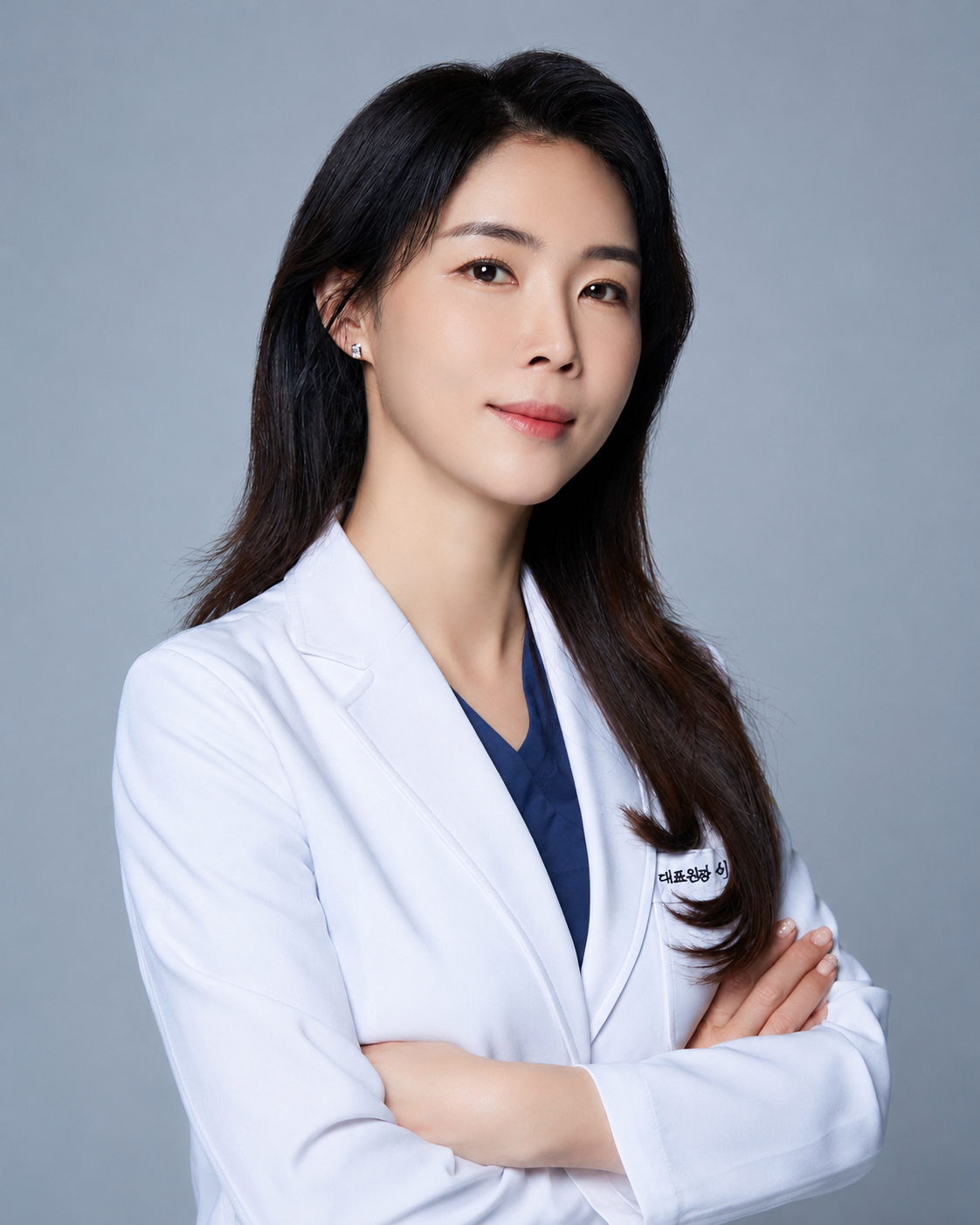
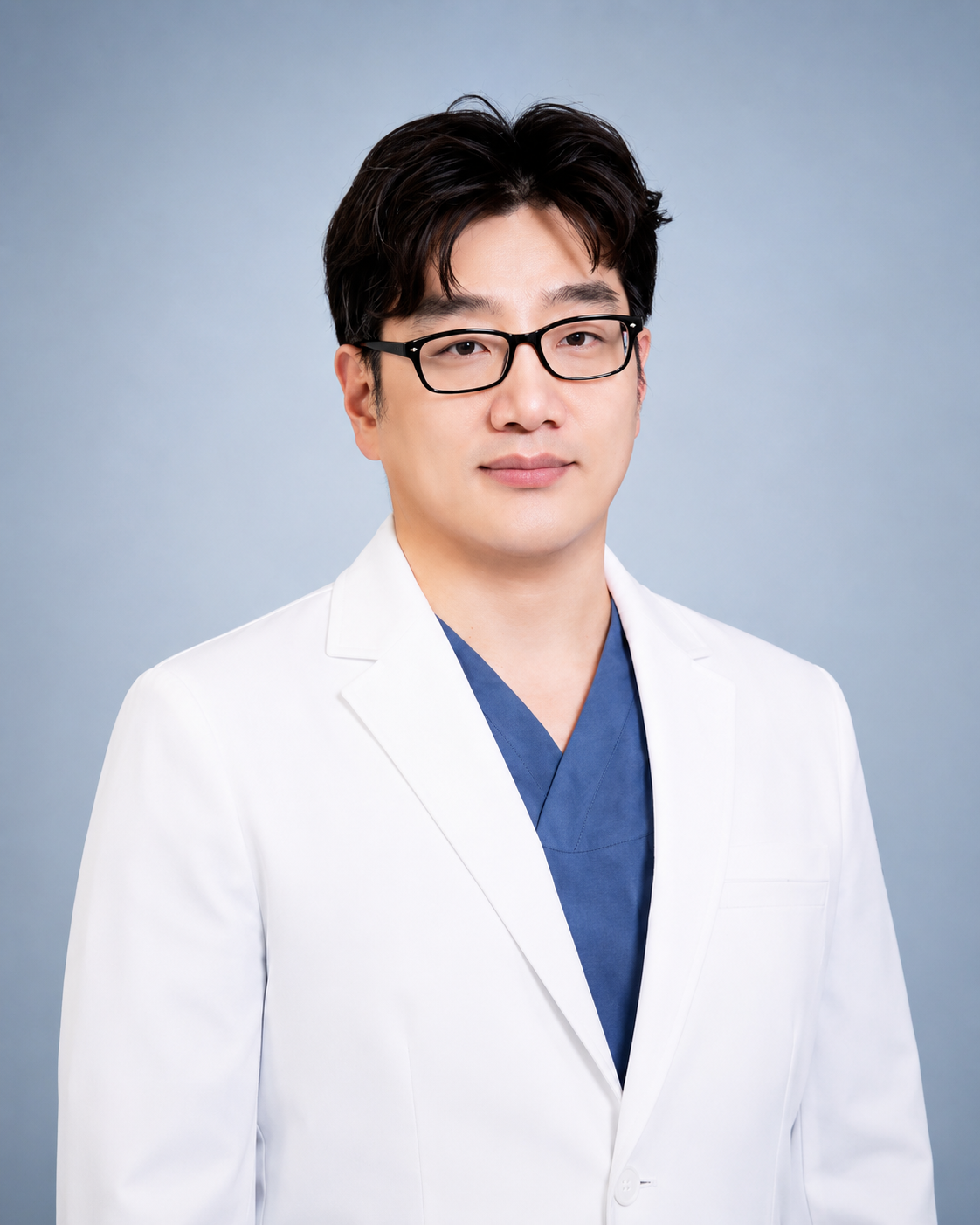
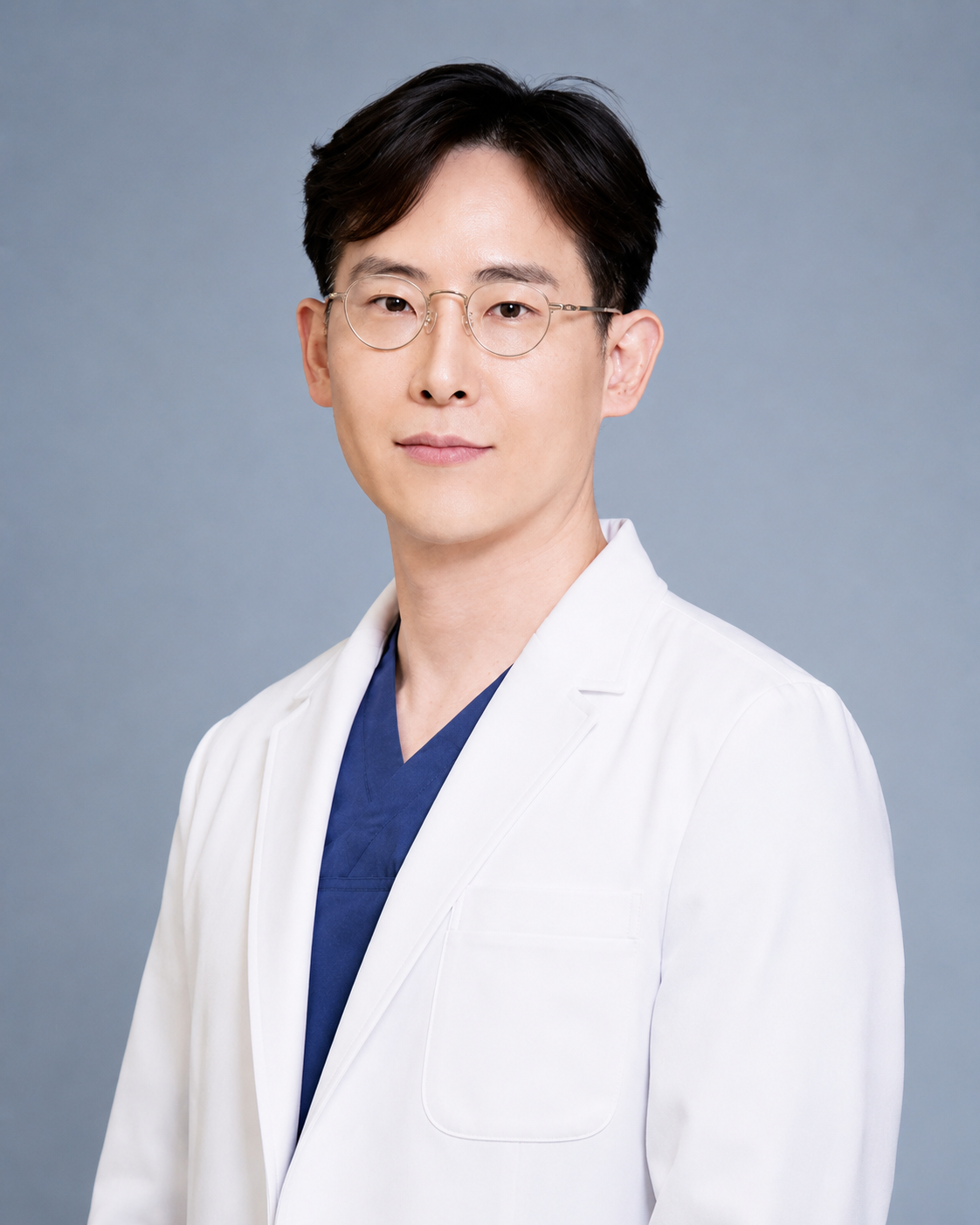
A doctor, in person, every time — never a nurse or a coordinator. JRYN Seomyeon has three doctors, and the clinic was founded by Dr. Jeong Heon Lee, who still consults here. What you actually need is decided during the consultation after your skin is examined, not from a fixed package chosen in advance.
Three doctors, one standard of care.
Every treatment plan at JRYN Seomyeon is decided and performed in person by one of our doctors — led by Dr. Jeong Heon Lee, founder of JRYN Dermatology.
From the Founder
The consultation is the treatment.
Most patients arrive asking for a specific treatment. My job is to check whether it is the right one for what they actually have. Getting that wrong is the most common mistake I correct.
Graduated from Inje University
Current Head of the JRYN Network
Current Chief Director of JRYN Seomyeon
Former Chief Director of Lin Clinic
Former Chief Director of Centum Lin Clinic
Managing Director · Seomyeon Main Branch
Dr. Yoon Jung-wook
Full Member, Korean Society of Aesthetic Plastic Surgery
Full Member, Korean Society for Aesthetic Plastic Surgery & Laser Medicine
Full Member, Korean Society of Obesity & Body Contouring
Former Neurosurgery Resident (3rd Year), Dong-A University Hospital
Former Intern, Dong-A University Hospital
Former Chief Director, Forever Plastic Surgery & Dermatology (Changwon)
Former Chief Director, Lovely Plastic Surgery & Dermatology (Changwon)
Former Director, Insta Plastic Surgery & Dermatology (Gimhae)
Former Director, Dr. Yoon Beauty Center (Vietnam)
Vice Managing Director · Seomyeon Main Branch
Dr. Jin Tae-wan
Former Director of Dermatology, MediWoman Women's Clinic
Former Director of Dermatology, Hangdo Quantum Clinic
Former Chief Director, AGE Clinic (formerly Paresa Clinic)
Former Chief Director, One Clinic (Guro)
Former Director, One Clinic (Gangnam)
Former Chief Director, SKY Plastic Surgery (Jongno)
Former Visiting Physician, Guangfu Aesthetic Plastic Surgery Hospital (Dalian, China)
Former Associate Director, Tokeshi Plastic Surgery
Former Associate Director, Midam Dermatology Clinic
Former Associate Director, Noble Line Plastic Surgery
Former Associate Director, Jeniva Plastic Surgery
Former Military Flight Surgeon, ROK Army Aviation Operations Command
Former Intern & Resident, Kangdong Sacred Heart Hospital
Before You Book
Questions patients ask first.
There is no evidence that it passes into breast milk in meaningful quantity, and also no data establishing that it does not. That gap is why it is declined for elective use rather than because harm is demonstrated.
Where a lesion needs assessment or treatment is medically indicated, yes, with the approach chosen accordingly. The distinction is medical necessity rather than the technology involved.
Not always, but recurrence with a subsequent pregnancy is common since the trigger is the same. Patients who complete a course and then conceive again frequently see it return — which is why timing around family plans matters.
Different tissue and a different conversation. Established stretch marks respond partially to fractional treatment and it is worth setting expectations before starting rather than after.
Retinoids are generally avoided; most other actives including vitamin C and azelaic acid are considered compatible. Check specific products with the doctor managing your postnatal care rather than assuming from a category.
Partially and gradually over the first year, particularly if weight stabilises. What does not return on its own is volume lost through significant weight change, which is where treatment has a genuine role once you are ready.
No, and that framing is worth resisting. Nothing about waiting six months makes a later treatment less effective, and treating during active hormonal change is more likely to produce an unstable result.
The window shortens considerably. Once the immediate postnatal period has passed and your cycle has re-established, most treatment is available — the pigment caution still applies since hormones drive it.
Doctor-led planning across six categories. Foreign patients pay the same as local patients — what changes a final figure is units and area, never nationality.
JRYN Seomyeon
· 4F Samjeong Tower, 672 Jungang-daero · 5 min from Seomyeon Station Exit 2 · 2 min from Seomyeon Mall Exit 16 · 6 min from Lotte Department Store Busan Main · 8 min from Jeonpo Cafe Street · inside Seomyeon Medical Street · open through lunch, seven days a week
Ready When You Are
Send your dates, get a plan before you fly.
Message us on WhatsApp with what you would like to address and when you will be in Busan. You will get an honest read in your language — including whether the treatment you have in mind is the right one.