

Fotona Fractional · Seomyeon, Busan · Foreigner-Friendly

Fotona fractional in Busan Seomyeon, ablation without the heat debt.

Er:YAG at 2940nm is absorbed by water more strongly than any other resurfacing wavelength — so it removes tissue cleanly and leaves far less residual heat behind than CO2. Texture, pores and fine lines, with healing measured in days rather than a week. ₩200,000 per session at our Busan, Korea clinic. English, 日本語 and 中文 consults. Medically reviewed by Dr. Jeong Heon Lee, MD.

Fotona fractional Er:YAG laser resurfacing at JRYN Dermatology Seomyeon Busan
Start in 30 seconds

Ask about your resurfacing plan.

Tap the concern you're curious about

Nothing sends until you press send in WhatsApp. Sharing a photo gets you a faster, more accurate answer — and a fair estimate in advance.

20–40 min
Treatment
2940 nm
Er:YAG
3–4
Sessions
3–5 day
Healing
Low
Residual Heat
200k
Per Session
Does This Sound Familiar?

What Busan patients ask before booking Fotona.

  • Er:YAG or CO2 — which resurfacing laser should I have?
  • Why does less residual heat matter on Asian skin?
  • How many days will I actually look treated?
  • Can it improve pores, or only fine lines and texture?
  • Is fractional gentler than full resurfacing, or just slower?

All five come up most weeks in Busan. The sections below answer them in order — the Er:YAG-versus-CO2 decision, why thermal residue drives PIH risk, an honest day-by-day, the pore answer, and what fractional actually trades.

Smooth refined skin texture after Fotona fractional at JRYN Dermatology Seomyeon Busan
Fotona Fractional · JRYN Seomyeon
What Is Fotona Fractional?

Water-absorbed ablation, with the heat left out.

Fotona's Er:YAG laser emits at 2940nm — the wavelength water absorbs most strongly of any used in resurfacing. That means the energy is consumed almost entirely at the surface, vaporising a precise layer of tissue and leaving very little heat to spread into the skin beneath.

Delivered fractionally, it creates microscopic columns of ablation with untreated skin between them, so healing runs from the surrounding tissue and finishes in three to five days rather than a week. Texture, pore appearance, fine lines and superficial scarring respond. The low residual heat is the reason it suits pigment-prone Asian skin, and the session price is ₩200,000 on our published list at our Busan, Korea clinic.

How It Works

The science, without the hype.

Wavelength, water and the fractional pattern — the mechanism at our Busan clinic.

01

2940nm absorption

Water absorbs Er:YAG more strongly than any resurfacing wavelength — energy is spent at the surface, not conducted downward.

02

Precise ablation

A defined layer is vaporised cleanly, giving control over depth that thermal lasers cannot match.

03

Minimal residual heat

Less conducted heat means less inflammatory response — the core of the PIH-risk argument on Asian skin.

04

Fractional columns

Untreated skin between the columns supplies healing, cutting recovery from a week to a few days.

What Fotona Treats

Surface problems, addressed at the surface.

The examination grades depth first — deep pitted scarring wants a different tool.

Texture & roughness
Surface
Uneven, rough-reading skin smoothed across a course.
Sessions 3–4
Interval 4 weeks
Pore appearance
Surface + collagen
Pore rims refined by ablation plus the collagen response beneath.
Sessions 3–4
Builds 4–8 weeks
Fine lines
Superficial
Early etched lines softened by controlled resurfacing.
Sessions 3–4
Note Not deep folds
Your Visit, Step by Step

Six steps at our Busan clinic, twenty to forty minutes, numbed.

01

Depth grading

The doctor grades whether your concern is surface or deep at our Busan clinic — Er:YAG excels at one and defers to CO2 on the other.

02

Photos and course plan

Raking-light photos, then depth, density, session count and price in writing before anything begins.

03

Numbing

Thirty minutes of topical anaesthetic — ablative work is done comfortably here.

04

The pass

Twenty to forty minutes across the mapped zones, with depth and density set per region.

05

The healing days

Sandpaper texture and mild swelling for three to five days; flaking, then fresh skin. Make-up from day four for most.

06

The build

Collagen response continues for weeks after the surface heals — photographed at week four before the next session.

Fotona Fractional Pricing

How much is Fotona fractional in Busan?

₩200,000 per session on the published list, with a typical three-to-four-session course written at the exam. Deep pitted scarring is routed to CO2 or a scar program instead, honestly. No foreigner markup.

Your options, side by side.

Fotona against its resurfacing-menu neighbours — all published.

Option Position Price
Fotona Fractional Er:YAG, low heat, fast healing ₩200,000 / session
CO2 Fractional Deeper ablation, longer healing from ₩10,000
Fotona Peeling Controlled surface peel ₩300,000 / session

Published prices in Korean Won, identical to the list Korean patients see — no foreigner markup. Where CO2 reaches your depth better, the exam says so even at a lower price. See the full price list.

The Resurfacing Curve

What a course honestly delivers.

When What you will notice What to do
Day 0–1 Skin reads flushed and warm with a sandpaper texture; mild swelling on the first evening. Ointment and gentle cleansing. No actives, no scrubbing, no picking.
Day 2–5 Flaking through the healing window; fresh skin appears underneath as it sheds. Let it shed on its own. SPF the moment flaking finishes, without exception.
Week 2–4 The surface change reads: texture smoother, pores finer in raking light. The fixed-light photo decides the next session — and collagen is still building underneath.
Course end Cumulative smoothing across three to four sessions, with remodelling continuing for weeks after the last. Maintenance framed plainly; sun discipline decides how long it holds.
Honest Suitability

Who it suits in Busan — and who should wait.

A good fit if you…

  • Texture, roughness and pore appearance wanting controlled resurfacing
  • Pigment-prone Asian skin needing the lowest practical thermal load
  • Preferring three-to-five-day healing over an ablative week
  • Early fine lines and superficial scarring
  • Busan visitors — healing completes within a typical two-week trip

Better to wait if you…

  • Pregnancy — deferred as standard
  • Active tan or recent sun — two shaded weeks first
  • Deep pitted scarring — routed to CO2 or a staged scar program honestly
  • Isotretinoin courses — timing screened per current guidance

After your treatment

  • Ointment and gentle cleansing through the flaking days; never scrub or pick
  • SPF the moment flaking finishes and daily thereafter
  • No sauna, swimming or hard training until the surface has closed
  • Raking-light photos at each session referee the course

Honest limits

  • Er:YAG is a surface tool — deep pitted scars need CO2 depth or staged sequencing
  • Fractional trades single-session power for faster healing, so a course is required
  • Results hold with sun discipline; without it, texture and tone regress together
Our Medical Team

Er:YAG or CO2 — which resurfacing laser should I have?

Depth decides, and skin type weights the decision. CO2 conducts heat deeper, which is exactly what pitted scarring and significant textural damage need, and it costs a real healing week. Er:YAG at 2940nm is absorbed by water so completely that it ablates cleanly with minimal residual heat — less collagen contraction, but also markedly less inflammatory response, which on pigment-prone Asian skin translates directly into lower PIH risk. At our Busan clinic surface texture, pores and fine lines go to Fotona; deep pits go to CO2; and mixed cases sequence both with the order written down.

Three doctors, one standard of care.

Every Fotona course at JRYN Busan Seomyeon is depth-graded and treated in person by one of our doctors

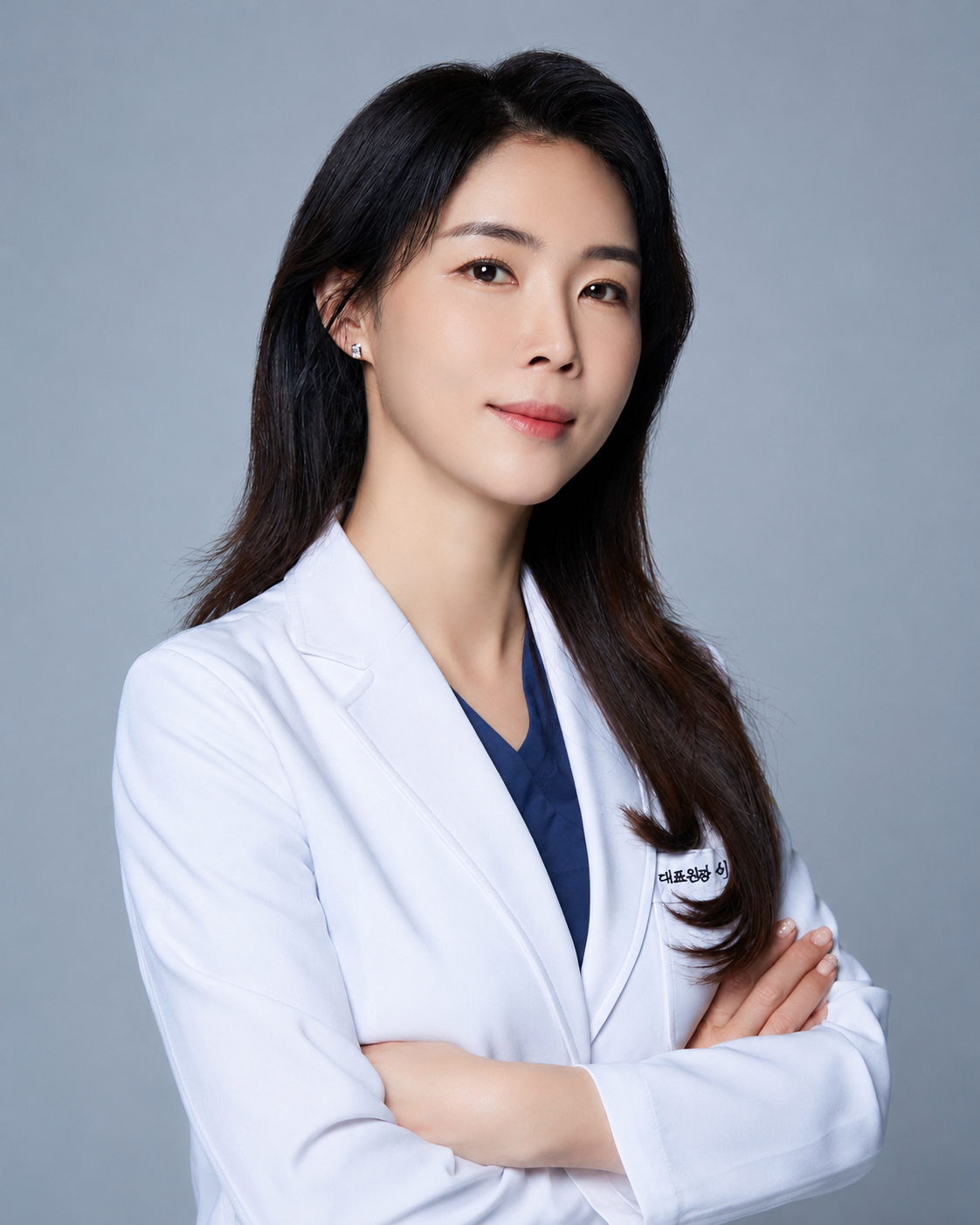
Dr. Jeong Heon Lee, founder and chief director at JRYN Seomyeon Busan
From the Founder

Graded and treated in person by one of our doctors.

Er:YAG is the wavelength I reach for when I want to take exactly what I intend and nothing more. Heat is what makes ablative lasers unpredictable on Asian skin — remove most of the heat and you remove most of the argument against resurfacing. What you give up is depth, and I say so before booking rather than after.

  • Graduated from Inje University
  • Current Head of the JRYN Network
  • Current Chief Director of JRYN Seomyeon
  • Former Chief Director of Lin Clinic
  • Former Chief Director of Centum Lin Clinic
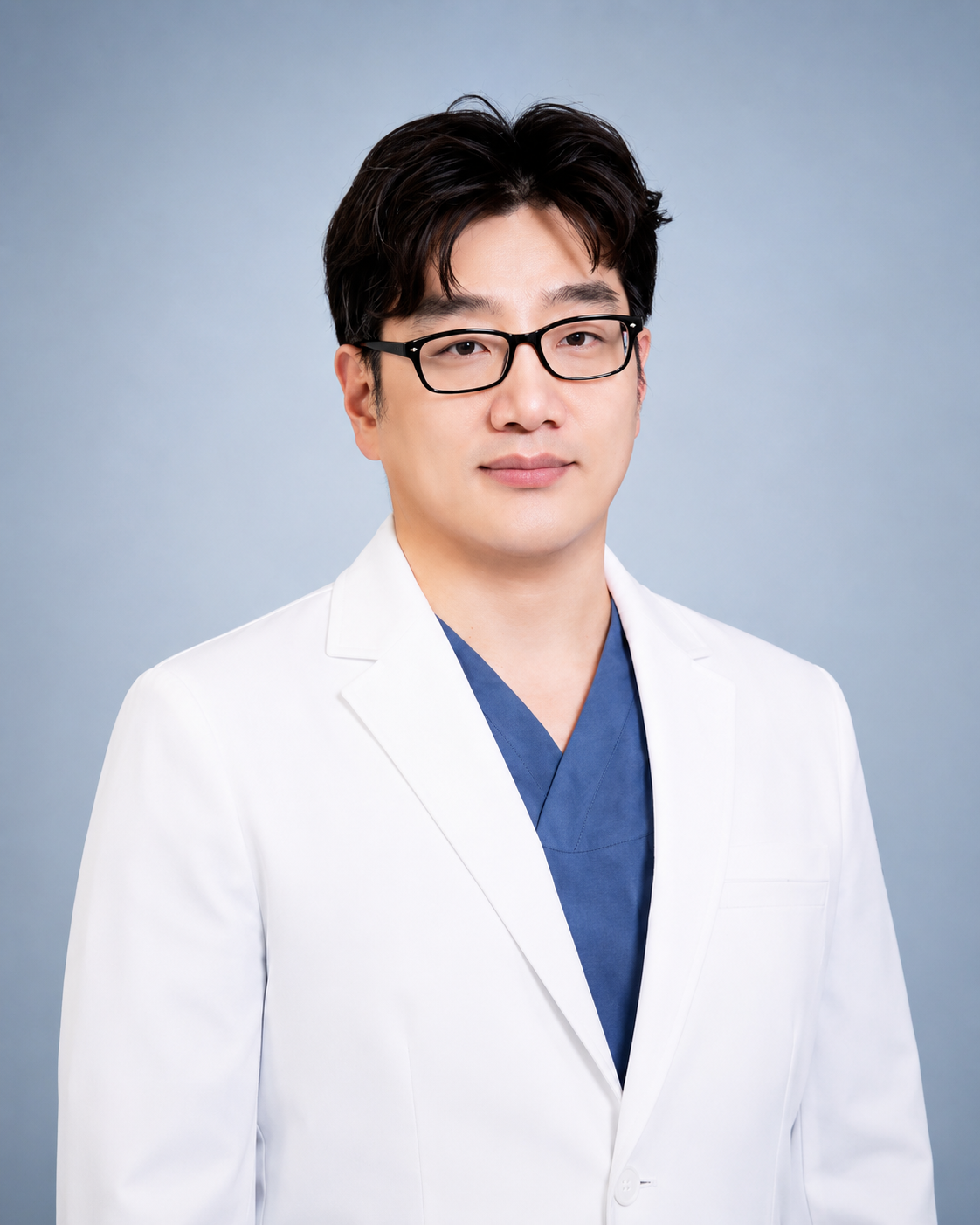
Dr. Yoon Jung-wook, Managing Director at JRYN Seomyeon Busan
Managing Director · Seomyeon Main Branch

Dr. Yoon Jung-wook

  • Full Member, Korean Society of Aesthetic Plastic Surgery
  • Full Member, Korean Society for Aesthetic Plastic Surgery & Laser Medicine
  • Full Member, Korean Society of Obesity & Body Contouring
  • Former Neurosurgery Resident (3rd Year), Dong-A University Hospital
  • Former Intern, Dong-A University Hospital
  • Former Chief Director, Forever Plastic Surgery & Dermatology (Changwon)
  • Former Chief Director, Lovely Plastic Surgery & Dermatology (Changwon)
  • Former Director, Insta Plastic Surgery & Dermatology (Gimhae)
  • Former Director, Dr. Yoon Beauty Center (Vietnam)
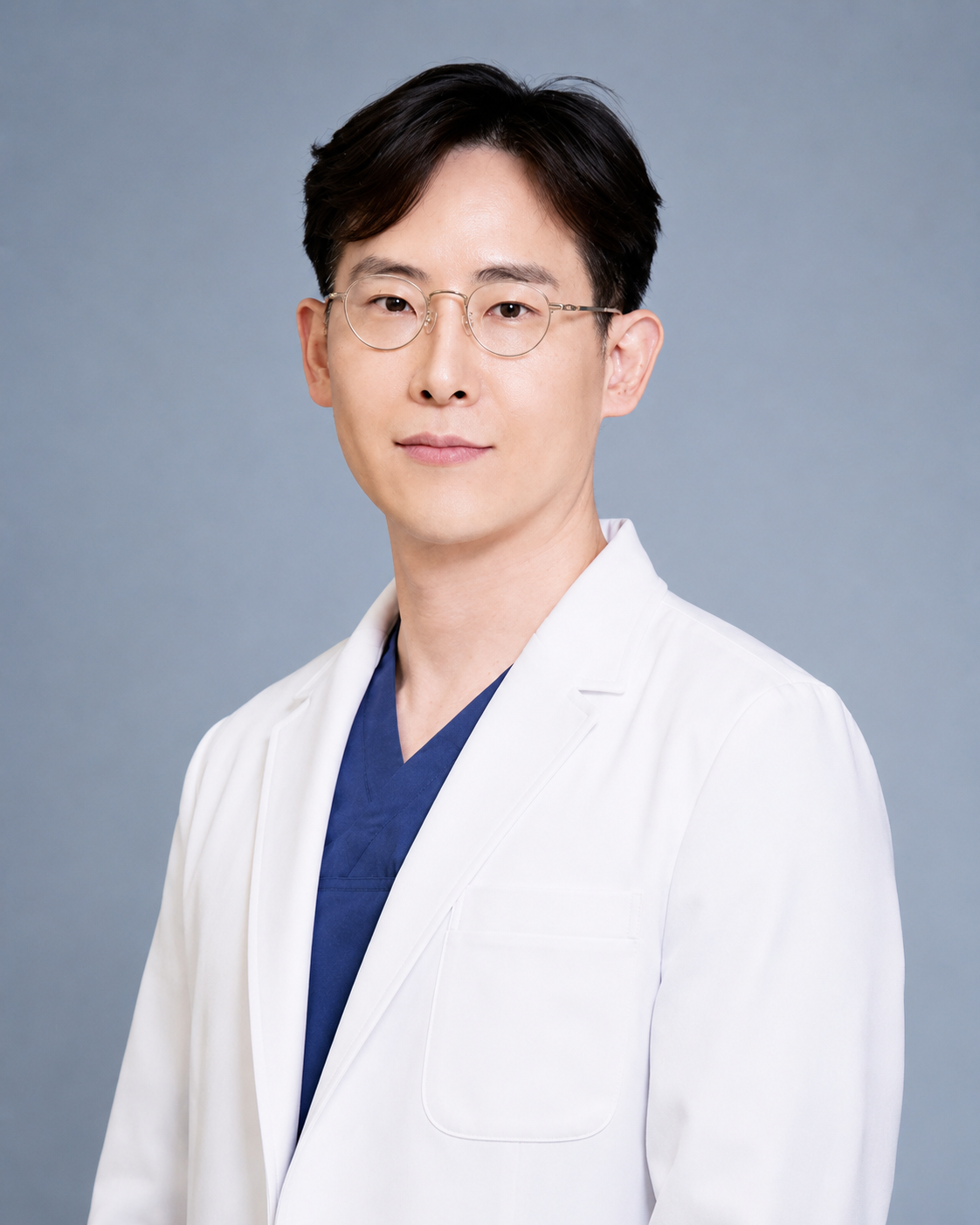
Dr. Jin Tae-wan, Deputy Managing Director at JRYN Seomyeon Busan
Vice Managing Director · Seomyeon Main Branch

Dr. Jin Tae-wan

  • Former Director of Dermatology, MediWoman Women's Clinic
  • Former Director of Dermatology, Hangdo Quantum Clinic
  • Former Chief Director, AGE Clinic (formerly Paresa Clinic)
  • Former Chief Director, One Clinic (Guro)
  • Former Director, One Clinic (Gangnam)
  • Former Chief Director, SKY Plastic Surgery (Jongno)
  • Former Visiting Physician, Guangfu Aesthetic Plastic Surgery Hospital (Dalian, China)
  • Former Associate Director, Tokeshi Plastic Surgery
  • Former Associate Director, Midam Dermatology Clinic
  • Former Associate Director, Noble Line Plastic Surgery
  • Former Associate Director, Jeniva Plastic Surgery
  • Former Military Flight Surgeon, ROK Army Aviation Operations Command
  • Former Intern & Resident, Kangdong Sacred Heart Hospital
Quick Answers

Why does less residual heat matter on Asian skin?

Because post-inflammatory hyperpigmentation is driven by inflammation, and conducted heat is what drives inflammation after ablative work. A CO2 laser leaves a zone of thermal damage around each column that keeps the skin inflamed while it heals — useful for collagen contraction, costly in pigment risk. Er:YAG at 2940nm spends nearly all its energy vaporising water at the surface, so that zone is far thinner. At our Busan clinic this is the specific reason Fotona is our default resurfacing choice for pigment-prone skin, with CO2 reserved for depth that genuinely requires it.

How many days will I actually look treated?

Three to five, honestly, and the pattern is predictable. Day zero and one: flushed, warm, sandpaper-textured, mild swelling by evening. Days two to five: flaking, which is the untidy part and the part you should not touch. From day four most patients apply make-up normally. Compared with a CO2 week that is a meaningful difference for anyone with a working calendar, and it is why the course model — three to four gentler sessions rather than one heavy one — suits most schedules better.

Everything Else You Might Ask

Fotona fractional questions in Busan.

₩200,000 per session on the published list, with a three-to-four-session course written at the exam. No foreigner markup.

Yes — English, Japanese (日本語) and Chinese (中文). We are a 5-minute walk from Seomyeon Station Exit 2, and course photos are reviewed on WhatsApp after you fly home from Busan.

A 2940nm laser wavelength we run at our Busan clinic, absorbed by water more strongly than any other resurfacing wavelength, which lets it ablate tissue precisely while leaving minimal residual heat behind.

Surface texture, roughness, pore appearance, fine lines and superficial scarring. Deep pitted scars are routed to CO2 or a staged scar program.

Under thirty minutes of topical numbing, sessions read as heat and prickling. The healing days are itchy rather than painful.

Three to five days: flushing and sandpaper texture, then flaking. Most patients wear make-up normally from day four.

Three to four, four weeks apart, with the count written before you start. Collagen keeps building between sessions.

Surface smoothness within two weeks of each session; the collagen-driven change builds over four to eight weeks and accumulates across the course.

It is among the safer ablative options precisely because of the low residual heat — the driver of PIH risk. Settings are type-matched and a strict no-tan rule applies at our Busan clinic.

Superficial and rolling texture responds well to Er:YAG; sharp pitted scars need CO2 depth. The grading says which, and mixed cases sequence both.

It refines pore rims by ablation and adds a collagen response beneath. Structurally slackened pores may also want RF microneedling — the pore reading decides.

Yes — texture and pore courses book steadily among men at our Busan clinic, with beard-zone healing accounted for.

Yes — you can fly out of Busan the same day. Flaking travels fine with ointment and SPF; photos continue by message.

Sun for two weeks, retinoids for a few days, and any active infection or irritation on the treatment zone.

Scrubbing or picking flakes, sauna and swimming until the surface closes, and unprotected sun throughout the course.

Visibly smoother texture, finer pore appearance and softened fine lines across a three-to-four-session course in raking-light photos. What no honest clinic promises: deep pits erased by a surface tool, one-session resurfacing, or results without sun discipline.

More Resurfacing at JRYN

Explore other options in Busan.

JRYN Dermatology — Seomyeon 4F, Samjeong Tower, 672 Jungang-daero, Busanjin-gu, Busan 47291, South Korea · Consultations in English, Japanese (日本語) and Chinese (中文) · 5 minutes from Seomyeon Station Exit 2 · Directions & hours

JRYN Seomyeon · 4F Samjeong Tower, 672 Jungang-daero · 5 min from Seomyeon Station Exit 2 · inside Seomyeon Medical Street · open through lunch, seven days a week
Ready When You Are

Grade your texture
before you fly.

Send a photo and your Busan travel dates on WhatsApp. We'll reply in English with an honest read of what suits you — and a realistic plan for your trip.

Medical information on this page is general education, reviewed by Dr. Jeong Heon Lee, MD. Individual grading, session counts and pricing are confirmed at an in-person consultation at JRYN Dermatology, Busan Seomyeon. Results and timelines vary by individual.