4F, Samjeong Tower, 672 Jungang-daero, Busanjin-gu, Busan, Korea
How It Works · Seomyeon, Busan · Foreigner-Friendly
Facial ageing in Busan Seomyeon, and the four layers it happens in.
Skin, fat, muscle and bone all change, at different rates and in different directions. Almost every disappointing result comes from treating one layer when the appearance was produced by two or three.
Patients describe a face that looks tired or fallen and clinics respond with the treatment they sell most. Understanding the four layers explains why the same complaint needs different answers on different faces.
Does This Sound Familiar?
What patients notice about ageing
I look tired even when I am not.
Everything seems to have moved downward.
My cheeks look flat where they used to be full.
It happened faster in the last two years.
I had one treatment and it helped, but not enough.
All five come up most weeks, and the last one usually means a second layer went untreated. The sections below take them in order of depth.
Layer one — skin
The most visible and the first to change. Collagen declines from the mid-twenties, elastin degrades with UV, and the barrier becomes less resilient — producing thinning, laxity, fine lines and the loss of even light reflection that reads as dull. This layer responds to boosters, laser
and the dermal component of energy devices
— see how collagen treatment works.
Layer two — fat
The layer most responsible for looking tired. Facial fat sits in discrete compartments that shrink and descend at different rates — deep midface first, then temples and under-eye. As the deep compartments empty, the superficial ones slide downward, which produces both the hollowing above and the heaviness below. This is filler
and stimulator
territory — see weight loss and facial volume.
Layer three — muscle
The layer most often left out. Facial muscles lose tone and density like any other, reducing the support they provide to the tissue above. Some muscles also become chronically overactive, deepening lines through repetition. That split is why the layer needs two different approaches — relaxation for the overactive with botox, and stimulation for the weakened with EMFACE
— see EMFACE and treating muscle.
Layer four — bone
The layer nothing non-surgical reaches, and the one that changes more than people expect. The orbital rim widens, the maxilla recedes, and the mandible loses height and angle definition over decades. That is why a face can lose structure without losing weight, and why volume placed on bone in the midface restores support that the bone itself no longer provides — a compensation rather than a correction.
Why does the visible complaint mislead?
Because the eye lands where the change shows rather than where it started. A deepening fold, a shadow under the eye, a softening jawline — each of these is a surface consequence of something that happened one or two layers down, and each has a treatment named after it that patients reasonably search for. Filling the fold, filling the shadow and tightening the jaw all address the symptom directly, which is why they are the most requested treatments and also the most frequently redirected during consultation.
Treating one when three changed is why results underwhelm
How is each layer actually assessed?
Physically, in about two minutes. Skin is pinched to judge thickness and elastic recoil. Fat is assessed upright and lying down, since gravity separates loss from descent. Muscle is watched in movement and at rest, which distinguishes overactive from weakened. Bone is palpated at the orbital rim, the maxilla and the mandibular angle. Four checks that between them explain most of what a patient came in about — and that no photograph, however good, can substitute for.
Why the layers interact
Because each supports the one above it. Bone resorption removes the platform fat sits on; emptied fat compartments remove the support skin rests against; weakened muscle reduces the lift holding both. A change at any depth shows at the surface, which is why the visible complaint rarely points at the layer that caused it — see nasolabial folds.
Why the late thirties feel sudden
Because several layers cross a visibility threshold together. Collagen has been declining for a decade, deep fat compartments have been shrinking in parallel, and neither is noticeable until the combined effect changes how a face photographs. The process took fifteen years; the recognition takes a weekend — see what matters at 25, 35 and 45.
Why treating one layer underwhelms
Because the appearance came from more than one. Tightening
a face that is hollow produces a taut hollow face. Filling a face that has descended produces a fuller descended face. Both treatments worked; neither addressed what the patient was actually seeing. This is the most common reason a correctly performed treatment disappoints — see combining treatments.
How a plan is built across layers
Deepest structural need first, surface last. Volume before lifting, because restoring support changes how much tightening is required. Lifting before skin quality work, since the surface is easier to judge once the contour is settled. Muscle at either end depending on whether it is overactive or weak. That sequence is why a plan sometimes starts with the thing you did not come in about.
What this means for a single-treatment budget
That the ranking question matters more than the treatment choice. Ask which layer is contributing most to what bothers you, and treat that one properly rather than distributing across three. One layer addressed adequately produces a visible change; three addressed inadequately produces very little — see cheap or premium. Where a plan covers several layers and the budget covers one, the honest recommendation is which single item to take now and which to leave until later rather than a diluted version of everything.
Our Medical Team
Who will actually treat you at JRYN Seomyeon?
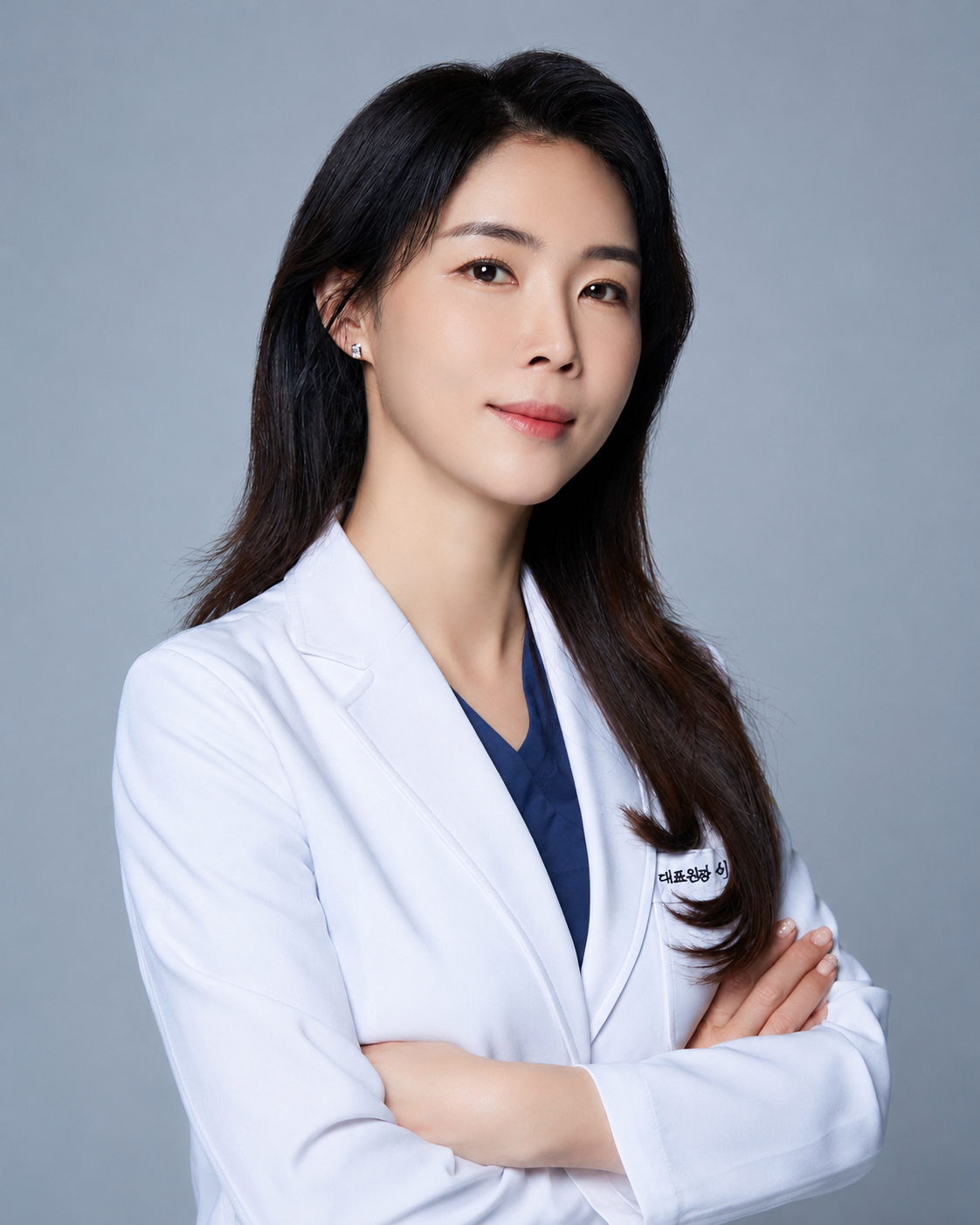
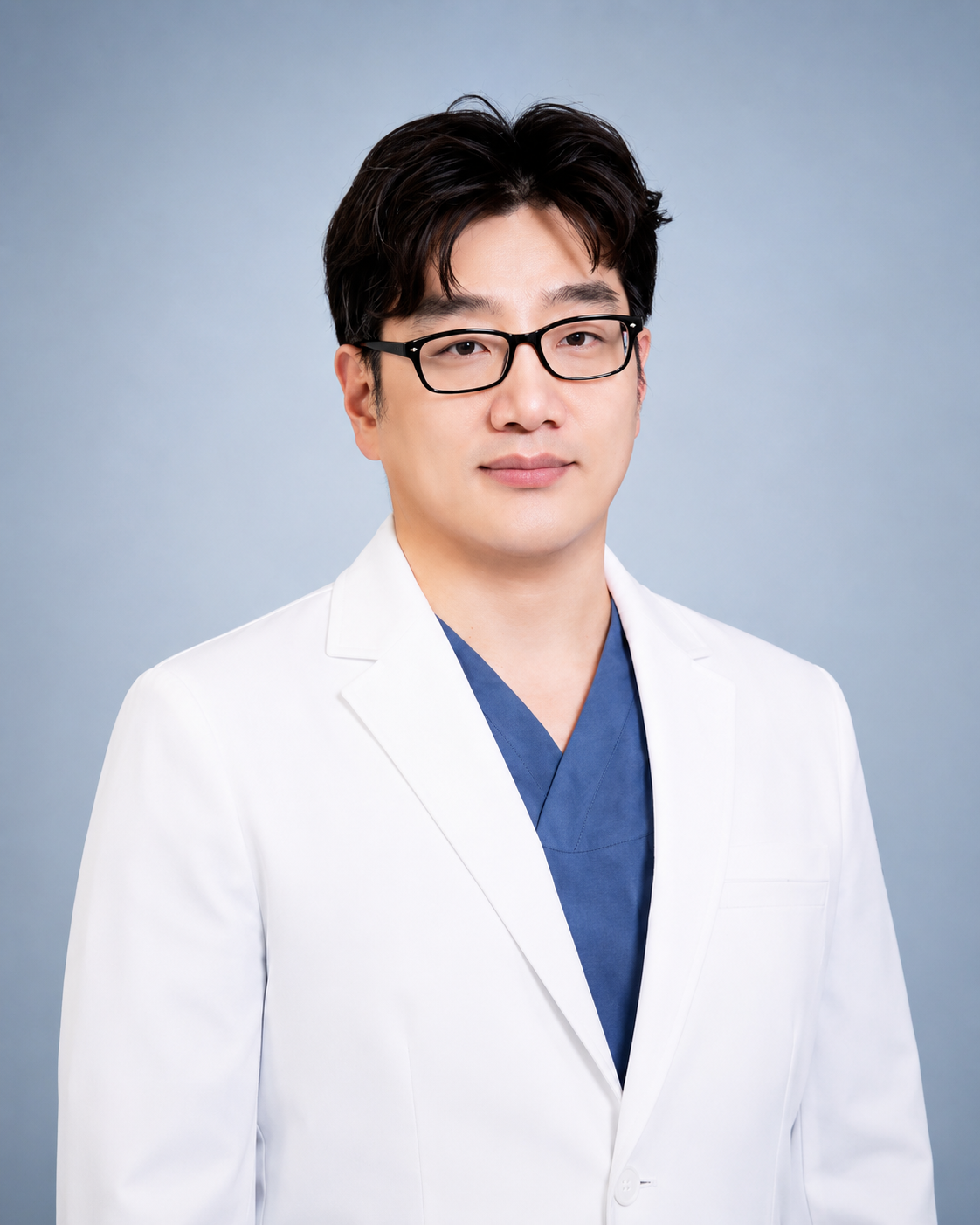
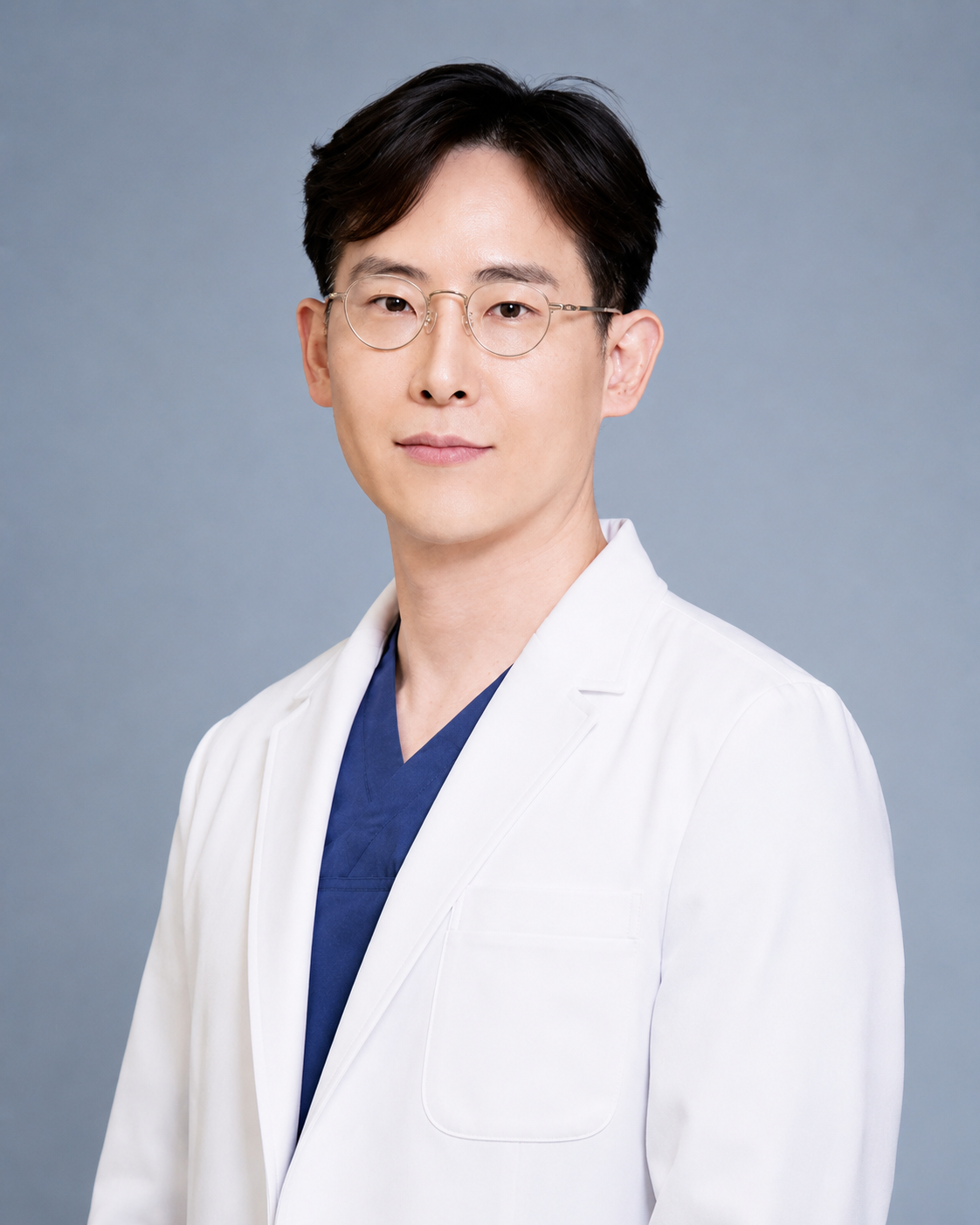
A doctor, in person, every time — never a nurse or a coordinator. JRYN Seomyeon has three doctors, and the clinic was founded by Dr. Jeong Heon Lee, who still consults here. What you actually need is decided during the consultation after your skin is examined, not from a fixed package chosen in advance.
Three doctors, one standard of care.
Every treatment plan at JRYN Seomyeon is decided and performed in person by one of our doctors — led by Dr. Jeong Heon Lee, founder of JRYN Dermatology.
From the Founder
The consultation is the treatment.
Most patients arrive asking for a specific treatment. My job is to check whether it is the right one for what they actually have. Getting that wrong is the most common mistake I correct.
Graduated from Inje University
Current Head of the JRYN Network
Current Chief Director of JRYN Seomyeon
Former Chief Director of Lin Clinic
Former Chief Director of Centum Lin Clinic
Managing Director · Seomyeon Main Branch
Dr. Yoon Jung-wook
Full Member, Korean Society of Aesthetic Plastic Surgery
Full Member, Korean Society for Aesthetic Plastic Surgery & Laser Medicine
Full Member, Korean Society of Obesity & Body Contouring
Former Neurosurgery Resident (3rd Year), Dong-A University Hospital
Former Intern, Dong-A University Hospital
Former Chief Director, Forever Plastic Surgery & Dermatology (Changwon)
Former Chief Director, Lovely Plastic Surgery & Dermatology (Changwon)
Former Director, Insta Plastic Surgery & Dermatology (Gimhae)
Former Director, Dr. Yoon Beauty Center (Vietnam)
Vice Managing Director · Seomyeon Main Branch
Dr. Jin Tae-wan
Former Director of Dermatology, MediWoman Women's Clinic
Former Director of Dermatology, Hangdo Quantum Clinic
Former Chief Director, AGE Clinic (formerly Paresa Clinic)
Former Chief Director, One Clinic (Guro)
Former Director, One Clinic (Gangnam)
Former Chief Director, SKY Plastic Surgery (Jongno)
Former Visiting Physician, Guangfu Aesthetic Plastic Surgery Hospital (Dalian, China)
Former Associate Director, Tokeshi Plastic Surgery
Former Associate Director, Midam Dermatology Clinic
Former Associate Director, Noble Line Plastic Surgery
Former Associate Director, Jeniva Plastic Surgery
Former Military Flight Surgeon, ROK Army Aviation Operations Command
Former Intern & Resident, Kangdong Sacred Heart Hospital
Before You Book
Questions patients ask first.
Not directly without surgery. Volume placed deep on bone compensates for the lost platform, which is why midface and chin filler produce structural rather than merely fuller results — see chin filler.
Skin visibly, fat functionally. Skin changes are noticed first; fat redistribution produces the larger structural difference over the same period.
Fat directly and dramatically, skin indirectly as it loses the support beneath it. Muscle and bone are unaffected by weight change — see weight loss and facial volume.
Genetics sets the pattern and timeline; sun exposure, smoking and weight fluctuation move it forward by years. Two people the same age with different histories need different plans.
Slow it. Sun protection is the largest modifiable factor by a wide margin, followed by not smoking and stable weight — see sun protection.
Because gravity is removed, which isolates descent from volume loss. If it looks markedly better horizontal, the dominant issue is tissue that has fallen rather than tissue that has gone.
Yes, with thicker skin and higher baseline bone mass, so structural change appears later and skin change is slower — see skin treatments for men.
Whichever is contributing most, assessed physically rather than assumed. That is the entire purpose of the examination — see how a consultation works.
Doctor-led planning across six categories. Foreign patients pay the same as local patients — what changes a final figure is units and area, never nationality.
JRYN Seomyeon
· 4F Samjeong Tower, 672 Jungang-daero · 5 min from Seomyeon Station Exit 2 · 2 min from Seomyeon Mall Exit 16 · 6 min from Lotte Department Store Busan Main · 8 min from Jeonpo Cafe Street · inside Seomyeon Medical Street · open through lunch, seven days a week
Ready When You Are
Send your dates, get a plan before you fly.
Message us on WhatsApp with what you would like to address and when you will be in Busan. You will get an honest read in your language — including whether the treatment you have in mind is the right one.