4F, Samjeong Tower, 672 Jungang-daero, Busanjin-gu, Busan, Korea
Language · Seomyeon, Busan · Foreigner-Friendly
Translators at a Busan Seomyeon clinic, and when you actually need one.
Most patients do not, and a few situations where one genuinely helps. This explains what "English-speaking clinic" means in practice in Korea, how to check it before booking, and why bringing a friend to translate occasionally makes a consultation worse rather than better.
Consultations run in your language, not through an app
On This Page
What does "English-speaking clinic" actually mean in Korea?
Who actually speaks your language at JRYN Seomyeon?
Should I bring a friend to translate?
When does a translator genuinely help?
What happens if I do not understand something mid-consultation?
Is the aftercare explained in my language too?
What if English is not my first language either?
How do I check a clinic's language support before travelling?
Does language support change what treatment I should have?
Clinic websites across Korea say they offer foreign-language service, and the phrase covers everything from a fluent coordinator sitting in on the consultation to a receptionist holding up a phone. The difference matters most at exactly the point where you are deciding what to have done.
Does This Sound Familiar?
What visitors ask about language
The site says English-speaking. Does that mean the doctor speaks English?
Should I bring a Korean friend to help?
What if I do not understand something mid-consultation?
Is the aftercare explanation also in my language?
My English is not fluent either. Does that matter?
All five come up most weeks. The second one has the answer that surprises people most, and the sections below take them in order.
What does "English-speaking clinic" actually mean in Korea?
It ranges widely and the term is not regulated. At one end, a coordinator fluent in your language sits in on the consultation and works alongside the doctor in real time. At the other, a receptionist uses a translation app for the booking and the consultation itself happens in Korean with whatever gets through. Both describe themselves the same way on a website. The distinction only becomes obvious once you are in the room, which is late.
Who actually speaks your language at JRYN Seomyeon?
Coordinators for English, Japanese, Traditional Chinese and Simplified Chinese, working with the doctor during the consultation rather than translating afterwards. That is the practical arrangement in most Korean clinics that genuinely serve foreign patients — the doctor examines and decides, the coordinator ensures the conversation is complete in both directions. What matters is that questions get asked and answered fully, not which individual is bilingual.
Should I bring a friend to translate?
Usually not, and this surprises people. A friend translating in good faith summarises — they compress a doctor's explanation of why filler is wrong for your under-eyes into "he says filler is not good for you", and the reasoning that would have let you understand the alternative disappears. Medical detail suffers most in exactly the places you need it. A companion for support is welcome; a companion as the language channel usually costs you information.
When does a translator genuinely help?
Three situations. When your consultation involves a complex medical history that needs precision — autoimmune conditions, previous surgery, medication lists. When you are making a decision about something irreversible like collagen stimulators
or threads
and want certainty about every detail. And when your own language is not among those the clinic supports, in which case a professional interpreter rather than a friend is the right answer.
The doctor and coordinator work together, not in sequence
What happens if I do not understand something mid-consultation?
Say so, and it gets explained again differently rather than repeated louder. This is worth doing rather than nodding through — the most common consequence of an unclear consultation is not a bad treatment but the wrong one, because you agreed to something you had understood differently. Asking a doctor to explain again is normal in any country and no one here will be impatient about it.
Is the aftercare explained in my language too?
Yes, verbally at the time and in writing afterwards on WhatsApp, LINE or KakaoTalk. That written trail matters more than the spoken explanation, because the questions that arise at eleven at night three days later are the ones you cannot ask in person. Aftercare instructions in a language you half-followed are where most avoidable problems start.
What if English is not my first language either?
It is often fine, and occasionally worth flagging. A consultation in a second language that you both speak reasonably works well for straightforward treatment. Where it starts to matter is around risk, alternatives and the parts of the conversation with nuance — the difference between "this may bruise" and "this bruises in most patients for four to seven days". Tell us at booking and the explanation is given more slowly and in writing as well.
How do I check a clinic's language support before travelling?
Message them and read the reply. A response written by a person in fluent prose, answering the specific question you asked, tells you more than any website claim. A reply that is clearly machine-translated, or that answers a different question, is an accurate preview of the consultation. Ask directly who will be in the room and in which language the examination will be conducted — see booking in English
for what a useful exchange looks like.
Does language support change what treatment I should have?
It should not, and if it does that is a warning sign. A clinic that steers foreign patients toward simpler treatments because explaining the alternatives is harder is making a commercial decision rather than a clinical one. The full range — lifting, lasers, filler, boosters, botox
— is explained the same way regardless of which language the conversation happens in.
Our Medical Team
Who will actually treat you at JRYN Seomyeon?
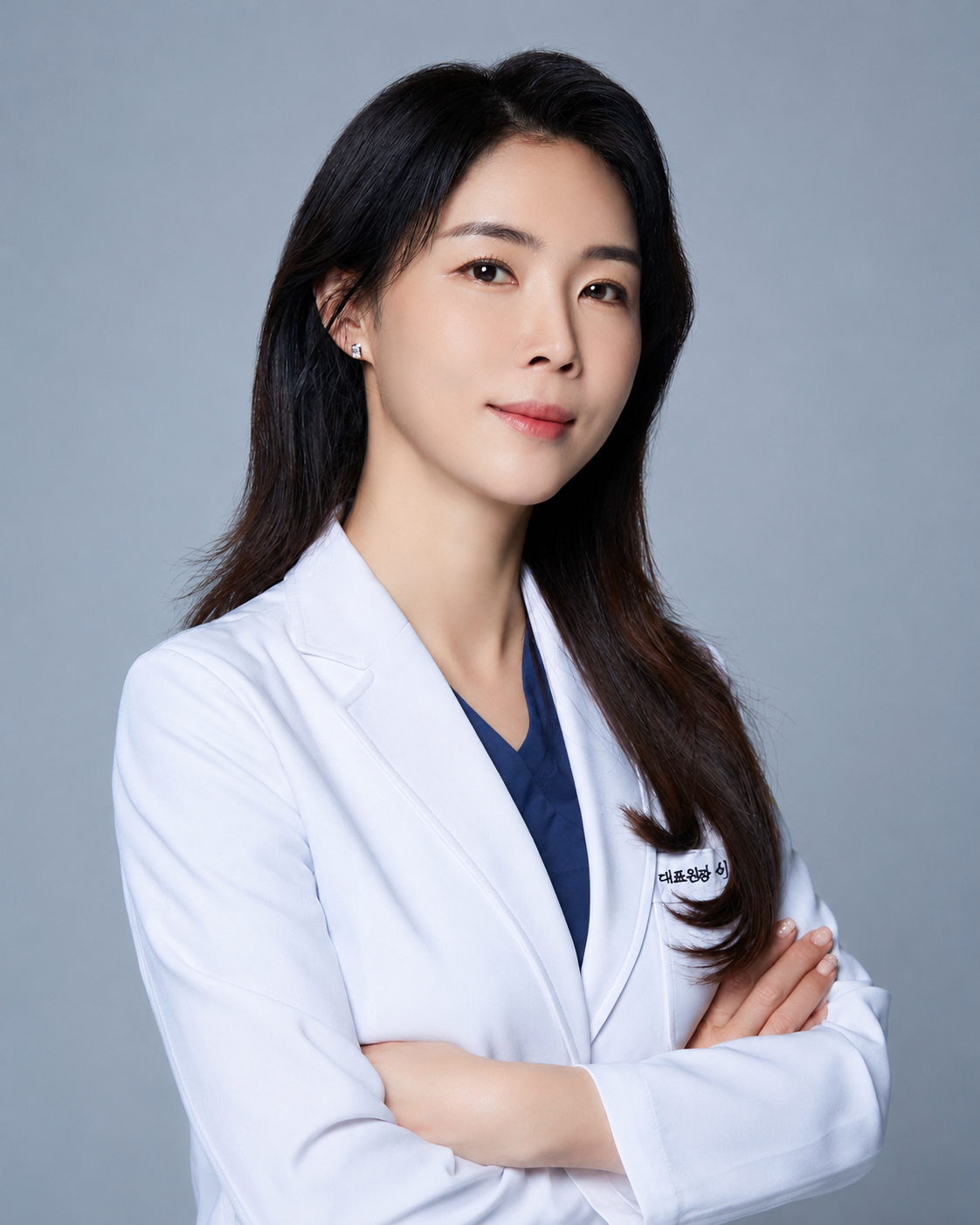
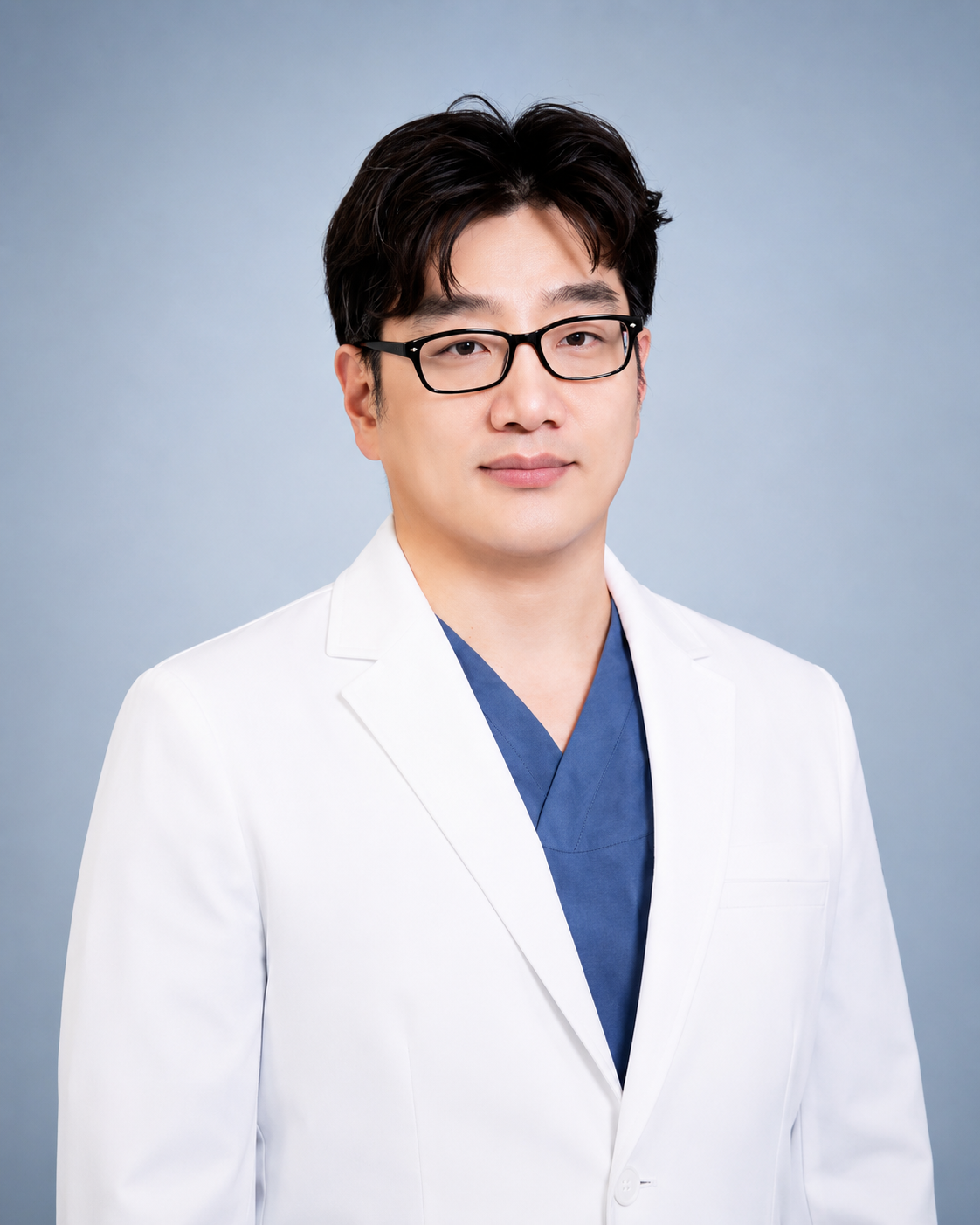
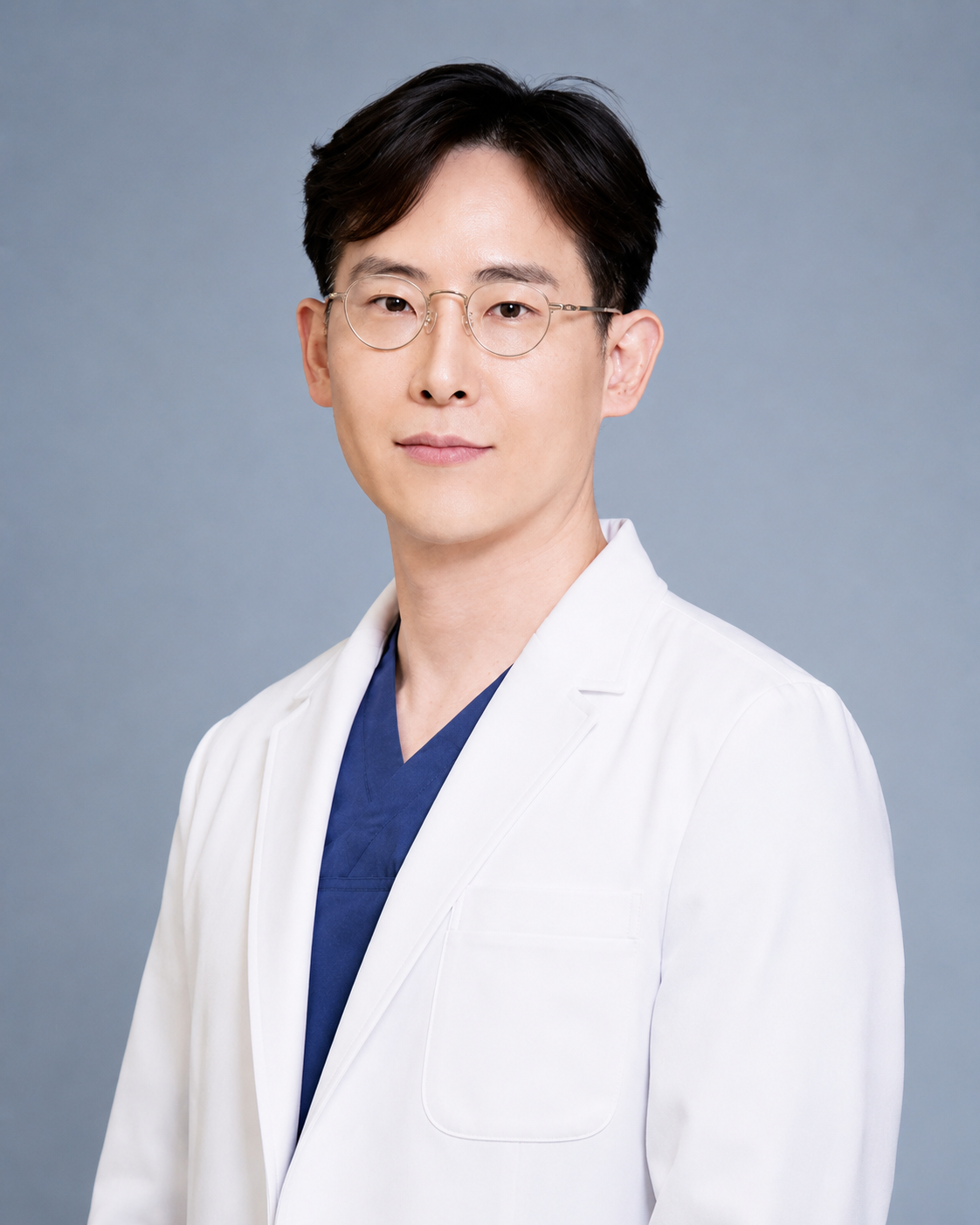
A doctor, in person, every time — never a nurse or a coordinator. JRYN Seomyeon has three doctors, and the clinic was founded by Dr. Jeong Heon Lee, who still consults here. What you actually need is decided during the consultation after your skin is examined, not from a fixed package chosen in advance.
Three doctors, one standard of care.
Every treatment plan at JRYN Seomyeon is decided and performed in person by one of our doctors — led by Dr. Jeong Heon Lee, founder of JRYN Dermatology.
From the Founder
The consultation is the treatment.
Most patients arrive asking for a specific treatment. My job is to check whether it is the right one for what they actually have. Getting that wrong is the most common mistake I correct.
Graduated from Inje University
Current Head of the JRYN Network
Current Chief Director of JRYN Seomyeon
Former Chief Director of Lin Clinic
Former Chief Director of Centum Lin Clinic
Managing Director · Seomyeon Main Branch
Dr. Yoon Jung-wook
Full Member, Korean Society of Aesthetic Plastic Surgery
Full Member, Korean Society for Aesthetic Plastic Surgery & Laser Medicine
Full Member, Korean Society of Obesity & Body Contouring
Former Neurosurgery Resident (3rd Year), Dong-A University Hospital
Former Intern, Dong-A University Hospital
Former Chief Director, Forever Plastic Surgery & Dermatology (Changwon)
Former Chief Director, Lovely Plastic Surgery & Dermatology (Changwon)
Former Director, Insta Plastic Surgery & Dermatology (Gimhae)
Former Director, Dr. Yoon Beauty Center (Vietnam)
Vice Managing Director · Seomyeon Main Branch
Dr. Jin Tae-wan
Former Director of Dermatology, MediWoman Women's Clinic
Former Director of Dermatology, Hangdo Quantum Clinic
Former Chief Director, AGE Clinic (formerly Paresa Clinic)
Former Chief Director, One Clinic (Guro)
Former Director, One Clinic (Gangnam)
Former Chief Director, SKY Plastic Surgery (Jongno)
Former Visiting Physician, Guangfu Aesthetic Plastic Surgery Hospital (Dalian, China)
Former Associate Director, Tokeshi Plastic Surgery
Former Associate Director, Midam Dermatology Clinic
Former Associate Director, Noble Line Plastic Surgery
Former Associate Director, Jeniva Plastic Surgery
Former Military Flight Surgeon, ROK Army Aviation Operations Command
Former Intern & Resident, Kangdong Sacred Heart Hospital
Before You Book
Questions patients ask first.
English, Japanese, Traditional Chinese, Simplified Chinese and Korean. Outside those, written translation is possible but the consultation loses precision, and we say so rather than implying otherwise.
Yes. The doctor examines, decides the plan and performs the treatment. The coordinator handles language and logistics alongside rather than instead — clinical decisions do not get delegated because of a language gap.
Yes, on request. Product, lot, dose and treated area, provided in English. This matters if another doctor may continue your care, and it is worth having regardless.
Bring them. The consultation lounge accommodates a companion and many patients bring one. The point above is about relying on a friend as the translation channel, not about coming alone.
For booking logistics, adequately. For a clinical consultation, poorly — medical nuance is exactly what these tools flatten, and the parts that matter most are the parts that get lost. If a clinic is running your consultation through an app, that is worth knowing before you sit down.
No, and there should not be anywhere. Some clinics fold a coordination fee into foreign patient pricing — see what nobody tells you. Here the published prices
are what local patients pay.
Yes, on WhatsApp, LINE or KakaoTalk, and the reply comes in the same language from a person rather than an automated system. That exchange is also a reasonable test of what the in-person consultation will be like.
Then you are treated exactly as any local patient, which is most of the clinic's work. Nothing about the assessment or pricing differs — the multilingual arrangement exists in addition rather than instead.
Doctor-led planning across six categories. Foreign patients pay the same as local patients — what changes a final figure is units and area, never nationality.
JRYN Seomyeon
· 4F Samjeong Tower, 672 Jungang-daero · 5 min from Seomyeon Station Exit 2 · 2 min from Seomyeon Mall Exit 16 · 6 min from Lotte Department Store Busan Main · 8 min from Jeonpo Cafe Street · inside Seomyeon Medical Street · open through lunch, seven days a week
Ready When You Are
Send your dates, get a plan before you fly.
Message us on WhatsApp with what you would like to address and when you will be in Busan. You will get an honest read in your language — including whether the treatment you have in mind is the right one.