JRYN Dermatology treats foreign patients in Seomyeon, Busan, in English — five minutes from Seomyeon Station Exit 2. Browse by treatment, or read the guides below before you book.
JRYN Dermatology — Seomyeon Main Branch
4F, Samjeong Tower, 672 Jungang-daero, Busanjin-gu, Busan 47291, Korea ·
WhatsApp +82-10-5573-7574
·
KR
Open seven days · walk-in or through lunch · English-speaking coordinators ·
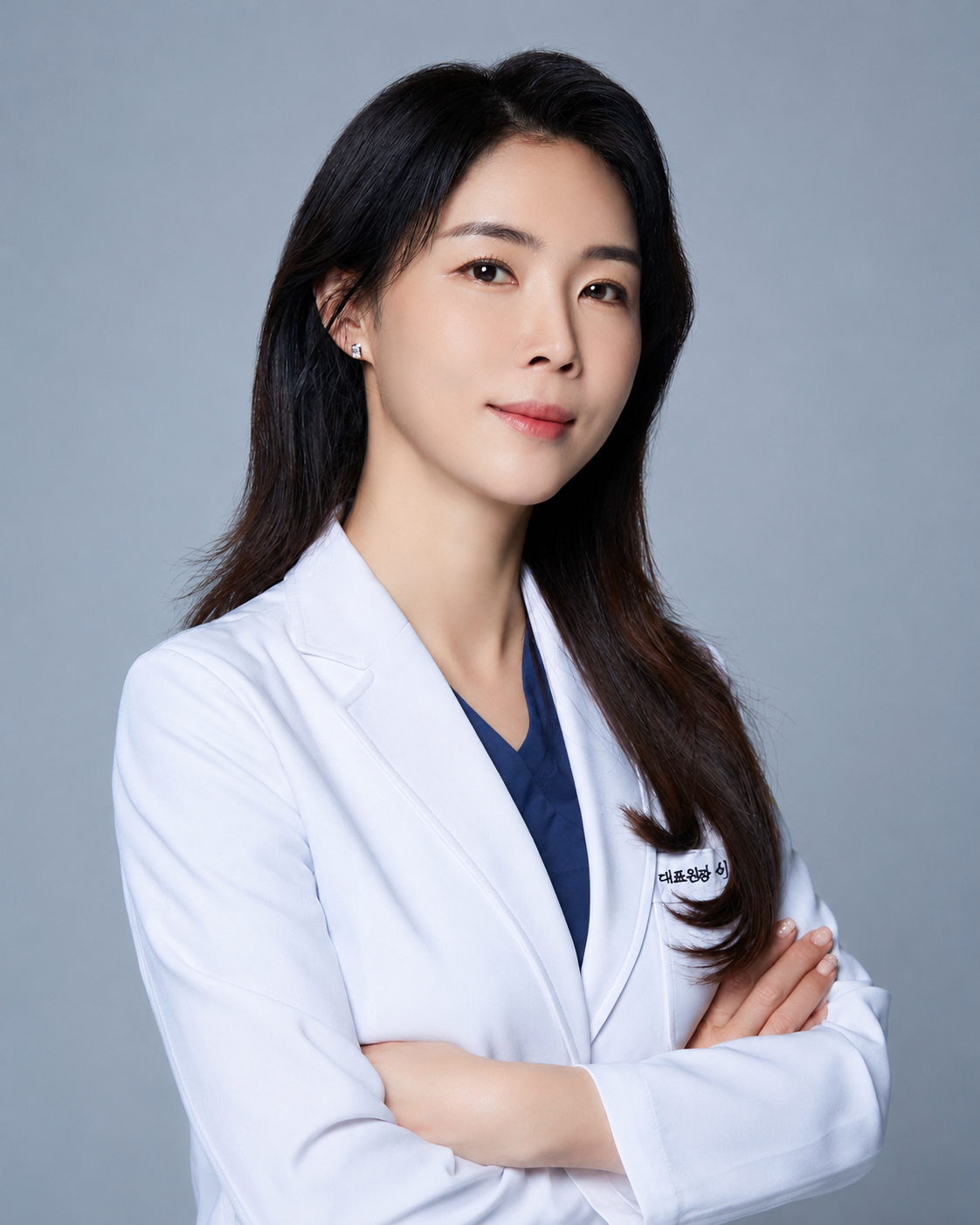
Chief Director Dr. Jeong Heon Lee
4F, Samjeong Tower, 672 Jungang-daero, Busanjin-gu, Busan, Korea
For Visitors · Seomyeon, Busan · Foreigner-Friendly
Busan clinics for darker skin, the questions worth asking first.
Korean clinics treat mostly Fitzpatrick III and IV, and the settings that work beautifully there do not transfer automatically. This guide covers what genuinely changes for darker skin, which treatments carry real risk, and the questions that separate a prepared clinic from a confident one.
Treatments that are safe and treatments that are not
The questions to ask any Korean clinic
Post-inflammatory pigmentation, explained plainly
What we adjust at our Busan clinic
Planning treatment around a trip
Patients with darker skin frequently arrive in Korea having been told either that everything is fine or that nothing can be done, and neither is true. This guide covers the specific mechanisms that change with more melanin, which treatments carry genuine risk, and how to assess a clinic before you sit in the chair.
Does This Sound Familiar?
What visitors with darker skin ask before booking in Korea
Will Korean clinics know how to treat my skin type?
Which treatments should I avoid entirely?
What is post-inflammatory pigmentation and how likely is it?
Can I have laser treatment at all?
How do I check a clinic knows what it is doing?
All five come up almost every week. This page answers them in order, using the same information our coordinators send over WhatsApp before you fly.
What actually changes with darker skin
One mechanism explains almost everything. More melanin in the epidermis means more of it competes for energy meant for a deeper target — and it means inflammation is more likely to trigger pigment production afterwards.
Competition
— surface melanin absorbs energy intended for a hair follicle or a deeper pigment deposit, reducing effect and raising surface risk
Reactivity
— melanocytes in darker skin respond more readily to inflammation by producing pigment
Persistence
— the resulting marks last longer and fade more slowly than they would in lighter skin
That is the whole of it. Everything else in this guide follows from those three facts, and a clinic that understands them will describe them in roughly these terms without prompting.
Darker skin is not fragile. It responds differently to specific energies, and the adjustments are known and routine — where a clinic has made them.
Treatments that are safe and treatments that are not in Busan
Ablative resurfacing — possible with the lowest-heat wavelengths and strict aftercare
Where we decline or defer
IPL on genuinely dark skin — broadband light cannot distinguish your skin from its target
Any laser on recently tanned skin, regardless of baseline type
Aggressive fluence on melasma, which rebounds worse in darker skin than in lighter
The list of what is safe is longer than most patients expect. Injectables and energy lifting sit entirely outside the melanin question, and they account for a large share of what visitors come for.
The questions to ask any Korean clinic
These four can be asked by message before you fly, and the answers are diagnostic.
"What is my Fitzpatrick type, and what wavelength will you use?"
— a prepared clinic answers with a number and a wavelength. An unprepared one reassures.
"Have you treated my skin type on this platform before?"
— honest answers include "rarely, so we will test patch first", which is a good answer.
"Will you do a test patch?"
— for any light-based treatment on darker skin, this should be offered rather than requested.
"What happens if I develop post-inflammatory pigmentation?"
— a clinic with a plan has seen it; a clinic that says it will not happen has not.
The fourth question matters most. PIH is a known, manageable complication rather than a failure, and a clinic willing to discuss its management is telling you it has experience. Confidence that nothing will go wrong is the answer to be wary of.
Post-inflammatory pigmentation, explained plainly
PIH is a brown mark left where skin was inflamed. It is not a scar — the skin surface is intact — and it is not permanent, though it can persist for months.
It follows inflammation of any cause: a laser, a spot, a scratch, a burn
It appears days to weeks after the trigger rather than immediately
It fades over months, faster with sun protection and treatment
The prevention is unglamorous and effective: conservative settings, test patches, strict sun avoidance before and after, and treating any inflammatory condition before adding energy to it. At our Busan clinic those are protocol rather than preference.
If you have had PIH before, say so at the consultation. It is the single most useful thing you can tell a doctor about your skin, and it changes settings immediately.
What we adjust at our Busan clinic
Wavelength selection
— longer wavelengths where surface competition is a concern
Conservative first sessions
— starting below target and building, rather than starting at target
Test patches
— offered as standard on light-based treatment, not on request
Strict two-week no-tan rule
— enforced regardless of baseline skin type or travel inconvenience
Longer intervals
— more time between sessions so any reaction is visible before the next
Routing away from IPL
— where broadband light carries genuine risk, we use a different platform or decline
Arrive untanned.
A week on Korean beaches before your appointment means rescheduling. Plan treatment early in a trip and sun later.
Leave time for a test patch.
Where one is needed, it takes days rather than minutes, so a same-day laser session may not be possible.
Injectables have neither constraint. Botox in Busan
from ₩10,000 and filler from ₩39,000 per cc can be done on any day of any trip regardless of skin type or recent sun, which is why they are frequently the sensible choice for short visits.
Every figure referenced here appears on the published Busan price list, and international patients pay exactly what Korean patients pay.
Our Medical Team
Who will actually treat you at JRYN Seomyeon?
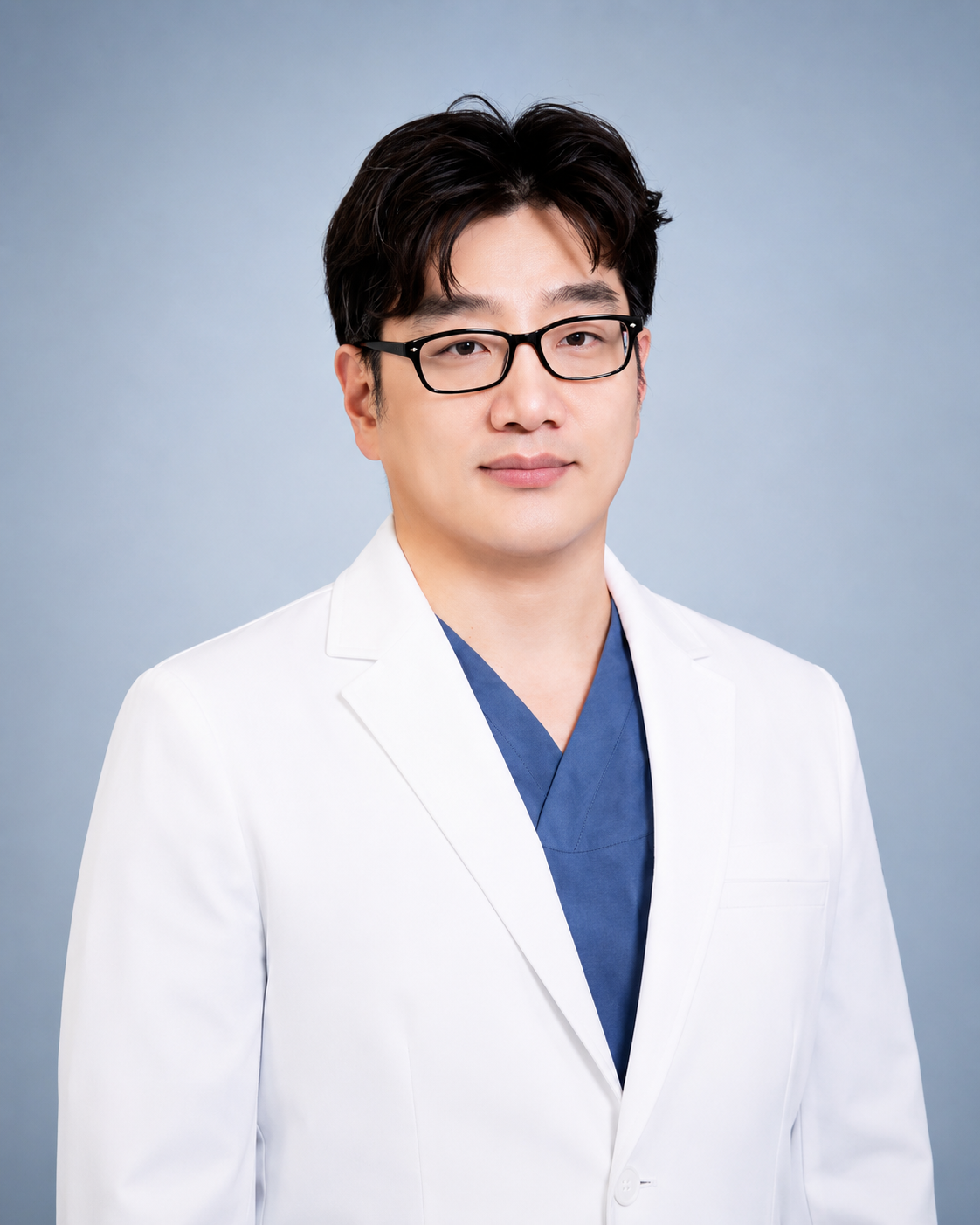
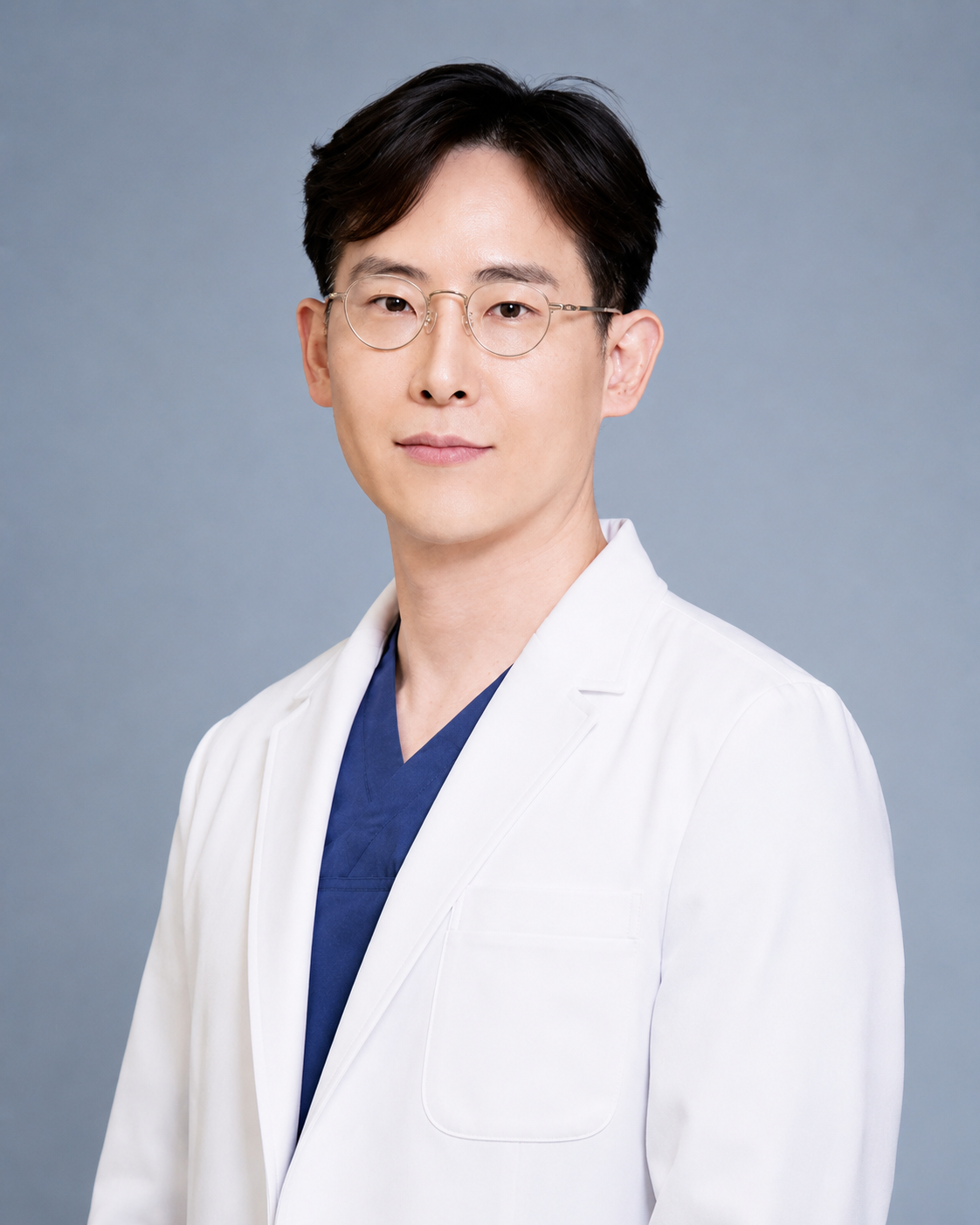
A doctor, in person, every time — never a nurse or a coordinator. JRYN Seomyeon has three doctors, and the clinic was founded by Dr. Jeong Heon Lee, who still consults here. What you actually need is decided during the consultation after your skin is examined, not from a fixed package chosen in advance.
Three doctors, one standard of care.
Every treatment plan at JRYN Seomyeon is decided and performed in person by one of our doctors — led by Dr. Jeong Heon Lee, founder of JRYN Dermatology.
From the Founder
The consultation is the treatment.
Most patients arrive asking for a specific treatment. My job is to check whether it is the right one for what they actually have. Getting that wrong is the most common mistake I correct.
Graduated from Inje University
Current Head of the JRYN Network
Current Chief Director of JRYN Seomyeon
Former Chief Director of Lin Clinic
Former Chief Director of Centum Lin Clinic
Managing Director · Seomyeon Main Branch
Dr. Yoon Jung-wook
Full Member, Korean Society of Aesthetic Plastic Surgery
Full Member, Korean Society for Aesthetic Plastic Surgery & Laser Medicine
Full Member, Korean Society of Obesity & Body Contouring
Former Neurosurgery Resident (3rd Year), Dong-A University Hospital
Former Intern, Dong-A University Hospital
Former Chief Director, Forever Plastic Surgery & Dermatology (Changwon)
Former Chief Director, Lovely Plastic Surgery & Dermatology (Changwon)
Former Director, Insta Plastic Surgery & Dermatology (Gimhae)
Former Director, Dr. Yoon Beauty Center (Vietnam)
Vice Managing Director · Seomyeon Main Branch
Dr. Jin Tae-wan
Former Director of Dermatology, MediWoman Women's Clinic
Former Director of Dermatology, Hangdo Quantum Clinic
Former Chief Director, AGE Clinic (formerly Paresa Clinic)
Former Chief Director, One Clinic (Guro)
Former Director, One Clinic (Gangnam)
Former Chief Director, SKY Plastic Surgery (Jongno)
Former Visiting Physician, Guangfu Aesthetic Plastic Surgery Hospital (Dalian, China)
Former Associate Director, Tokeshi Plastic Surgery
Former Associate Director, Midam Dermatology Clinic
Former Associate Director, Noble Line Plastic Surgery
Former Associate Director, Jeniva Plastic Surgery
Former Military Flight Surgeon, ROK Army Aviation Operations Command
Former Intern & Resident, Kangdong Sacred Heart Hospital
Before You Book
Questions patients ask first.
Yes, with type-matched settings. At our Busan clinic wavelength, fluence and intervals are adjusted, and test patches are offered as standard on light-based treatment.
Injectables, skin boosters and energy lifting carry no melanin-related risk. Light-based treatment requires careful wavelength selection and conservative settings.
On genuinely dark skin, yes — broadband light cannot distinguish your skin from its target. At our Busan clinic we route those cases to a different platform or decline.
A brown mark left where skin was inflamed. Not a scar, not permanent, but slower to fade in darker skin. It is manageable and treatable.
Ask what wavelength they will use and what they do if PIH develops. A clinic with a plan has seen it; one that says it cannot happen has not.
Yes with longer wavelengths and conservative settings. Ask which wavelength will be used and whether your skin type has been treated before.
Yes, at our Busan clinic without exception. Tanned skin absorbs energy meant for the target and raises risk sharply regardless of baseline type.
In settings yes, because your skin requires it. In price no — international patients pay exactly what Korean patients pay on the published list.
Doctor-led planning across six categories. Foreign patients pay the same as local patients — what changes a final figure is units and area, never nationality.
JRYN Seomyeon
· 4F Samjeong Tower, 672 Jungang-daero · 5 min from Seomyeon Station Exit 2 · 2 min from Seomyeon Mall Exit 16 · 6 min from Lotte Department Store Busan Main · 8 min from Jeonpo Cafe Street · inside Seomyeon Medical Street · open through lunch, seven days a week
Ready When You Are
Send your dates, get a plan before you fly.
Message us on WhatsApp with what you would like to address and when you will be in Busan. You will get an honest read in your language — including whether the treatment you have in mind is the right one.