4F, Samjeong Tower, 672 Jungang-daero, Busanjin-gu, Busan, Korea
Courses · Seomyeon, Busan · Foreigner-Friendly
Treatment courses in Busan Seomyeon, and which ones are genuinely necessary.
Some treatments work in one visit and some cannot. This explains the biology behind each course, why the intervals are what they are, and how to distinguish a clinical requirement from a commercial package.
Intervals exist for biological reasons, not scheduling ones
On This Page
Which treatments genuinely need a course?
Which treatments work in a single session?
Why can sessions not be closer together?
Can I do one session and see how it goes?
How do I tell a real course from a package?
What if I am only in Busan for a week?
What happens if I stop halfway?
Do the sessions get easier or more effective?
How should a course be scheduled around life?
A course sold as necessary when it is not is one of the more expensive things a patient can be talked into. A course refused when it is necessary is one of the more disappointing. Knowing which treatments genuinely need repetition, and why, protects against both.
Does This Sound Familiar?
What patients ask about courses
How do I know a course is genuinely needed?
Can I just do one session and see?
Why can I not have them closer together?
I am only here for a week. Is a course pointless?
What happens if I stop halfway?
All five come up most weeks, and the third has an answer rooted in biology rather than scheduling. The sections below take them in order.
Which treatments genuinely need a course?
Four groups. Melasma
at eight to fifteen sessions, because it is managed rather than cured and low energy is the only safe approach. Acne scarring
at four to six, because collagen remodelling is cumulative. Polynucleotide boosters
at three to four, because the repair signal compounds. And pico toning
at three to ten depending on what is being cleared. Each has a biological reason rather than a commercial one.
Which treatments work in a single session?
Botox
in every area — one visit, full effect, repeat when it wears off. Filler
with a two-week refinement rather than a course. Energy lifting, where one adequate session produces a genuine result and a second is optional rather than required. Mole removal, usually one pass per lesion. If any of these is presented to you as needing a package of six, that is a structure rather than a requirement.
Why can sessions not be closer together?
Because the interval is what the tissue needs, not what the schedule allows. Collagen remodelling after resurfacing
takes four to six weeks to complete, and treating over incomplete healing raises pigmentation risk without adding effect. Pigment fragments need two to four weeks to clear before the next pass has anything new to target. Shortening these does not accelerate the result — it reliably makes it worse on higher Fitzpatrick types.
Can I do one session and see how it goes?
Yes for most courses, and it is a reasonable way to start. One session of Rejuran
or toning produces a modest genuine effect and tells you how your skin responds, which is useful information before committing further. What one session does not do is deliver what the course is capable of, and a clinic implying otherwise is overselling. For melasma
specifically, a single low-energy session shows almost nothing and that is expected.
Session counts are stated at the outset, not accumulated
How do I tell a real course from a package?
Three tests. Is the session count stated at the outset with the total, or discovered gradually as each visit produces less than implied. Is there a biological reason given for the interval, or is it simply the next available slot. And is payment per session or demanded upfront at a discount that only works if you commit today. A genuine course survives all three questions comfortably — see what a no-upsell policy means.
What if I am only in Busan for a week?
Then a course is not achievable and we will say so rather than starting one. What a week does accommodate is a single session with a plan documented well enough for another doctor to continue, or a different treatment that works as a one-off and gives you more for the trip. Starting a six-session course you cannot finish is worse value than one adequate lifting
session — see the five-day itinerary.
What happens if I stop halfway?
You keep what has been built and lose what has not. Half a scar course
produces roughly half the improvement and nothing regresses. Half a melasma course
lightens somewhat and will recur without maintenance, which it would anyway. Nothing gets worse for stopping — the loss is opportunity rather than damage, and resuming later is straightforward.
Do the sessions get easier or more effective?
Both, usually. Later sessions in a course are often more comfortable because the skin has adapted and because you know what to expect. They are also frequently more effective, since each builds on collagen or barrier improvement from the last — which is why judging a course from session one underestimates it. This is the same effect that makes second-round lifting
hold longer than the first.
How should a course be scheduled around life?
Around the season for pigment work — late autumn through early spring in Korea, when ambient UV is lowest and sun avoidance is easier. Around events with three weeks of margin at minimum. And around your ability to attend, which matters more than the ideal interval: a course completed at slightly longer gaps beats one abandoned at the right ones. Tell us your constraints and the plan is built to them rather than to a template.
Our Medical Team
Who will actually treat you at JRYN Seomyeon?
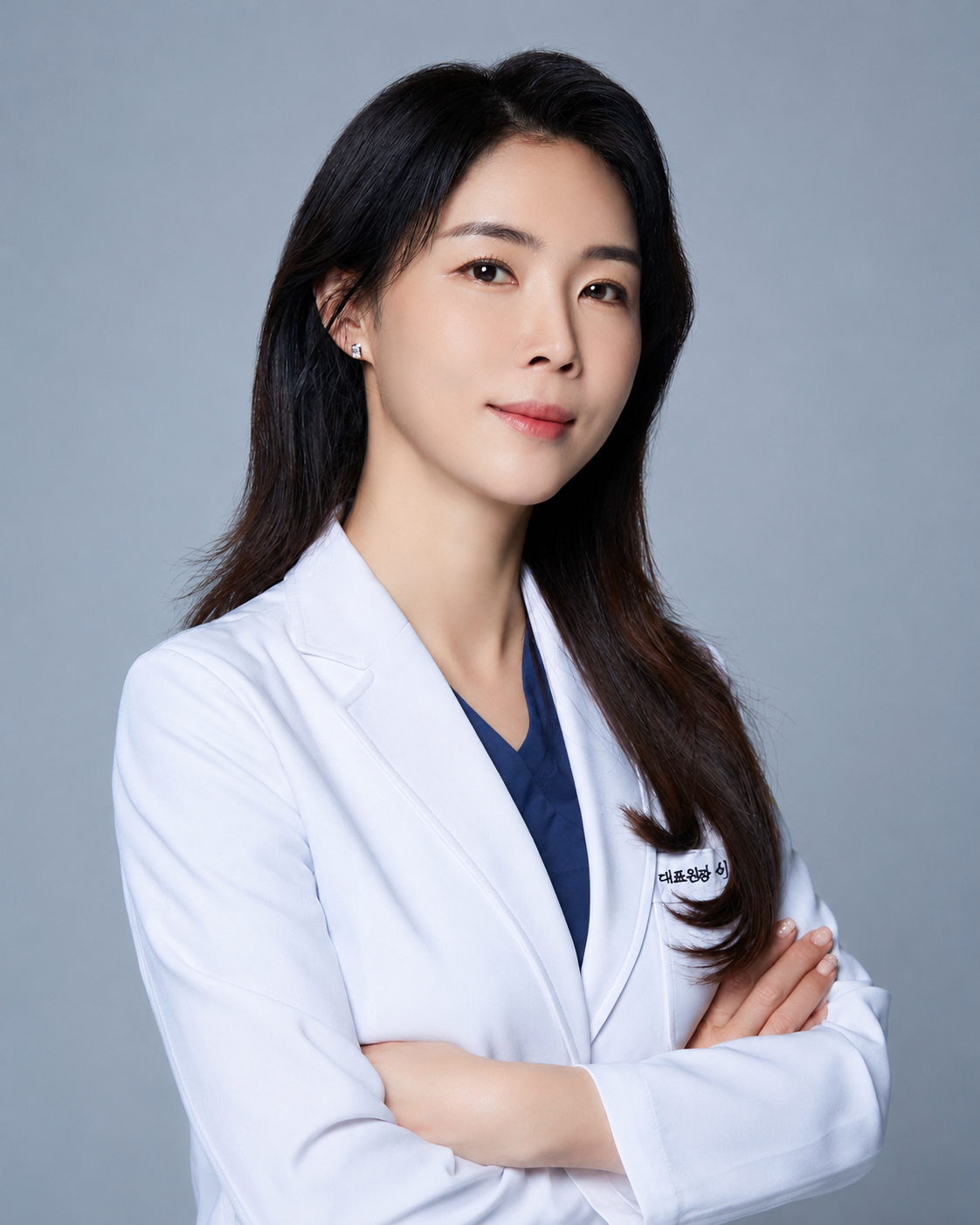
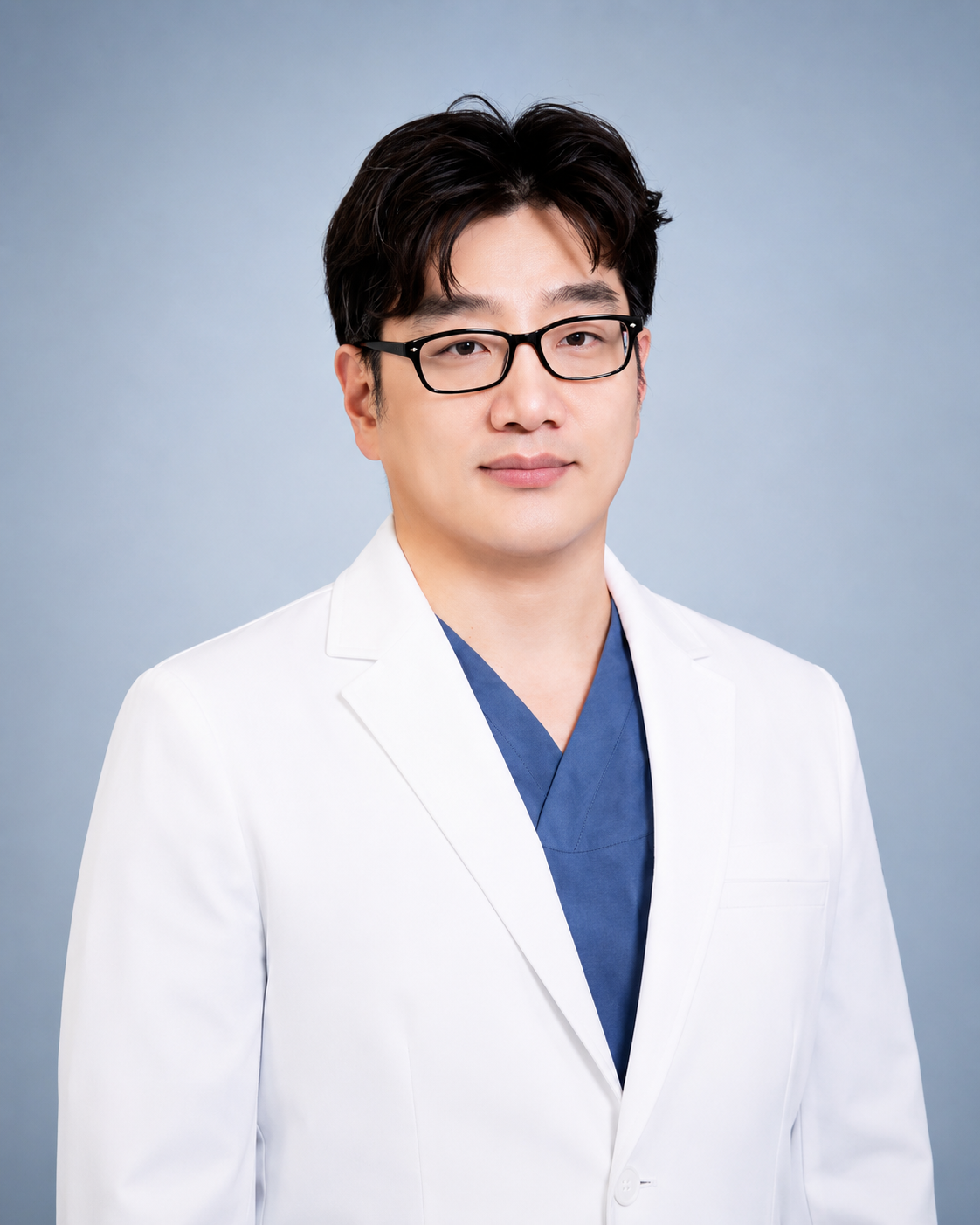
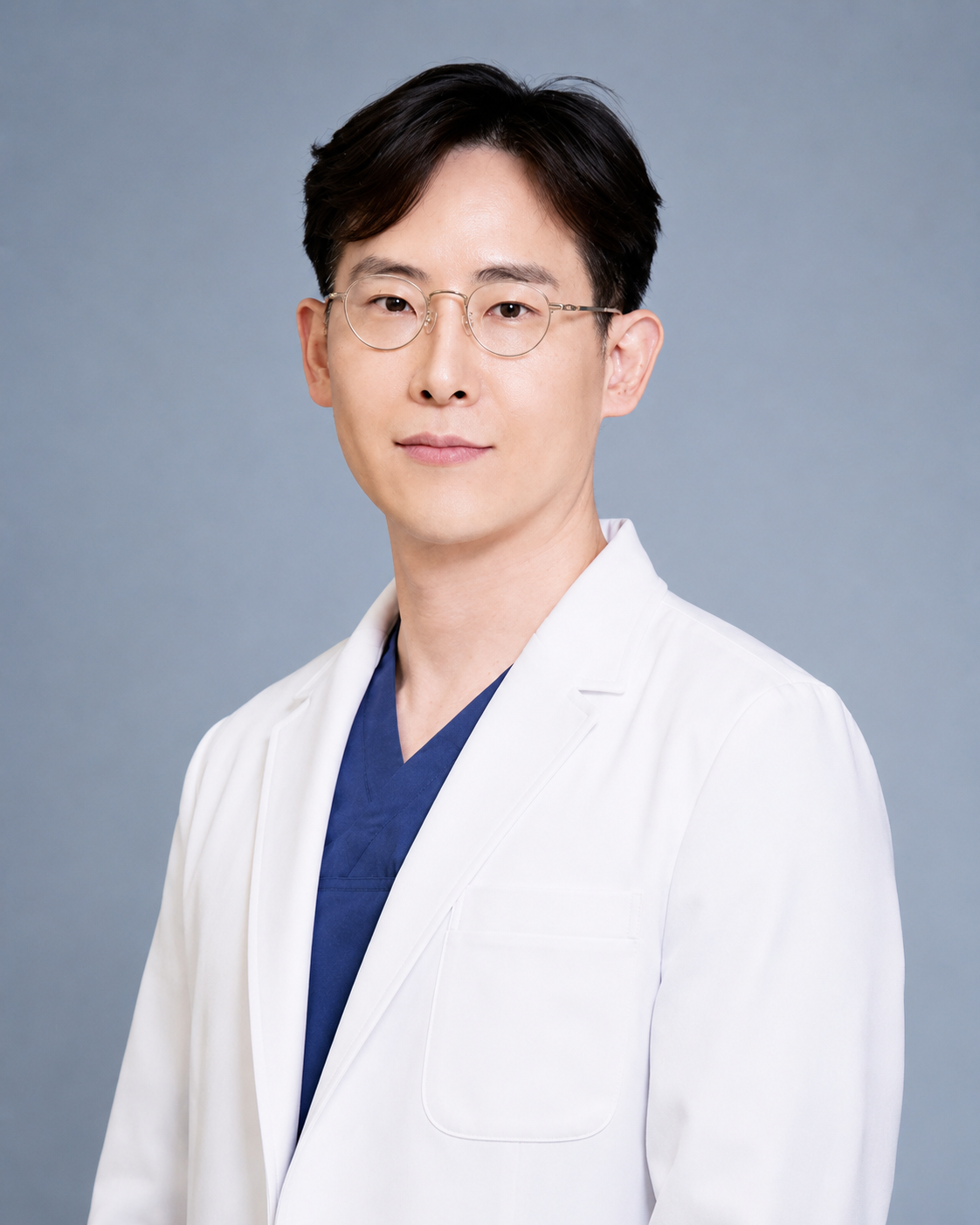
A doctor, in person, every time — never a nurse or a coordinator. JRYN Seomyeon has three doctors, and the clinic was founded by Dr. Jeong Heon Lee, who still consults here. What you actually need is decided during the consultation after your skin is examined, not from a fixed package chosen in advance.
Three doctors, one standard of care.
Every treatment plan at JRYN Seomyeon is decided and performed in person by one of our doctors — led by Dr. Jeong Heon Lee, founder of JRYN Dermatology.
From the Founder
The consultation is the treatment.
Most patients arrive asking for a specific treatment. My job is to check whether it is the right one for what they actually have. Getting that wrong is the most common mistake I correct.
Graduated from Inje University
Current Head of the JRYN Network
Current Chief Director of JRYN Seomyeon
Former Chief Director of Lin Clinic
Former Chief Director of Centum Lin Clinic
Managing Director · Seomyeon Main Branch
Dr. Yoon Jung-wook
Full Member, Korean Society of Aesthetic Plastic Surgery
Full Member, Korean Society for Aesthetic Plastic Surgery & Laser Medicine
Full Member, Korean Society of Obesity & Body Contouring
Former Neurosurgery Resident (3rd Year), Dong-A University Hospital
Former Intern, Dong-A University Hospital
Former Chief Director, Forever Plastic Surgery & Dermatology (Changwon)
Former Chief Director, Lovely Plastic Surgery & Dermatology (Changwon)
Former Director, Insta Plastic Surgery & Dermatology (Gimhae)
Former Director, Dr. Yoon Beauty Center (Vietnam)
Vice Managing Director · Seomyeon Main Branch
Dr. Jin Tae-wan
Former Director of Dermatology, MediWoman Women's Clinic
Former Director of Dermatology, Hangdo Quantum Clinic
Former Chief Director, AGE Clinic (formerly Paresa Clinic)
Former Chief Director, One Clinic (Guro)
Former Director, One Clinic (Gangnam)
Former Chief Director, SKY Plastic Surgery (Jongno)
Former Visiting Physician, Guangfu Aesthetic Plastic Surgery Hospital (Dalian, China)
Former Associate Director, Tokeshi Plastic Surgery
Former Associate Director, Midam Dermatology Clinic
Former Associate Director, Noble Line Plastic Surgery
Former Associate Director, Jeniva Plastic Surgery
Former Military Flight Surgeon, ROK Army Aviation Operations Command
Former Intern & Resident, Kangdong Sacred Heart Hospital
Before You Book
Questions patients ask first.
Sometimes, where a course rate exists. Payment here follows each session rather than preceding the series, which removes the pressure to commit before you know how you respond — see how to pay.
The course shortens. Session counts are a plan rather than a contract, and stopping early because the result arrived is a good outcome. This is a further argument for paying per session.
Yes, if the assessment changes. Sometimes two sessions reveal that a different approach suits better — pigment that turns out to be melasma rather than sun damage, for instance, needing a gentler protocol.
Not necessarily. Notes record product, settings and how you responded, so any of the three doctors can continue precisely. Continuity helps but is not a requirement, and you can request a specific doctor when booking.
Doubling the recommended interval reduces the compounding effect without wasting the session. Six months between sessions of a four-to-six-week course means you are effectively repeating session one each time — better than nothing, considerably less than the course.
Different purpose. A course builds a result; maintenance holds it. Maintenance is usually less frequent, sometimes lower energy, and open-ended rather than a fixed count.
Topical therapy alongside a pigment course, yes, and it is part of the plan rather than an add-on. Device treatment obviously not, though notes are provided so a clinic at home can continue if the treatment is available there.
Depends on the concern, but acne scar resurfacing
produces the largest visible change per session for patients who have that concern. Melasma
is the longest commitment and the one most often abandoned early.
Doctor-led planning across six categories. Foreign patients pay the same as local patients — what changes a final figure is units and area, never nationality.
JRYN Seomyeon
· 4F Samjeong Tower, 672 Jungang-daero · 5 min from Seomyeon Station Exit 2 · 2 min from Seomyeon Mall Exit 16 · 6 min from Lotte Department Store Busan Main · 8 min from Jeonpo Cafe Street · inside Seomyeon Medical Street · open through lunch, seven days a week
Ready When You Are
Send your dates, get a plan before you fly.
Message us on WhatsApp with what you would like to address and when you will be in Busan. You will get an honest read in your language — including whether the treatment you have in mind is the right one.