4F, Samjeong Tower, 672 Jungang-daero, Busanjin-gu, Busan, Korea
By Decade · Seomyeon, Busan · Foreigner-Friendly
Treatment by decade in Busan Seomyeon, and what actually changes when.
Different decades have different problems, and treating the wrong one is how people spend money without seeing a difference. This sets out what is genuinely worth doing at each stage, and what is too early to bother with.
The assessment finds the stage, not the age on your ID
On This Page
Mid-twenties — mostly nothing
Late twenties to early thirties — the first dynamic lines
Mid-thirties — skin quality declines before structure does
Late thirties to early forties — the fast phase
Mid-forties — structure and maintenance together
Fifties and beyond — is it too late?
Why does the late thirties feel so sudden?
Does the same age look different on different faces?
Why does treating earlier work better?
What is the biggest waste of money at each stage?
How is the stage actually assessed?
Age is a rough proxy for what is happening in a face rather than a rule. Some people at thirty have the laxity of someone at forty and some at fifty have skin quality that would suit a much younger plan. What follows is the typical pattern, with the caveat that the examination decides rather than the birthday.
Does This Sound Familiar?
What patients ask about age
Am I too young to be doing this?
Is it too late to start at 50?
Should I be doing something preventative in my twenties?
What changed between 35 and 40 — it happened fast.
What is actually worth the money at my age?
All five come up most weeks. The first and third have connected answers, and the sections below work through the decades.
Mid-twenties — mostly nothing
Genuinely nothing structural, and being told so is a normal outcome. Skin at this stage has full collagen density and no meaningful laxity, so lifting
is treating a problem that does not exist. What is worth doing is treating actual concerns — acne scarring, pigmentation, oily skin with visible pores — and establishing sun protection, which does more for your forties than any treatment available now.
Late twenties to early thirties — the first dynamic lines
This is when wrinkle botox
becomes reasonable rather than premature. The logic is sound: a muscle that is not repeatedly folding the skin gives the dermis less reason to crease permanently. What we do not recommend is treating a face with no dynamic lines at all, which is spending money on nothing. The test is whether lines appear on movement and disappear at rest — if so, treatment is preventative; if not, come back in two years.
Mid-thirties — skin quality declines before structure does
The first genuine change most people notice is texture and light reflection rather than sagging. Collagen production has been falling since the mid-twenties and the cumulative effect starts showing here. This is where boosters
earn their place — Rejuran
for density and resilience, hydrating boosters for surface quality. Structural treatment is usually still unnecessary.
Late thirties to early forties — the fast phase
Patients frequently describe this as happening suddenly, and there is a reason. Volume loss in the deep midface compartments and early laxity arrive close together, and each makes the other more visible. This is where combined treatment starts making more sense than single treatments — energy lifting
for firmness alongside filler
for the volume that has gone. Treating one alone is what leaves a result looking incomplete.
Mid-forties — structure and maintenance together
Both components now need attention. A typical plan is one lifting
session a year, midface volume
maintained annually, botox
every four to six months at conservative doses, and skin quality work in between. Collagen stimulators
become genuinely useful here, since diffuse volume loss suits them better than hyaluronic acid does.
Treating early works better than treating late — up to a point
Fifties and beyond — is it too late?
No, and the question is usually asked with an assumption that turns out to be wrong. What changes is the honest limit rather than the availability of treatment — threads
and energy devices reach a point beyond which surgery does more, and being told that is a genuine outcome rather than a discouragement. Within that limit, results at fifty-five are perfectly worthwhile and often more visible than at thirty-five because there is more to change.
Why does the late thirties feel so sudden?
Because two gradual processes cross a visibility threshold at roughly the same time. Collagen has been declining by around one per cent a year since the mid-twenties, and deep midface fat compartments have been shrinking in parallel — neither is noticeable until the combined effect passes the point where the face reads differently in photographs. That is why patients describe a change that happened over a weekend when the underlying process took fifteen years. It also explains why treating one component alone at this stage disappoints: the appearance came from both.
Does the same age look different on different faces?
Substantially, and it is why an age-based plan is a starting point rather than a prescription. Thin skin ages differently from thick, a full face holds volume loss better than a lean one, and heavy sun exposure moves the timeline forward by close to a decade. Two patients born the same year can need entirely different recommendations — one needing skin quality work
and no structure, the other the reverse. The physical examination sorts this in a few minutes, which is why it decides the plan rather than the birthday.
Why does treating earlier work better?
Because collagen responds better when there is more of it to work with. Energy lifting
stimulates existing fibroblasts, and a forty-year-old face produces a stronger response than a sixty-year-old one. The same applies to boosters
and stimulators. This is not an argument for treating a twenty-five-year-old — it is an argument for not waiting until a change is obvious before addressing it.
What is the biggest waste of money at each stage?
In the twenties, structural lifting for laxity that does not exist. In the thirties, filler in the nasolabial fold rather than the cheek that caused it. In the forties, treating one component and expecting a complete result. And at any age, buying an inadequate shot count on a lifting
treatment, which produces nothing regardless of how good the device is — see how to read a price list.
How is the stage actually assessed?
Physically rather than from your age. Skin is pinched to assess elasticity, the face is examined lying down as well as upright to separate volume loss from descent, and movement is watched to distinguish dynamic from static lines. That examination decides the plan — a thirty-eight-year-old with good density and early jowls gets a different recommendation from a thirty-eight-year-old with thin skin and no laxity. See how a consultation works.
Our Medical Team
Who will actually treat you at JRYN Seomyeon?
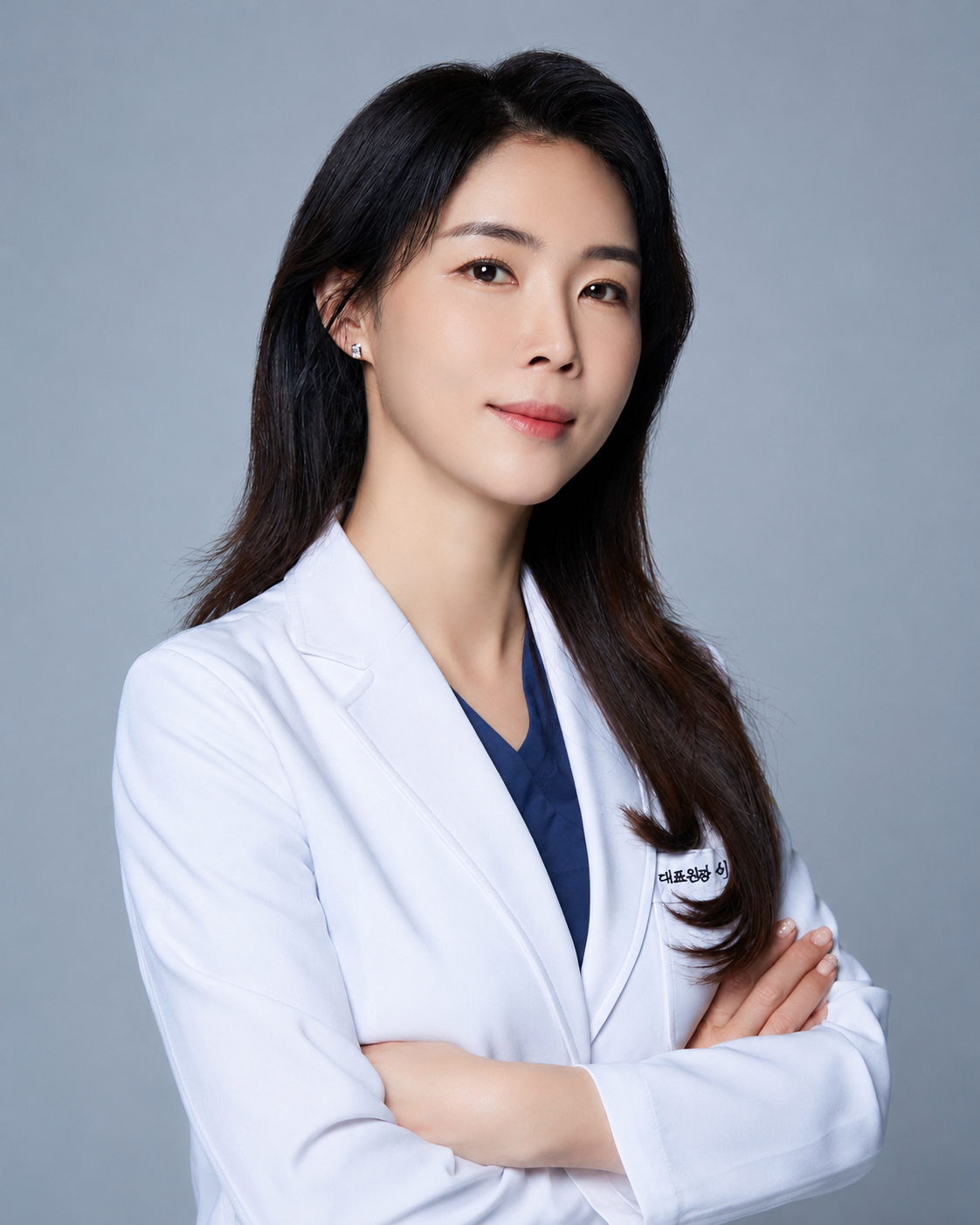
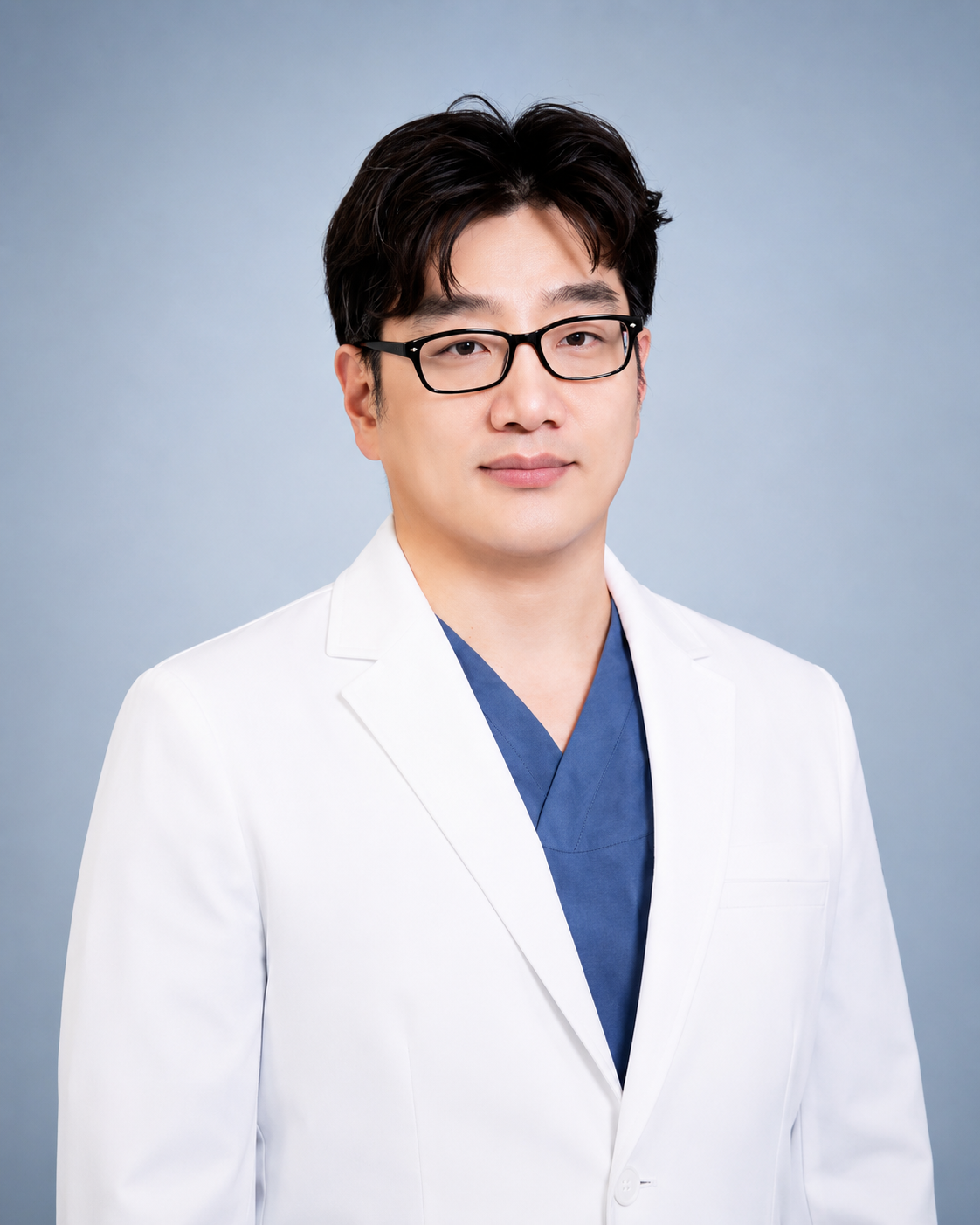
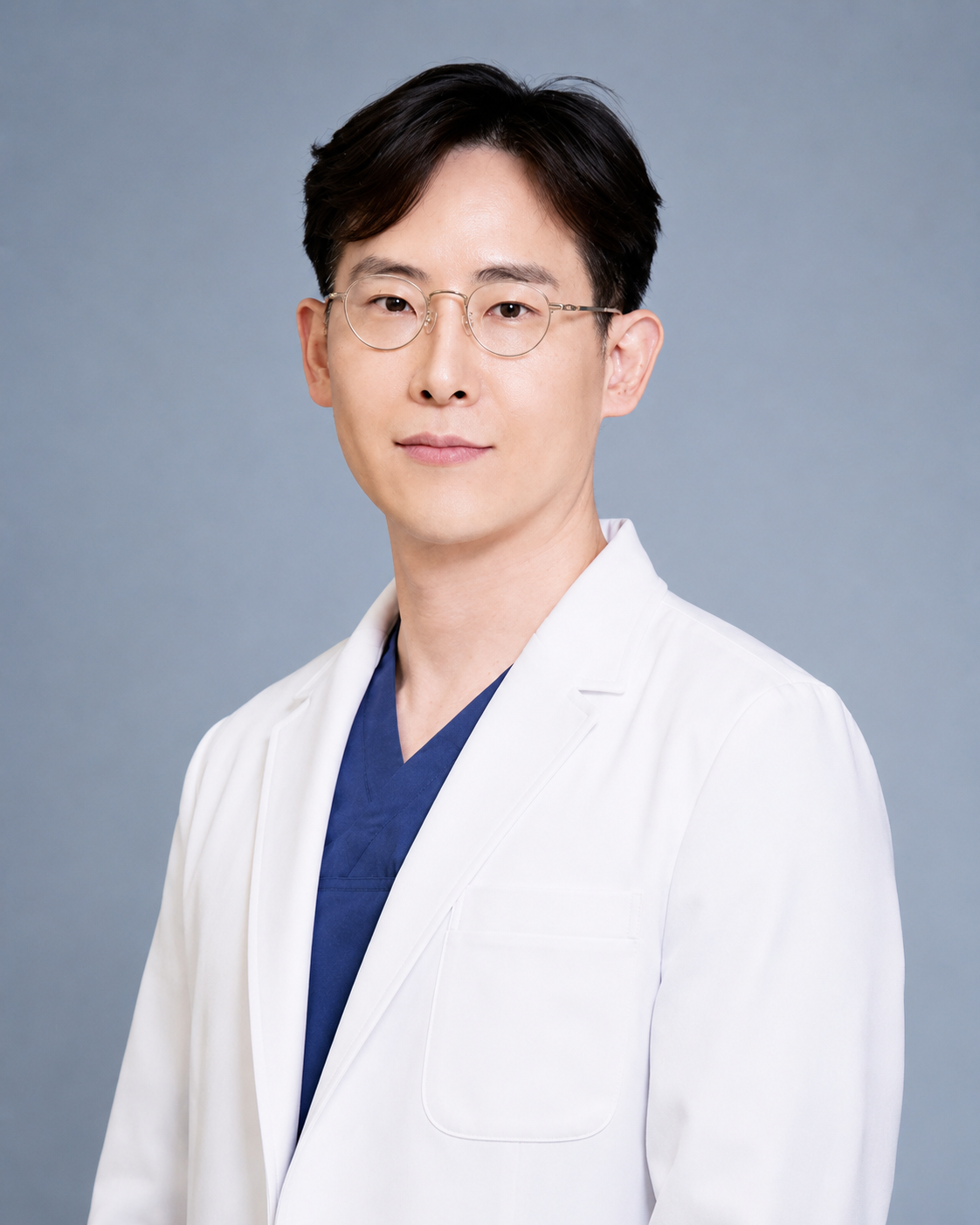
A doctor, in person, every time — never a nurse or a coordinator. JRYN Seomyeon has three doctors, and the clinic was founded by Dr. Jeong Heon Lee, who still consults here. What you actually need is decided during the consultation after your skin is examined, not from a fixed package chosen in advance.
Three doctors, one standard of care.
Every treatment plan at JRYN Seomyeon is decided and performed in person by one of our doctors — led by Dr. Jeong Heon Lee, founder of JRYN Dermatology.
From the Founder
The consultation is the treatment.
Most patients arrive asking for a specific treatment. My job is to check whether it is the right one for what they actually have. Getting that wrong is the most common mistake I correct.
Graduated from Inje University
Current Head of the JRYN Network
Current Chief Director of JRYN Seomyeon
Former Chief Director of Lin Clinic
Former Chief Director of Centum Lin Clinic
Managing Director · Seomyeon Main Branch
Dr. Yoon Jung-wook
Full Member, Korean Society of Aesthetic Plastic Surgery
Full Member, Korean Society for Aesthetic Plastic Surgery & Laser Medicine
Full Member, Korean Society of Obesity & Body Contouring
Former Neurosurgery Resident (3rd Year), Dong-A University Hospital
Former Intern, Dong-A University Hospital
Former Chief Director, Forever Plastic Surgery & Dermatology (Changwon)
Former Chief Director, Lovely Plastic Surgery & Dermatology (Changwon)
Former Director, Insta Plastic Surgery & Dermatology (Gimhae)
Former Director, Dr. Yoon Beauty Center (Vietnam)
Vice Managing Director · Seomyeon Main Branch
Dr. Jin Tae-wan
Former Director of Dermatology, MediWoman Women's Clinic
Former Director of Dermatology, Hangdo Quantum Clinic
Former Chief Director, AGE Clinic (formerly Paresa Clinic)
Former Chief Director, One Clinic (Guro)
Former Director, One Clinic (Gangnam)
Former Chief Director, SKY Plastic Surgery (Jongno)
Former Visiting Physician, Guangfu Aesthetic Plastic Surgery Hospital (Dalian, China)
Former Associate Director, Tokeshi Plastic Surgery
Former Associate Director, Midam Dermatology Clinic
Former Associate Director, Noble Line Plastic Surgery
Former Associate Director, Jeniva Plastic Surgery
Former Military Flight Surgeon, ROK Army Aviation Operations Command
Former Intern & Resident, Kangdong Sacred Heart Hospital
Before You Book
Questions patients ask first.
Legally eighteen for most elective treatment. Practically, the question is whether there is something to treat, and for structural work in the early twenties there usually is not. Being told to come back is a normal outcome.
No, and this is a common worry. Nothing about treatment accelerates ageing or creates dependency. Stopping returns you to your natural baseline rather than below it — see how long results last.
Sun protection, which is unglamorous and does more than any single treatment. After that, treating the actual cause rather than the visible symptom — see sun protection.
Broadly, with two differences. Male skin is thicker and holds structure slightly longer, so laxity often arrives later. Male dosing is higher throughout — see skin treatments for men.
When there is early laxity, which for most people is late thirties to early forties. Before that it treats nothing; much after that it treats more than it comfortably can.
A noticeable one for many patients, since falling oestrogen accelerates collagen loss and skin thinning. Treatment does not change the hormonal picture but does address what it produces, and boosters become more useful in that window.
Substantially. Smoking, sun exposure and significant weight fluctuation each move the picture forward by years. Two forty-year-olds with different histories can need completely different plans.
Yes, and it is a reasonable way to start at any age. One adequate treatment tells you how your skin responds, which is more useful than a package chosen before anyone knew.
Doctor-led planning across six categories. Foreign patients pay the same as local patients — what changes a final figure is units and area, never nationality.
JRYN Seomyeon
· 4F Samjeong Tower, 672 Jungang-daero · 5 min from Seomyeon Station Exit 2 · 2 min from Seomyeon Mall Exit 16 · 6 min from Lotte Department Store Busan Main · 8 min from Jeonpo Cafe Street · inside Seomyeon Medical Street · open through lunch, seven days a week
Ready When You Are
Send your dates, get a plan before you fly.
Message us on WhatsApp with what you would like to address and when you will be in Busan. You will get an honest read in your language — including whether the treatment you have in mind is the right one.