4F, Samjeong Tower, 672 Jungang-daero, Busanjin-gu, Busan, Korea
How It Works · Seomyeon, Busan · Foreigner-Friendly
Laser treatment in Busan Seomyeon, and how a beam finds one target and not another.
Wavelength decides what absorbs the energy, pulse duration decides how much heat spreads, and fluence decides how much is delivered. Those three variables explain every laser on the menu and every risk attached to them.
Why does this category vary so much between clinics?
How does this connect to the other mechanisms?
Is a newer machine better?
Why fractional delivery works
What this means when comparing quotes
Laser is the treatment category where the same device produces excellent and poor results depending on numbers the patient never sees. Understanding what those numbers do explains why settings matter more than platforms.
Does This Sound Familiar?
What patients ask about lasers
How does it know to hit the pigment and not my skin?
Why do different lasers treat different things?
What makes one setting safe and another risky?
Is a newer machine better?
Why does my skin type change the settings?
All five come up most weeks, and the first has an answer that makes the rest follow. The sections below explain the three variables.
Selective photothermolysis
The principle behind every cosmetic laser. Different substances in skin absorb different wavelengths preferentially — melanin absorbs certain bands strongly, haemoglobin others, water others again. Choosing a wavelength that your target absorbs and surrounding tissue does not means energy is deposited where it is wanted and largely ignored elsewhere. That selectivity, rather than aim, is how a laser finds one structure and spares another.
What each target means in practice
Melanin absorption is used for pigment work
and lesion removal. Haemoglobin absorption is used for vascular treatment, where the vessel heats and collapses. Water absorption is used for resurfacing, since the tissue itself is mostly water and heating it produces the controlled injury that drives remodelling — see how collagen treatment works.
Why pulse duration matters
Because heat spreads from where it is deposited, and a shorter pulse gives it less time to. A picosecond pulse fragments pigment mechanically with minimal thermal diffusion; a longer pulse heats the target and the tissue around it. On higher Fitzpatrick types that difference is the difference between clearing a spot and provoking post-inflammatory pigmentation
— which is why picosecond platforms matter more here than in lighter-skinned markets.
Why fluence is the number that decides risk
Because it is how much energy arrives per unit area. Too little and the target absorbs heat without being destroyed, producing inflammation and no result. Too much and surrounding tissue takes damage it did not need to. The correct fluence sits in a window that narrows as melanin increases, since more of the beam is absorbed by the epidermis before reaching the target — see toning or resurfacing.
Why skin type changes everything
Because melanin is in the way. On Fitzpatrick I skin the epidermis is nearly transparent to the beam; on type IV or V a substantial fraction is absorbed on the way through, heating the surface and reducing what reaches the target. That means lower fluence, longer intervals and a test pass — treating higher types at settings written for lighter skin is the most common cause of laser injury.
Settings are matched to skin, not to a preset
Why recent sun exposure is a contraindication
Because a tan is melanin, and the laser cannot distinguish it from target pigment. Treating recently tanned skin means the epidermis absorbs far more than intended, sharply raising burn and pigmentation risk. Four weeks without significant exposure is the standard requirement, and treatment is postponed rather than run at reduced settings — the risk is not linear enough for that compromise — see sun protection.
Why does this category vary so much between clinics?
Because three invisible numbers decide the outcome and none of them appear on a price list. A patient can compare platforms, prices and marketing copy exhaustively and still have no information about wavelength selection, pulse duration or fluence — the variables that determine whether a session clears a spot, does nothing, or causes a mark that takes months to fade. That gap is wider here than for filler
or botox, where at least the product name and unit count are quotable, and it is why the assessment matters more than the equipment list.
How does this connect to the other mechanisms?
Lasers deliver the stimulus; the body does the rest. Ablative and fractional treatment provoke exactly the collagen sequence described elsewhere, which is why resurfacing results arrive at three months rather than immediately — see how collagen treatment works. Pigment lasers are the exception, since fragmenting melanin and clearing it is a transport process rather than a rebuilding one, and shows over two to four weeks. Knowing which of the two a treatment is tells you when to look, which is the same question that runs through boosters
and lifting
alike.
Is a newer machine better?
Sometimes, in specific ways. Picosecond platforms genuinely improved pigment treatment on darker skin. Better cooling improved comfort and reduced epidermal damage. What has not changed is that the operator chooses the settings, and a new platform run at wrong parameters produces worse results than an older one run correctly — see HIFU devices compared
for the same argument in another category.
Why fractional delivery works
Because leaving untreated skin between treated columns gives healing somewhere to start from. Full-surface ablation removes the entire epidermis and heals slowly with substantial risk; fractional treatment injures perhaps ten to thirty per cent of the area and the intact tissue between drives repair. That is what made resurfacing practical, and it is why coverage percentage is a setting worth asking about.
What this means when comparing quotes
That platform name alone is insufficient. Two clinics offering the same laser can be delivering different wavelengths, pulse durations, fluences and coverage — which produce genuinely different treatments at the same headline price. Asking which wavelength and what fluence is more informative than asking which brand, and a clinic that answers plainly is describing what you are buying — see how to read a price list.
Our Medical Team
Who will actually treat you at JRYN Seomyeon?
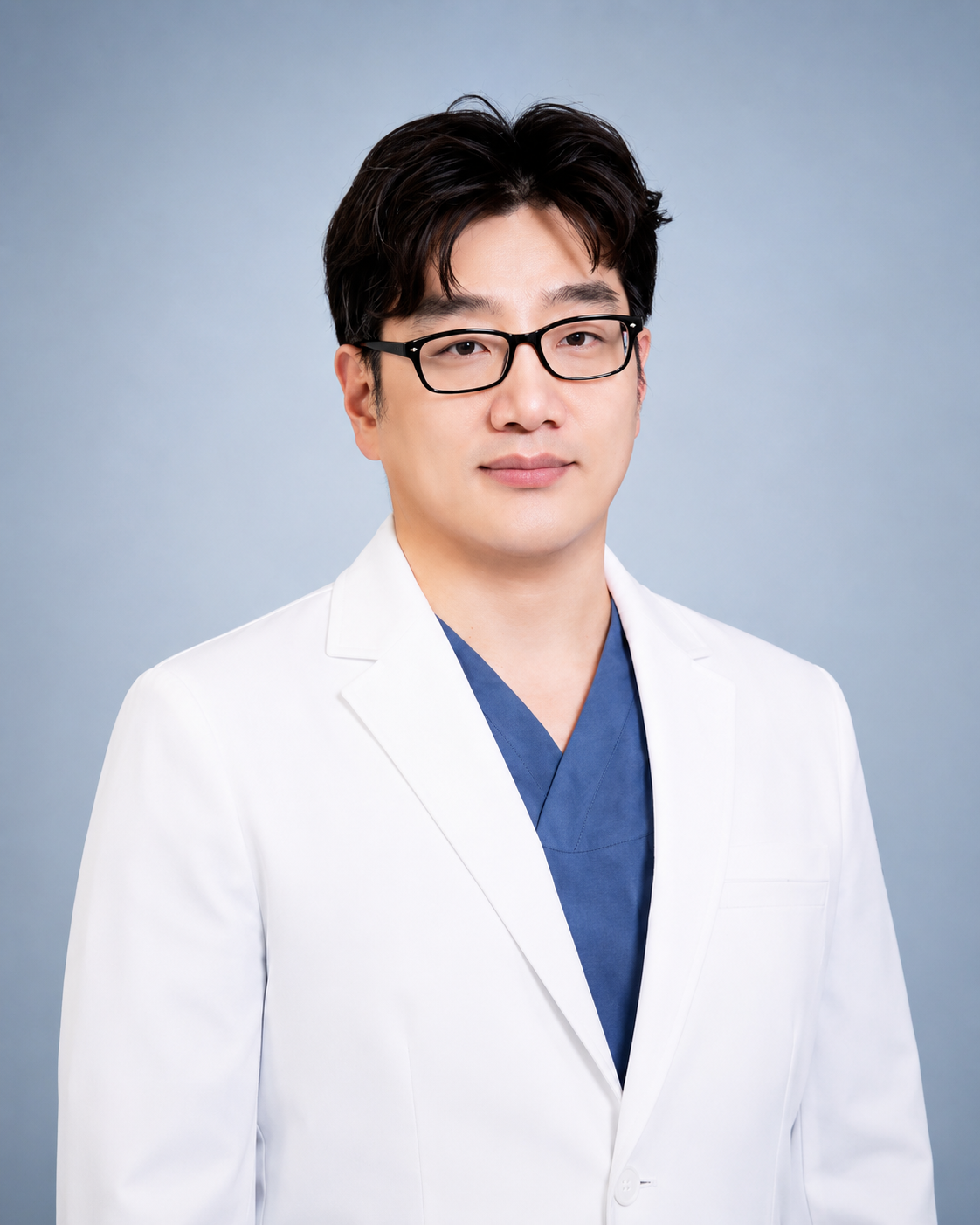
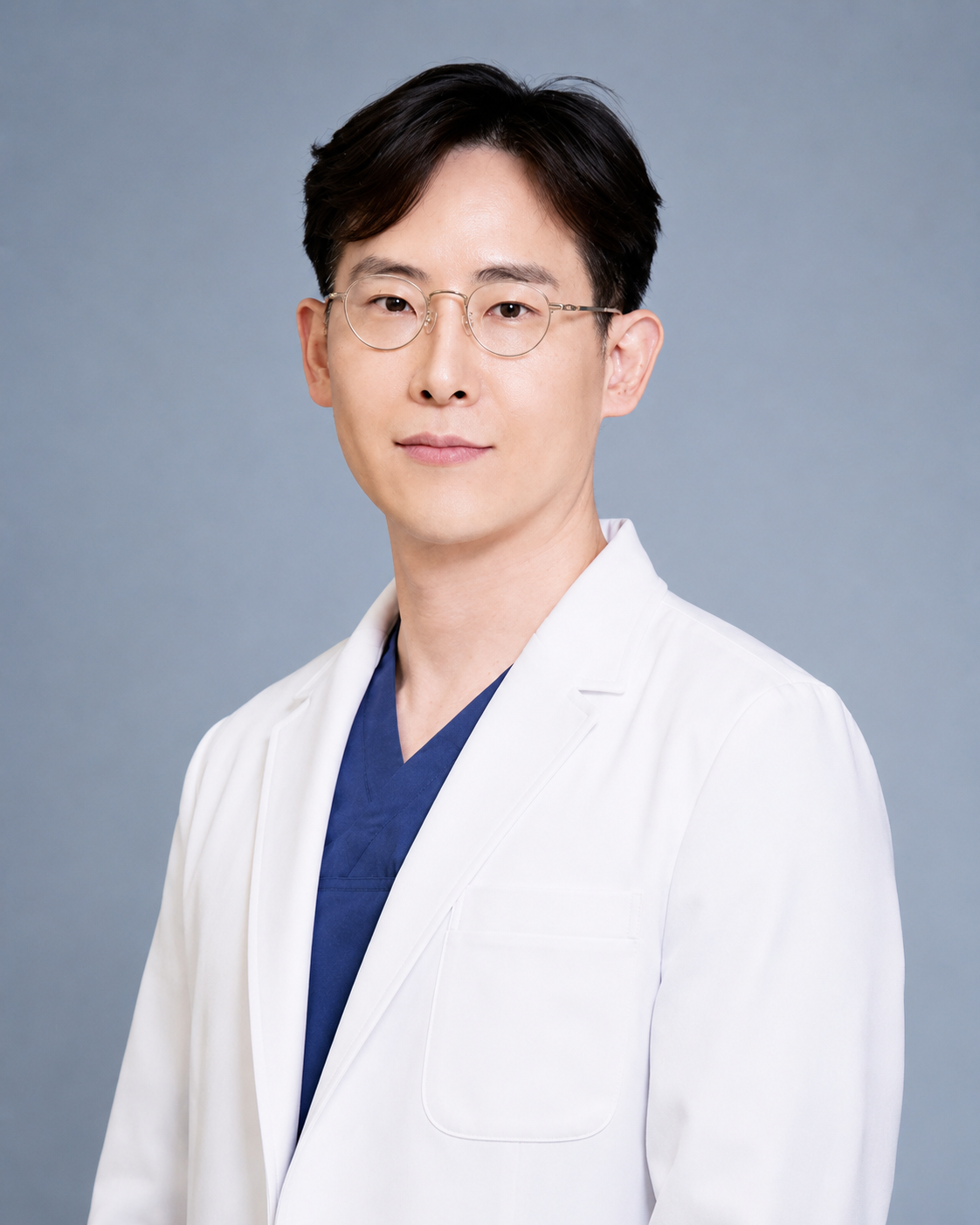
A doctor, in person, every time — never a nurse or a coordinator. JRYN Seomyeon has three doctors, and the clinic was founded by Dr. Jeong Heon Lee, who still consults here. What you actually need is decided during the consultation after your skin is examined, not from a fixed package chosen in advance.
Three doctors, one standard of care.
Every treatment plan at JRYN Seomyeon is decided and performed in person by one of our doctors — led by Dr. Jeong Heon Lee, founder of JRYN Dermatology.
From the Founder
The consultation is the treatment.
Most patients arrive asking for a specific treatment. My job is to check whether it is the right one for what they actually have. Getting that wrong is the most common mistake I correct.
Graduated from Inje University
Current Head of the JRYN Network
Current Chief Director of JRYN Seomyeon
Former Chief Director of Lin Clinic
Former Chief Director of Centum Lin Clinic
Managing Director · Seomyeon Main Branch
Dr. Yoon Jung-wook
Full Member, Korean Society of Aesthetic Plastic Surgery
Full Member, Korean Society for Aesthetic Plastic Surgery & Laser Medicine
Full Member, Korean Society of Obesity & Body Contouring
Former Neurosurgery Resident (3rd Year), Dong-A University Hospital
Former Intern, Dong-A University Hospital
Former Chief Director, Forever Plastic Surgery & Dermatology (Changwon)
Former Chief Director, Lovely Plastic Surgery & Dermatology (Changwon)
Former Director, Insta Plastic Surgery & Dermatology (Gimhae)
Former Director, Dr. Yoon Beauty Center (Vietnam)
Vice Managing Director · Seomyeon Main Branch
Dr. Jin Tae-wan
Former Director of Dermatology, MediWoman Women's Clinic
Former Director of Dermatology, Hangdo Quantum Clinic
Former Chief Director, AGE Clinic (formerly Paresa Clinic)
Former Chief Director, One Clinic (Guro)
Former Director, One Clinic (Gangnam)
Former Chief Director, SKY Plastic Surgery (Jongno)
Former Visiting Physician, Guangfu Aesthetic Plastic Surgery Hospital (Dalian, China)
Former Associate Director, Tokeshi Plastic Surgery
Former Associate Director, Midam Dermatology Clinic
Former Associate Director, Noble Line Plastic Surgery
Former Associate Director, Jeniva Plastic Surgery
Former Military Flight Surgeon, ROK Army Aviation Operations Command
Former Intern & Resident, Kangdong Sacred Heart Hospital
Before You Book
Questions patients ask first.
Some collateral heating is unavoidable and is what the settings are chosen to minimise. Correctly delivered, the surrounding tissue recovers without lasting change.
Because the fragments rise toward the surface before being shed. Darkening and crusting for three to ten days is the expected sequence rather than a problem — see melasma or sun spots.
The same pigment-targeting principle applies, with different wavelengths for different ink colours. It is a separate treatment category from cosmetic pigment work.
No — it is broad-spectrum light rather than a single wavelength, so it is less selective. That makes it useful for some vascular and pigment work in lighter skin and a recognised cause of melasma rebound in darker types.
Longer pulses and higher fluence deposit more heat, and ablative treatment removes tissue. Comfort correlates loosely with depth and energy — see numbing and anaesthesia.
Yes, particularly on higher Fitzpatrick types. Two minutes treating a small area and observing the response is the single most useful safeguard against an adverse pigment reaction.
No. A wavelength selective for melanin does little for vessels, and vice versa. Multi-concern treatment means multiple passes or multiple platforms — see combining treatments.
Because the tissue needs to clear fragments and complete healing before the next pass has anything new to target. Shortening intervals adds risk without adding result — see why some treatments need a course.
Doctor-led planning across six categories. Foreign patients pay the same as local patients — what changes a final figure is units and area, never nationality.
JRYN Seomyeon
· 4F Samjeong Tower, 672 Jungang-daero · 5 min from Seomyeon Station Exit 2 · 2 min from Seomyeon Mall Exit 16 · 6 min from Lotte Department Store Busan Main · 8 min from Jeonpo Cafe Street · inside Seomyeon Medical Street · open through lunch, seven days a week
Ready When You Are
Send your dates, get a plan before you fly.
Message us on WhatsApp with what you would like to address and when you will be in Busan. You will get an honest read in your language — including whether the treatment you have in mind is the right one.