4F, Samjeong Tower, 672 Jungang-daero, Busanjin-gu, Busan, Korea
For Residents · Seomyeon, Busan · Foreigner-Friendly
Skin treatment for expats in Busan Seomyeon, planned over months rather than days.
Living here changes what is worth doing. Courses that never fit a tourist trip become straightforward, maintenance replaces one-off treatment, and the conversation shifts from what fits five days to what suits the next two years.
Seomyeon · Lines 1 and 2 cross here, reachable from anywhere in Busan
On This Page
Does Korean national health insurance cover this?
What changes when you live here rather than visit?
Where should a resident actually start?
Is it cheaper to wait and treat at home?
How much does the language issue actually matter?
What if I have one year left in Korea?
Does Korean seasonal climate change the plan?
What do residents most often get wrong?
Does anything about living here change how skin behaves?
Can I be treated on a work or student visa?
How does follow-up work as a resident?
Teachers, engineers, shipbuilding staff, students and long-term residents make up a steady share of the foreign patients here, and their situation is genuinely different from a visitor's. Nothing has to fit a departure date, which changes almost every recommendation.
Does This Sound Familiar?
What residents ask
Does my Korean health insurance cover any of this?
I have been putting this off because of the language. Is that solved?
Is it cheaper to wait and do it back home on a visit?
I want to start something long-term. Where do I begin?
I am here for one more year. What is realistic in that time?
All five come up most weeks. The first has a short answer and the rest are where living here genuinely changes the plan.
Does Korean national health insurance cover this?
Not for elective cosmetic treatment, regardless of your visa status or how long you have contributed. NHIS covers medically indicated dermatology — treatment for acne as a condition, mole removal where a lesion needs assessment, and similar. It does not cover botox, filler, lifting
or aesthetic laser work. Korean medical receipts are issued regardless, which matters for employer or private insurance claims where those apply.
What changes when you live here rather than visit?
Courses become possible. Melasma
needs eight to fifteen sessions across several months and never fits a trip. Acne scar resurfacing
runs four to six sessions at four-to-six-week intervals. Rejuran
works as a three-to-four session cycle then maintenance. As a resident these are straightforward rather than aspirational, and they are where the largest results sit.
Where should a resident actually start?
With the concern that bothers you most, treated properly, rather than with a sampler of everything. The common resident pattern is one structural treatment a year — energy lifting
or a filler plan — with maintenance in between: botox
every four to six months, boosters
quarterly, toning as needed. That is more effective and usually cheaper than treating reactively whenever something bothers you.
Is it cheaper to wait and treat at home?
Almost never, and this catches people out. Korean pricing for equivalent treatment runs a fraction of US, UK or Australian equivalents, and the device range here is wider than most cities offer. What waiting costs you is not just money but sequencing — a course started here and abandoned mid-way when you leave is worse value than one completed. Plan around your departure date rather than deferring past it.
How much does the language issue actually matter?
It is the reason a lot of residents put this off for years, and it is solvable. Consultation runs in English, Japanese, Traditional Chinese or Simplified Chinese with a coordinator alongside the doctor rather than a translation app at the counter. Aftercare continues in writing on KakaoTalk. If you have been avoiding treatment because of the language, that specific obstacle is not one you need to keep working around — see do you need a translator.
Residents build a plan rather than fitting a trip
What if I have one year left in Korea?
Then the plan is built backwards from your departure, which is a genuinely useful constraint. Twelve months accommodates a full melasma course, a completed acne scar series, two lifting sessions building on each other, or a Rejuran cycle plus maintenance. What it does not accommodate is starting a course in month eleven, and we will say so rather than take the first payment.
Does Korean seasonal climate change the plan?
More than most residents expect. Busan winters are dry and mild, which is the safest window for pigment work and resurfacing — less sun, less sweat, easier aftercare. Summers are hot and humid, which raises melasma activity and makes strict sun protection harder. The practical rule is pigment and resurfacing between late autumn and early spring, and treatments unaffected by sun in the summer months.
What do residents most often get wrong?
Treating reactively rather than on a plan. The common pattern is a booster before a wedding, botox before a trip home, a laser session when something bothers them in a photograph — each individually reasonable, collectively less effective and more expensive than a schedule would have been. The alternative is not more treatment but better-ordered treatment: one structural item a year, maintenance at proper intervals, and pigment work placed in the season that suits it.
Does anything about living here change how skin behaves?
Two things, both underestimated. Busan humidity in summer drives congestion and oil in patients who never had either at home, which is where microbotox
earns its place. And the seasonal swing between a humid summer and a dry winter is harder on the skin barrier than a stable climate, which is why polynucleotide boosters
are a common resident staple rather than an occasional treat. Neither is a Korean-skin phenomenon — it is a Busan-climate one, and it affects visitors from stable climates most.
Can I be treated on a work or student visa?
Yes, on any status, and nothing about the assessment or pricing differs. Residents pay the same published prices
as everyone else — there is no separate foreign patient rate here, which is worth confirming at any clinic in Korea since the practice exists and is legal. Bring your ARC or passport for the record.
How does follow-up work as a resident?
Better than for visitors, which is the practical advantage. Two-week reviews after filler happen in person rather than by photograph. Courses run on their proper intervals rather than compressed. Adjustments happen when something needs adjusting rather than when you next fly in. Notes accumulate across visits, so treatment gets more precise over time rather than starting fresh each visit.
Our Medical Team
Who will actually treat you at JRYN Seomyeon?
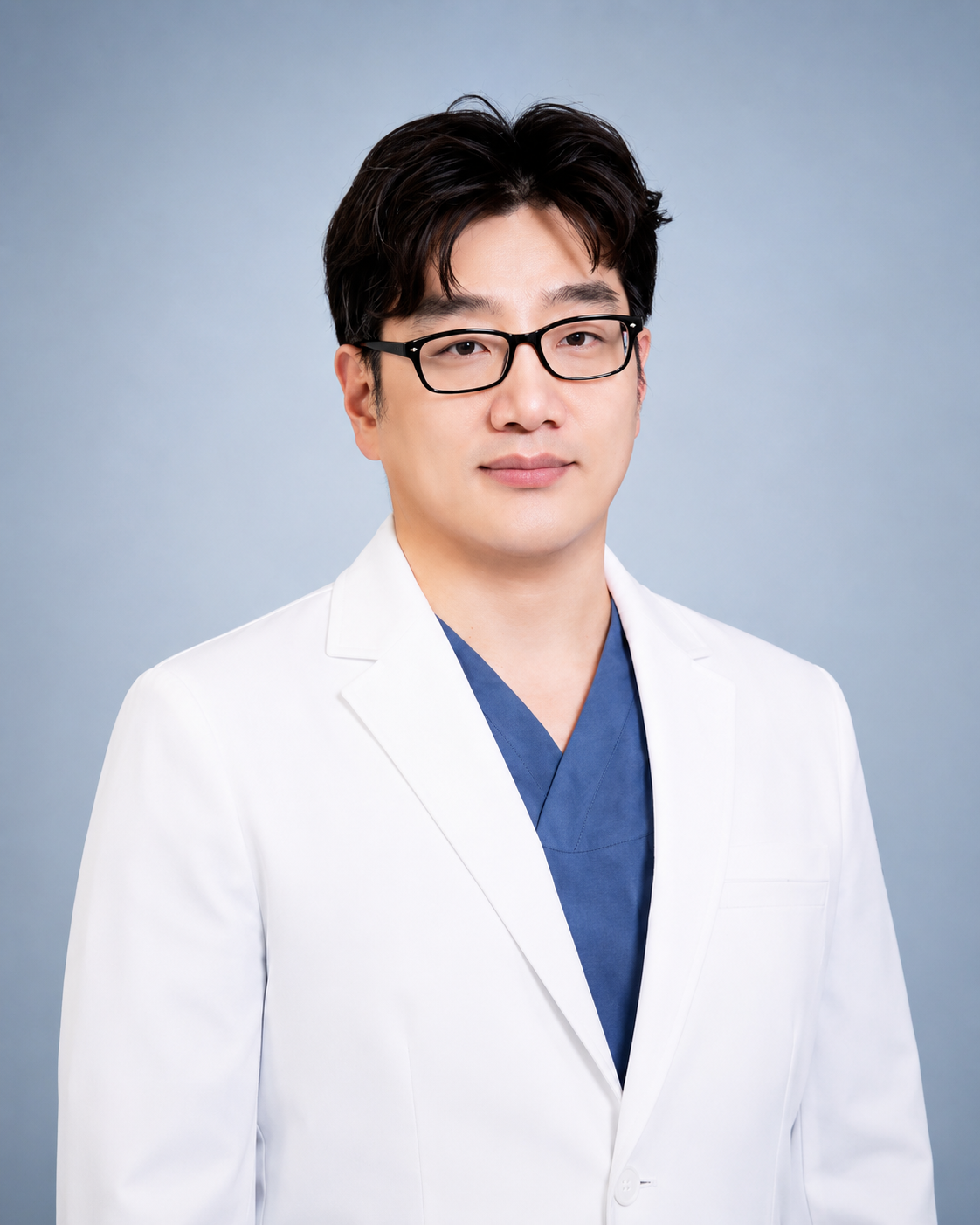
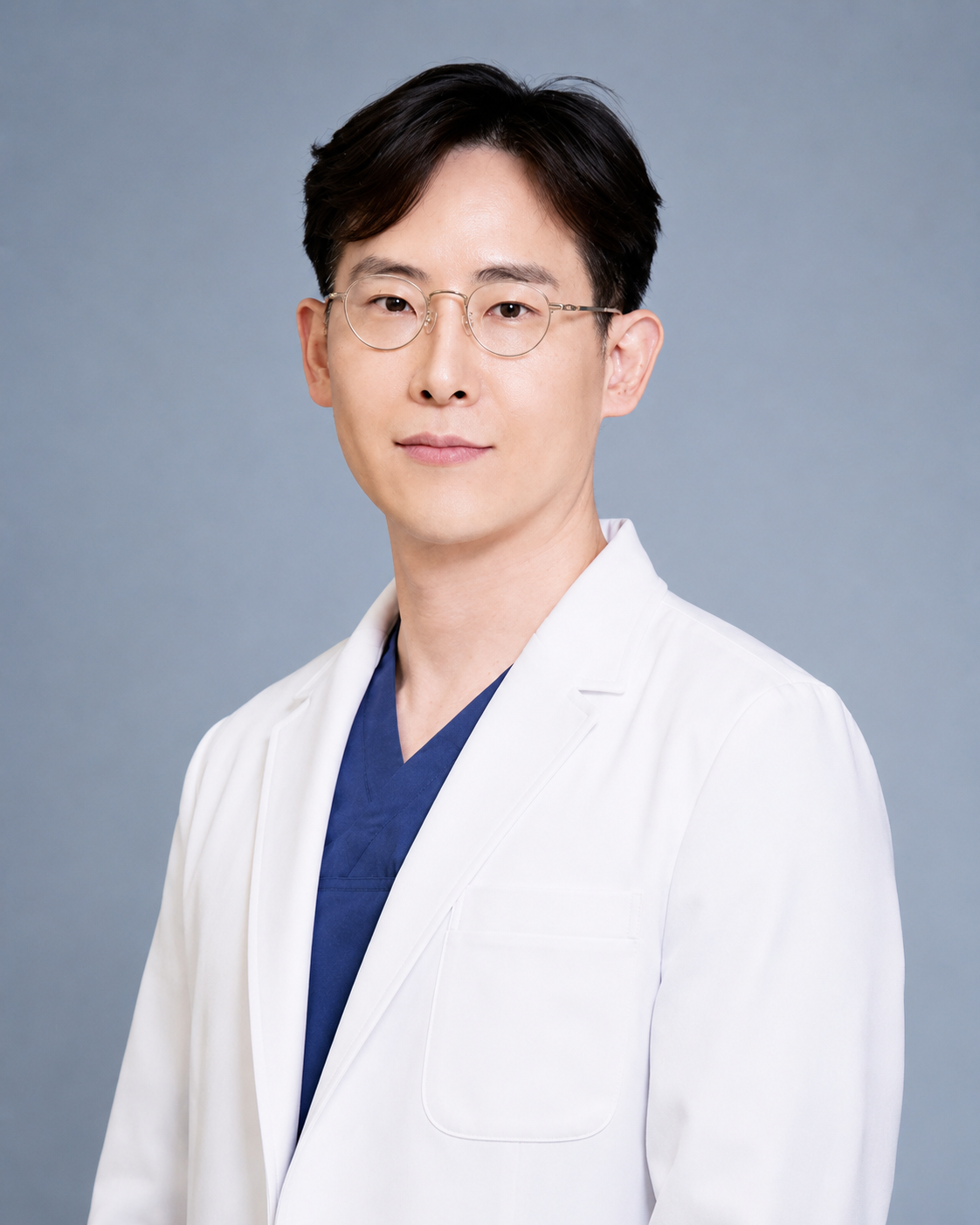
A doctor, in person, every time — never a nurse or a coordinator. JRYN Seomyeon has three doctors, and the clinic was founded by Dr. Jeong Heon Lee, who still consults here. What you actually need is decided during the consultation after your skin is examined, not from a fixed package chosen in advance.
Three doctors, one standard of care.
Every treatment plan at JRYN Seomyeon is decided and performed in person by one of our doctors — led by Dr. Jeong Heon Lee, founder of JRYN Dermatology.
From the Founder
The consultation is the treatment.
Most patients arrive asking for a specific treatment. My job is to check whether it is the right one for what they actually have. Getting that wrong is the most common mistake I correct.
Graduated from Inje University
Current Head of the JRYN Network
Current Chief Director of JRYN Seomyeon
Former Chief Director of Lin Clinic
Former Chief Director of Centum Lin Clinic
Managing Director · Seomyeon Main Branch
Dr. Yoon Jung-wook
Full Member, Korean Society of Aesthetic Plastic Surgery
Full Member, Korean Society for Aesthetic Plastic Surgery & Laser Medicine
Full Member, Korean Society of Obesity & Body Contouring
Former Neurosurgery Resident (3rd Year), Dong-A University Hospital
Former Intern, Dong-A University Hospital
Former Chief Director, Forever Plastic Surgery & Dermatology (Changwon)
Former Chief Director, Lovely Plastic Surgery & Dermatology (Changwon)
Former Director, Insta Plastic Surgery & Dermatology (Gimhae)
Former Director, Dr. Yoon Beauty Center (Vietnam)
Vice Managing Director · Seomyeon Main Branch
Dr. Jin Tae-wan
Former Director of Dermatology, MediWoman Women's Clinic
Former Director of Dermatology, Hangdo Quantum Clinic
Former Chief Director, AGE Clinic (formerly Paresa Clinic)
Former Chief Director, One Clinic (Guro)
Former Director, One Clinic (Gangnam)
Former Chief Director, SKY Plastic Surgery (Jongno)
Former Visiting Physician, Guangfu Aesthetic Plastic Surgery Hospital (Dalian, China)
Former Associate Director, Tokeshi Plastic Surgery
Former Associate Director, Midam Dermatology Clinic
Former Associate Director, Noble Line Plastic Surgery
Former Associate Director, Jeniva Plastic Surgery
Former Military Flight Surgeon, ROK Army Aviation Operations Command
Former Intern & Resident, Kangdong Sacred Heart Hospital
Before You Book
Questions patients ask first.
Either an ARC or a passport for the record. Nothing about status changes the treatment or the price — residents and visitors are seen the same way.
Pricing follows the treatment, the units and the area rather than how often you come. What repeat visits do change is consultation length, since the plan is already on file, and precision, since your response to previous treatment is recorded.
On a repeat visit, yes for several treatments — see thirty-minute treatments
for realistic door-to-door figures. First visits need longer because the assessment cannot be compressed.
Treatment notes recording product, dose and area are provided so another doctor can continue. For courses specifically, we plan what can be completed and document the rest clearly rather than leaving it half-finished.
For pigment work and resurfacing, noticeably. Less UV, less sweat and easier aftercare compliance. Summer treatment is possible but requires more discipline with sun protection, and recent tanning postpones pigment lasers entirely.
Regularly — teachers, engineers, shipbuilding and port staff, students and long-term residents. The consultation runs the same way as for visitors, but the plan usually looks quite different because time is not the constraint.
Yes, and appointments are scheduled together where possible. Each person is consulted individually. Korean and foreign patients pay identical published prices.
Deferring, then compressing everything into the last two months before leaving. Courses need intervals that cannot be shortened without reducing the result, and the last-minute version delivers less for the same money.
Doctor-led planning across six categories. Foreign patients pay the same as local patients — what changes a final figure is units and area, never nationality.
JRYN Seomyeon
· 4F Samjeong Tower, 672 Jungang-daero · 5 min from Seomyeon Station Exit 2 · 2 min from Seomyeon Mall Exit 16 · 6 min from Lotte Department Store Busan Main · 8 min from Jeonpo Cafe Street · inside Seomyeon Medical Street · open through lunch, seven days a week
Ready When You Are
Send your dates, get a plan before you fly.
Message us on WhatsApp with what you would like to address and when you will be in Busan. You will get an honest read in your language — including whether the treatment you have in mind is the right one.