4F, Samjeong Tower, 672 Jungang-daero, Busanjin-gu, Busan, Korea
How It Works · Seomyeon, Busan · Foreigner-Friendly
Collagen treatment in Busan Seomyeon, and why the result arrives at ninety days.
Half the treatments here work by provoking your own collagen response, which follows a fixed biological timeline regardless of the device. Understanding that curve explains why patients conclude treatments failed at week four.
The same 90-day curve across lifting, boosters and stimulators
On This Page
What collagen actually is
How treatment provokes a response
The ninety-day curve
Why some treatments show immediately
Why does the same curve apply across such different treatments?
What does this mean for planning a trip?
Why repeat sessions build on each other
Why age changes the response
What undermines the response
How should I measure it?
Does it keep improving indefinitely?
The most common reason a patient believes a treatment did nothing is that they assessed it before the biology had finished. This page explains what is happening in those three months so the wait is informed rather than uncertain.
Does This Sound Familiar?
What patients ask about timing
It has been a month and I see nothing.
Why does one treatment show immediately and another take months?
Does it keep improving or does it stop?
Do repeat sessions build on each other?
How would I even measure the change?
All five come up most weeks, and the first describes the standard curve rather than a failure. The sections below explain the process.
What collagen actually is
The structural protein that gives skin its firmness and thickness, produced by fibroblasts in the dermis. Production declines from the mid-twenties at roughly one per cent a year, and existing fibres degrade with UV exposure. Loss of collagen is what produces thinning, laxity and the flattening of light reflection that reads as dull — see dull skin and the glass skin idea.
How treatment provokes a response
By controlled injury or signal. Energy devices
deposit heat that denatures existing collagen — it contracts immediately, which is the tightening felt on the day — and simultaneously triggers fibroblasts to lay down new fibres. Polynucleotides
signal repair without injury. PLLA
provokes a low-grade foreign body response that generates collagen around the particles. Different triggers, one downstream process.
The ninety-day curve
Roughly three phases. Days one to seven: inflammation, with fibroblasts recruited to the treated area. Weeks two to six: proliferation, where new collagen is laid down in disorganised form. Weeks six to twelve: remodelling, where those fibres organise, cross-link and gain tensile strength. The visible result comes from the third phase, which is why nothing much shows at week four and the change is clear at month three.
Why some treatments show immediately
Because they are not collagen-based. Filler
occupies space, so the result is present the moment it is placed. Botox
blocks a nerve signal, taking three to five days rather than three months. Threads
reposition mechanically and then add a collagen component on top. Knowing which category a treatment belongs to tells you when to look — see how long results last.
Why does the same curve apply across such different treatments?
Because the body has one wound-healing pathway and every collagen-based treatment enters it at the same point. Focused ultrasound at 4.5mm, radiofrequency through the dermis, fractional laser columns, polynucleotide signalling and PLLA particles all differ in how they provoke fibroblasts — and once provoked, those fibroblasts follow the identical sequence. That is why the ninety-day figure recurs across pages that otherwise describe unrelated devices, and why a clinic promising a faster result from a newer machine is describing marketing rather than biology.
Judged at three months, not at three weeks
What does this mean for planning a trip?
That collagen-based treatment travels well and needs no follow-up visit. A lifting
session performed on the last day of a Busan trip delivers its full result three months later at home, with nothing to check in between and no downtime on the flight — see flying home after treatment. That makes it one of the best uses of a short visit, and the opposite of a course-based treatment
that cannot be completed in the time available.
Why repeat sessions build on each other
Because the collagen laid down by one course is still present when the next begins. A second lifting
session works on a dermis with more substrate and more active fibroblasts than the first found, which is why patients report a stronger or longer-lasting result on round two. This is genuine accumulation rather than perception, and it is the strongest argument for treating consistently rather than sporadically.
Why age changes the response
Because fibroblast activity declines. A forty-year-old dermis produces a stronger response to the same stimulus than a sixty-year-old one, so the same treatment at the same settings delivers more. That is the biological reason behind the advice to treat before laxity is obvious — not urgency, but a window where the mechanism works better — see what matters at 25, 35 and 45.
What undermines the response
Sun exposure, which degrades new collagen as it forms — the single largest modifiable factor. Smoking, which impairs fibroblast function measurably. Poor sleep and significant nutritional deficit. And repeated aggressive treatment at short intervals, which keeps tissue in the inflammatory phase rather than allowing remodelling to complete — see sun protection.
How should I measure it?
Photographs under fixed conditions at day zero and day ninety, not memory and not weekly selfies. Collagen change is gradual by nature and close to invisible day to day, which is why patients underestimate it — and why a clinic photographing under controlled lighting is doing something useful rather than decorative — see how to read a before and after.
Does it keep improving indefinitely?
No. Remodelling completes at around three months and the result then holds while the new collagen turns over at its natural rate — twelve to twenty-four months depending on the treatment. It is not permanent because collagen is not permanent; it is replaced continuously in every tissue. That is why maintenance exists rather than being a commercial invention.
Our Medical Team
Who will actually treat you at JRYN Seomyeon?
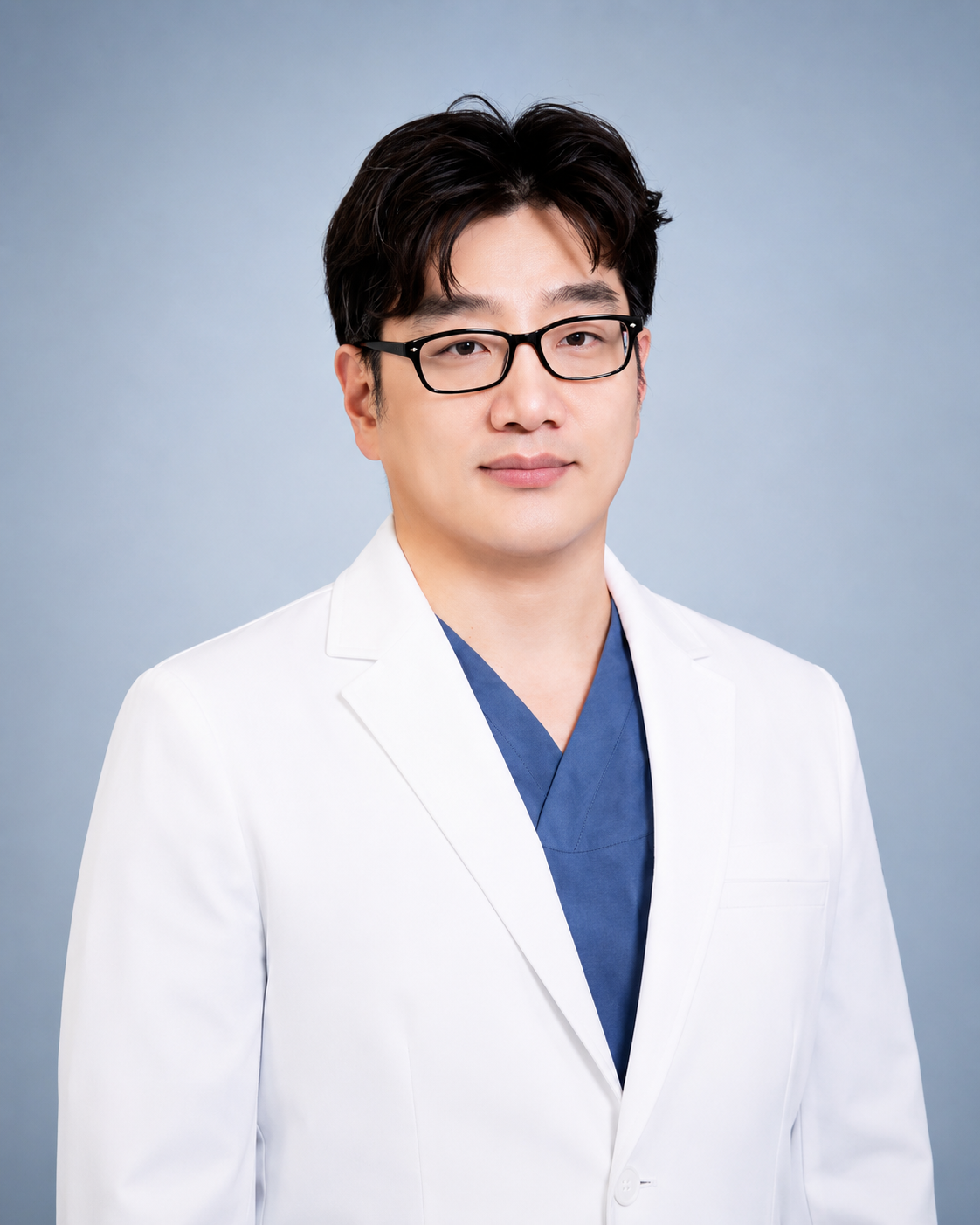
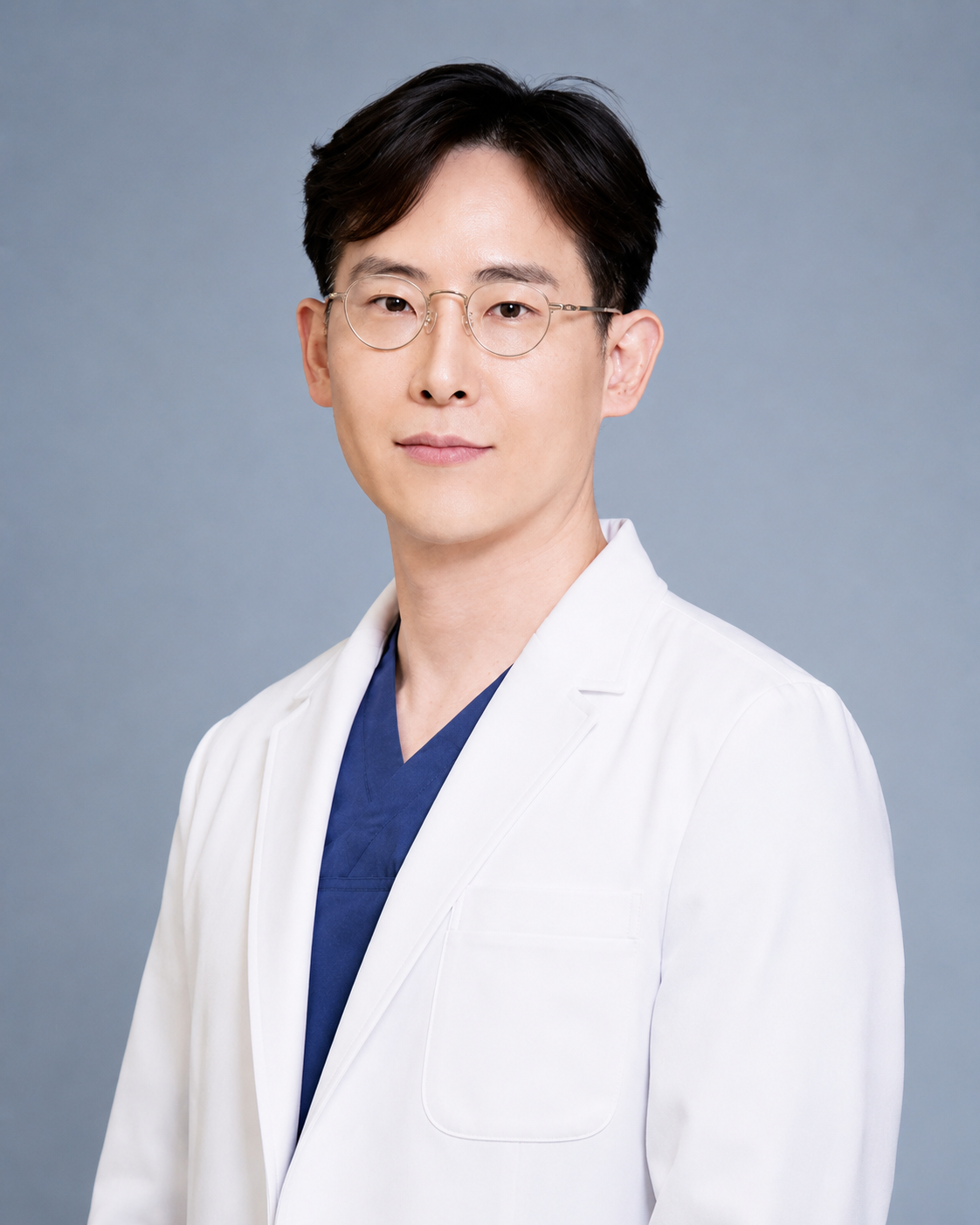
A doctor, in person, every time — never a nurse or a coordinator. JRYN Seomyeon has three doctors, and the clinic was founded by Dr. Jeong Heon Lee, who still consults here. What you actually need is decided during the consultation after your skin is examined, not from a fixed package chosen in advance.
Three doctors, one standard of care.
Every treatment plan at JRYN Seomyeon is decided and performed in person by one of our doctors — led by Dr. Jeong Heon Lee, founder of JRYN Dermatology.
From the Founder
The consultation is the treatment.
Most patients arrive asking for a specific treatment. My job is to check whether it is the right one for what they actually have. Getting that wrong is the most common mistake I correct.
Graduated from Inje University
Current Head of the JRYN Network
Current Chief Director of JRYN Seomyeon
Former Chief Director of Lin Clinic
Former Chief Director of Centum Lin Clinic
Managing Director · Seomyeon Main Branch
Dr. Yoon Jung-wook
Full Member, Korean Society of Aesthetic Plastic Surgery
Full Member, Korean Society for Aesthetic Plastic Surgery & Laser Medicine
Full Member, Korean Society of Obesity & Body Contouring
Former Neurosurgery Resident (3rd Year), Dong-A University Hospital
Former Intern, Dong-A University Hospital
Former Chief Director, Forever Plastic Surgery & Dermatology (Changwon)
Former Chief Director, Lovely Plastic Surgery & Dermatology (Changwon)
Former Director, Insta Plastic Surgery & Dermatology (Gimhae)
Former Director, Dr. Yoon Beauty Center (Vietnam)
Vice Managing Director · Seomyeon Main Branch
Dr. Jin Tae-wan
Former Director of Dermatology, MediWoman Women's Clinic
Former Director of Dermatology, Hangdo Quantum Clinic
Former Chief Director, AGE Clinic (formerly Paresa Clinic)
Former Chief Director, One Clinic (Guro)
Former Director, One Clinic (Gangnam)
Former Chief Director, SKY Plastic Surgery (Jongno)
Former Visiting Physician, Guangfu Aesthetic Plastic Surgery Hospital (Dalian, China)
Former Associate Director, Tokeshi Plastic Surgery
Former Associate Director, Midam Dermatology Clinic
Former Associate Director, Noble Line Plastic Surgery
Former Associate Director, Jeniva Plastic Surgery
Former Military Flight Surgeon, ROK Army Aviation Operations Command
Former Intern & Resident, Kangdong Sacred Heart Hospital
Before You Book
Questions patients ask first.
Evidence is mixed and any effect is small compared with what treatment or sun protection produce. Ingested collagen is broken into amino acids rather than delivered intact to the dermis.
Yes — controlled injury provoking the same repair sequence. It is a gentler stimulus than fractional laser with correspondingly smaller results.
Immediate tightening comes from existing collagen contracting under heat. That partially relaxes over the first weeks before the new collagen arrives, which is why some patients describe a dip before the real result.
Not meaningfully. Protecting from sun, sleeping properly and not smoking allow the process to proceed normally rather than accelerating it.
No. Thicker skin with better blood supply responds more strongly, which is why the neck and under-eye respond more slowly than the cheek — see neck and hands.
Slightly better on average, since male skin is thicker with higher baseline collagen density — see skin treatments for men.
Six to twelve months for energy devices, allowing remodelling to complete. Boosters run as a course at two-to-four week intervals then maintenance — see why some treatments need a course.
No. It changes how precisely and how deeply the stimulus is delivered. The downstream response is the same process regardless of what provoked it — see HIFU devices compared.
Doctor-led planning across six categories. Foreign patients pay the same as local patients — what changes a final figure is units and area, never nationality.
JRYN Seomyeon
· 4F Samjeong Tower, 672 Jungang-daero · 5 min from Seomyeon Station Exit 2 · 2 min from Seomyeon Mall Exit 16 · 6 min from Lotte Department Store Busan Main · 8 min from Jeonpo Cafe Street · inside Seomyeon Medical Street · open through lunch, seven days a week
Ready When You Are
Send your dates, get a plan before you fly.
Message us on WhatsApp with what you would like to address and when you will be in Busan. You will get an honest read in your language — including whether the treatment you have in mind is the right one.