4F, Samjeong Tower, 672 Jungang-daero, Busanjin-gu, Busan, Korea
Culture & Context
Korean aesthetic trends, and what has actually changed.
What changed in Korean clinics recently and what is marketing — the treatments that arrived, the ones that faded, and how to read a trend before buying one.
The deepest trend is a goal change: skin quality has overtaken face-changing on Korean menus.
On This Page
What has genuinely changed in Korean clinics?
Why did skin boosters take over the menu?
What happened to the overfilled look?
Are new device versions real upgrades — or marketing?
How did prevention replace correction?
Which trends quietly faded?
What changed for men?
How do you read a trend before buying one?
What should a visitor actually take from all this?
Trend articles about Korean beauty are usually written from press releases. This one is written from a clinic floor in Seomyeon, where trends stop being headlines and become booking patterns — what patients actually ask for, what they have stopped asking for, and which shiny new names survive contact with a second year. The honest summary: the deepest change in Korean aesthetics is not a device or an ingredient but a goal — skin quality has overtaken face-changing as the thing people buy. Below is what that shift looks like on a real menu, which fads faded, why device version numbers deserve skepticism, and a five-question test for reading any trend before spending money on it.
Does This Sound Familiar?
You keep seeing the trend pieces. You want the floor view.
Every feed shows a new Korean treatment name and you cannot tell breakthroughs from branding.
You suspect 'glass skin' means something clinically — but nobody defines it past the hashtag.
You watched the overfilled look rise and fall from the outside and want to know what replaced it.
A clinic somewhere pitched you the 'newest generation' of a device you had never heard of.
You want to arrive asking for what works now — not what worked in a three-year-old article.
All five deserve the clinic-floor answer rather than the press-release one. Here is what actually changed, what only seemed to, and how to tell the difference yourself.
What has genuinely changed in Korean clinics?
One shift explains most of the others: the center of gravity moved from changing faces to upgrading skin. A decade of menus led with structure — volume, contour, reshaping. Today's booking sheet leads with quality: texture, hydration, elasticity, pore refinement, the lit-from-within finish the world shorthand-named glass skin. Structure work continues, but as a supporting act with a naturalness
requirement attached.
You can read the shift directly off a modern menu: the booster category
— barely a category fifteen years ago — now rivals injectables for traffic, and consultations increasingly open with "my skin looks tired" rather than "I want to change X." That sentence change, multiplied across a country's clinics, is the trend beneath every other trend.
Why did skin boosters take over the menu?
Because regenerative ingredients gave the skin-quality goal actual tools. Polynucleotides — Rejuran
and its family — moved treatment from decorating skin to repairing it; collagen stimulators like Sculptra
and Juvelook
made firmness buildable rather than merely fakeable; and crosslinked hydration like Skinvive
made glow persistent instead of weekly.
The cultural fit did the rest: results that build gradually and read as "great skin" rather than "had work done" suit a market allergic to detectability. The honest caveat survives the enthusiasm — boosters are courses with subtle per-session change, and choosing among them
is a skin-condition question, not a trend question. The category earned its shelf space; individual products still have to earn your booking.
What happened to the overfilled look?
It aged out — visibly, publicly, and faster than most trends die. The era of maximal cheeks and uniform V-lines produced a cohort of faces that taught the whole market what over-treatment looks like five years on, and demand swung hard toward restraint: conservative dosing, micro-dosing techniques, and filler used to restore rather than remodel, as the modern filler menu
reflects.
The replacement standard is stricter than it sounds: results should survive scrutiny at conversation distance and dinner-party lighting — undetectable as intervention, legible only as looking well. That standard is why dissolving and correcting older work
became its own steady booking category: the market is actively unwinding its previous trend, which is the strongest verdict a trend can receive.
Are new device versions real upgrades — or marketing?
Both exist, and version literacy separates them. Genuine generational gains are usually about comfort, speed and precision — better tips, smarter energy delivery, real-time feedback — the pattern across Thermage FLX, Ultherapy Prime
and Shurink Universe. What version numbers rarely change is the underlying physics: RF is RF, ultrasound is ultrasound, as the RF comparison
and HIFU comparison
lay out.
The test worth applying: does the new version claim a new mechanism, or a better ride on the old one? Better rides are real but incremental — worth having, rarely worth premium-priced urgency. New-mechanism claims deserve the full skepticism kit: trial data, regulator status via MFDS approval explained, and a second year of survival before your face volunteers.
Trends become real on booking sheets, not in headlines — this page is written from the sheet.
How did prevention replace correction?
The average first-visit age fell, and the goal fell with it — from fixing established change to slowing its arrival. The maintenance model that the age guide
maps — light, regular, cumulative — displaced the older rhythm of waiting for a problem worth a dramatic fix. Twenty-somethings book toning
and skin botox as routine; thirty-somethings start collagen banking before laxity, not after.
Economics reinforced culture: prevention spends less per year than correction spends per event, which is why a year of maintenance
became the format patients actually plan in. The trade worth naming honestly — prevention asks for consistency, and consistency is a genuine cost. It remains the best-value trend on this page for anyone who can keep a calendar.
Which trends quietly faded?
The honest obituary list. Aggressive one-look standardisation — the identical V-line ideal — gave way to feature-preserving work. Extreme whitening framing yielded to tone-evenness and pigment health. Coupon-clinic package culture — stacked prepaid sessions sold at first visit — collapsed under its own churn, a story cheap or premium
dissects; published per-session pricing is the survivor model.
Also fading: the silver-bullet promise itself. The market learned that single dramatic interventions age worse than layered modest ones, which is why combination protocols
— modest energy plus modest injectable plus skin quality — became the default architecture of good plans. The fads died of the same cause: results that could not survive their own second year.
What changed for men?
Normalization, mostly quietly. Men moved from an edge case to a routine third of the foreign-patient mix, concentrated exactly where you would predict: jaw botox, hyperhidrosis work, toning, and early lifting — the menu documented in skin treatments for men. The trend is less a new look than a dropped stigma.
Clinically nothing needed inventing — dosing and planning adjust for anatomy, discretion was always standard. The market change is that the male maintenance patient now exists as a category clinics plan for rather than a surprise at the desk, and the same prevention-first economics apply without translation.
How do you read a trend before buying one?
Five questions, in order. What is the mechanism — can anyone explain it without the brand name? What does the regulator say — is it MFDS-cleared
for this exact use? Has it survived two years — or is the evidence base a launch event? Who profits from the name — ingredient science or trademark marketing? And would it be recommended for your face specifically — the question only a consultation
answers.
Add the practical screens: real before-and-after literacy, product authenticity checks, and deep suspicion of urgency — genuine advances remain available next quarter. A trend that passes all five questions is just a treatment; the questions exist to strip the trend premium off before you pay it.
What should a visitor actually take from all this?
That trends describe markets, not prescriptions. The useful takeaways travel well: skin quality is the highest-value spend for most faces, restraint outperforms drama over any five-year window, courses beat one-offs where you can schedule them, and version-number urgency is a sales tool. What does not travel: booking a named trend because a feed showed it — plans start from faces, and the doctor will say so, per when not to treat.
The floor view is always available firsthand: message photos on WhatsApp
and ask what would actually move the needle for your skin — the answer comes back with prices from the published list, trend-free. The clinic is registered Foreigner-Friendly, open through lunch, seven days a week, five minutes from Seomyeon Station Exit 2, two from Seomyeon Mall Exit 16, six from Lotte Department Store Busan Main, eight from Jeonpo Cafe Street — with the full library in the Knowledge Center
and unretouched outcomes on the before and after page.
Our Medical Team
Who will actually treat you at JRYN Seomyeon?
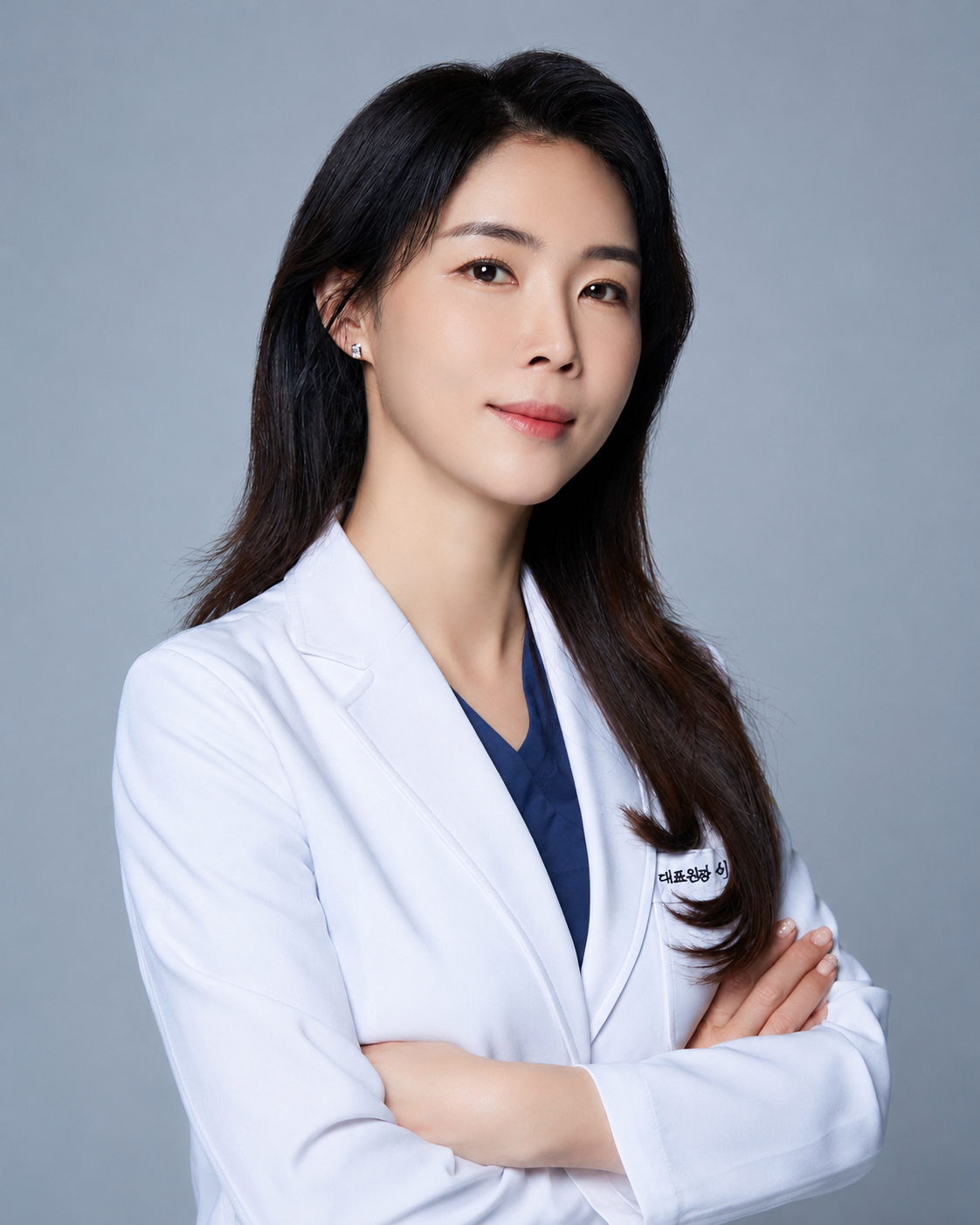
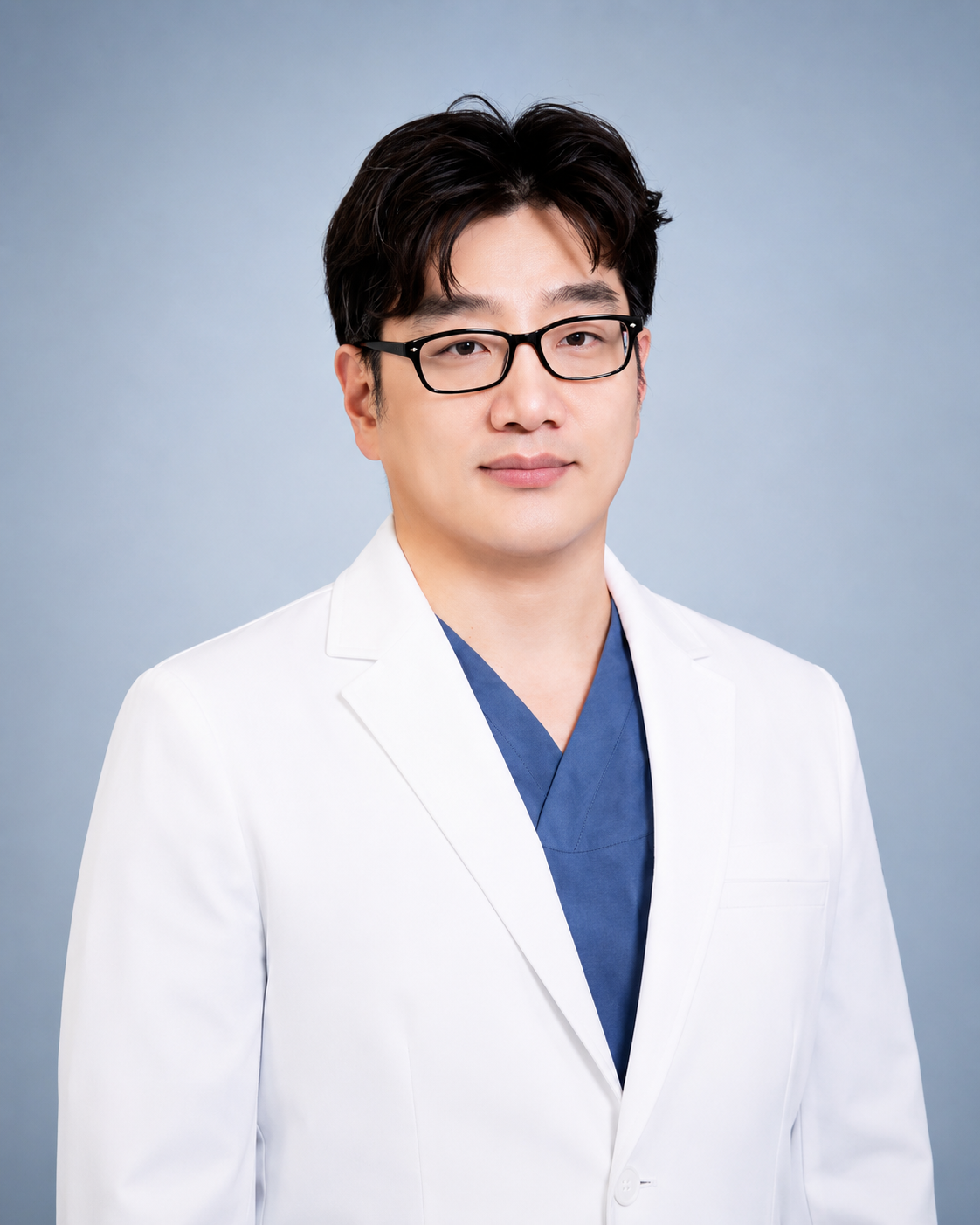
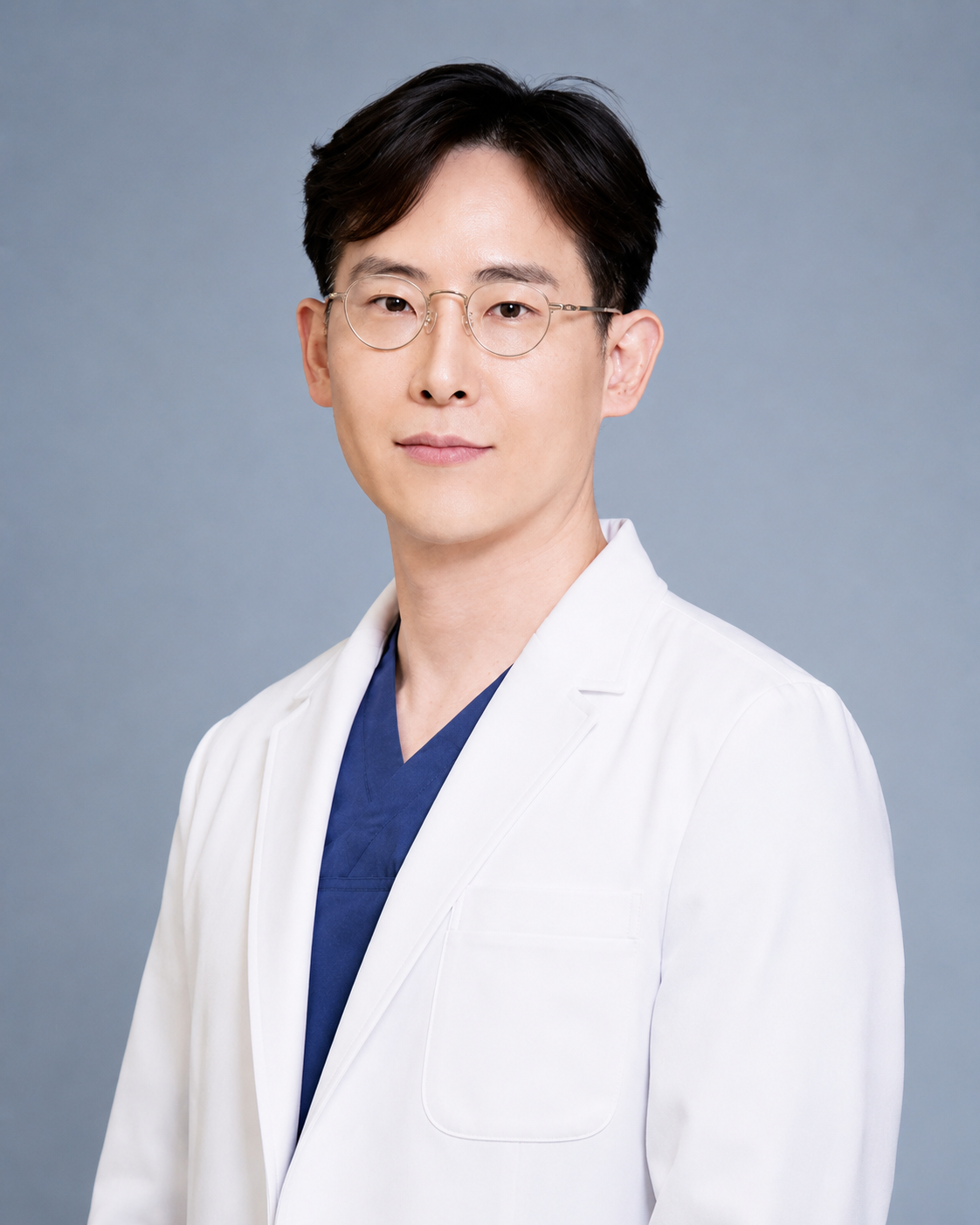
A doctor, in person, every time — never a nurse or a coordinator. JRYN Seomyeon has three doctors, and the clinic was founded by Dr. Jeong Heon Lee, who still consults here. What you actually need is decided during the consultation after your skin is examined, not from a fixed package chosen in advance.
Three doctors, one standard of care.
Every treatment plan at JRYN Seomyeon is decided and performed in person by one of our doctors — led by Dr. Jeong Heon Lee, founder of JRYN Dermatology.
From the Founder
The consultation is the treatment.
Most patients arrive asking for a specific treatment. My job is to check whether it is the right one for what they actually have. Getting that wrong is the most common mistake I correct.
Graduated from Inje University
Current Head of the JRYN Network
Current Chief Director of JRYN Seomyeon
Former Chief Director of Lin Clinic
Former Chief Director of Centum Lin Clinic
Managing Director · Seomyeon Main Branch
Dr. Yoon Jung-wook
Full Member, Korean Society of Aesthetic Plastic Surgery
Full Member, Korean Society for Aesthetic Plastic Surgery & Laser Medicine
Full Member, Korean Society of Obesity & Body Contouring
Former Neurosurgery Resident (3rd Year), Dong-A University Hospital
Former Intern, Dong-A University Hospital
Former Chief Director, Forever Plastic Surgery & Dermatology (Changwon)
Former Chief Director, Lovely Plastic Surgery & Dermatology (Changwon)
Former Director, Insta Plastic Surgery & Dermatology (Gimhae)
Former Director, Dr. Yoon Beauty Center (Vietnam)
Vice Managing Director · Seomyeon Main Branch
Dr. Jin Tae-wan
Former Director of Dermatology, MediWoman Women's Clinic
Former Director of Dermatology, Hangdo Quantum Clinic
Former Chief Director, AGE Clinic (formerly Paresa Clinic)
Former Chief Director, One Clinic (Guro)
Former Director, One Clinic (Gangnam)
Former Chief Director, SKY Plastic Surgery (Jongno)
Former Visiting Physician, Guangfu Aesthetic Plastic Surgery Hospital (Dalian, China)
Former Associate Director, Tokeshi Plastic Surgery
Former Associate Director, Midam Dermatology Clinic
Former Associate Director, Noble Line Plastic Surgery
Former Associate Director, Jeniva Plastic Surgery
Former Military Flight Surgeon, ROK Army Aviation Operations Command
Former Intern & Resident, Kangdong Sacred Heart Hospital
Before You Book
Questions patients ask first.
It is a finish, not a procedure — built from skin-quality work: toning for evenness, boosters for hydration, sometimes skin botox for texture. Any clinic selling 'glass skin' as one named session is selling the hashtag, not the mechanism.
The skin-quality shift itself — boosters, toning and regenerative work deliver the most visible-per-won change for most faces, and travel well because results read as health rather than intervention. Device lifting remains the best value where laxity is the real issue.
Run the five-question test: explainable mechanism, MFDS clearance for the exact use, two-plus years of survival, science rather than trademark behind the name, and a doctor recommending it for your face specifically. Urgency is the reliable tell of the opposite.
Yes — demand swung to conservative dosing and restoration-style filler, and correcting older maximal work became its own booking category. The operating standard now is results undetectable at conversation distance.
Sometimes for comfort and speed, rarely for outcomes the previous generation could not reach — the physics does not change with the model year. Judge the mechanism and the operator, not the version number.
Directly — men are now a routine share of patients, concentrated in jaw botox, sweat treatment, toning and early lifting, with the same prevention-first economics. The trend was normalization, not a separate menu.
Ask with your skin, not a headline — send photos and describe what bothers you, and the plan is built from that. If a trend genuinely fits your face, it will appear in the plan on merit; if not, you will hear why.
Names churn yearly; the underlying direction moves slowly — the skin-quality, prevention and naturalness shifts have compounded for years and show no reversal. Plan against the direction, ignore the churn.
Doctor-led planning across six categories. Foreign patients pay the same as local patients — what changes a final figure is units and area, never nationality.
JRYN Seomyeon
· 4F Samjeong Tower, 672 Jungang-daero · 5 min from Seomyeon Station Exit 2 · 2 min from Seomyeon Mall Exit 16 · 6 min from Lotte Department Store Busan Main · 8 min from Jeonpo Cafe Street · inside Seomyeon Medical Street · open through lunch, seven days a week
Ready When You Are
Send your dates, get a plan before you fly.
Message us on WhatsApp with what you would like to address and when you will be in Busan. You will get an honest read in your language — including whether the treatment you have in mind is the right one.