


JRYN Dermatology treats foreign patients in Seomyeon, Busan, in English — five minutes from Seomyeon Station Exit 2. Browse by treatment, or read the guides below before you book.
JRYN Dermatology — Seomyeon Main Branch
4F, Samjeong Tower, 672 Jungang-daero, Busanjin-gu, Busan 47291, Korea ·
WhatsApp +82-10-5573-7574
Open seven days · walk-in or through lunch · English-speaking coordinators ·
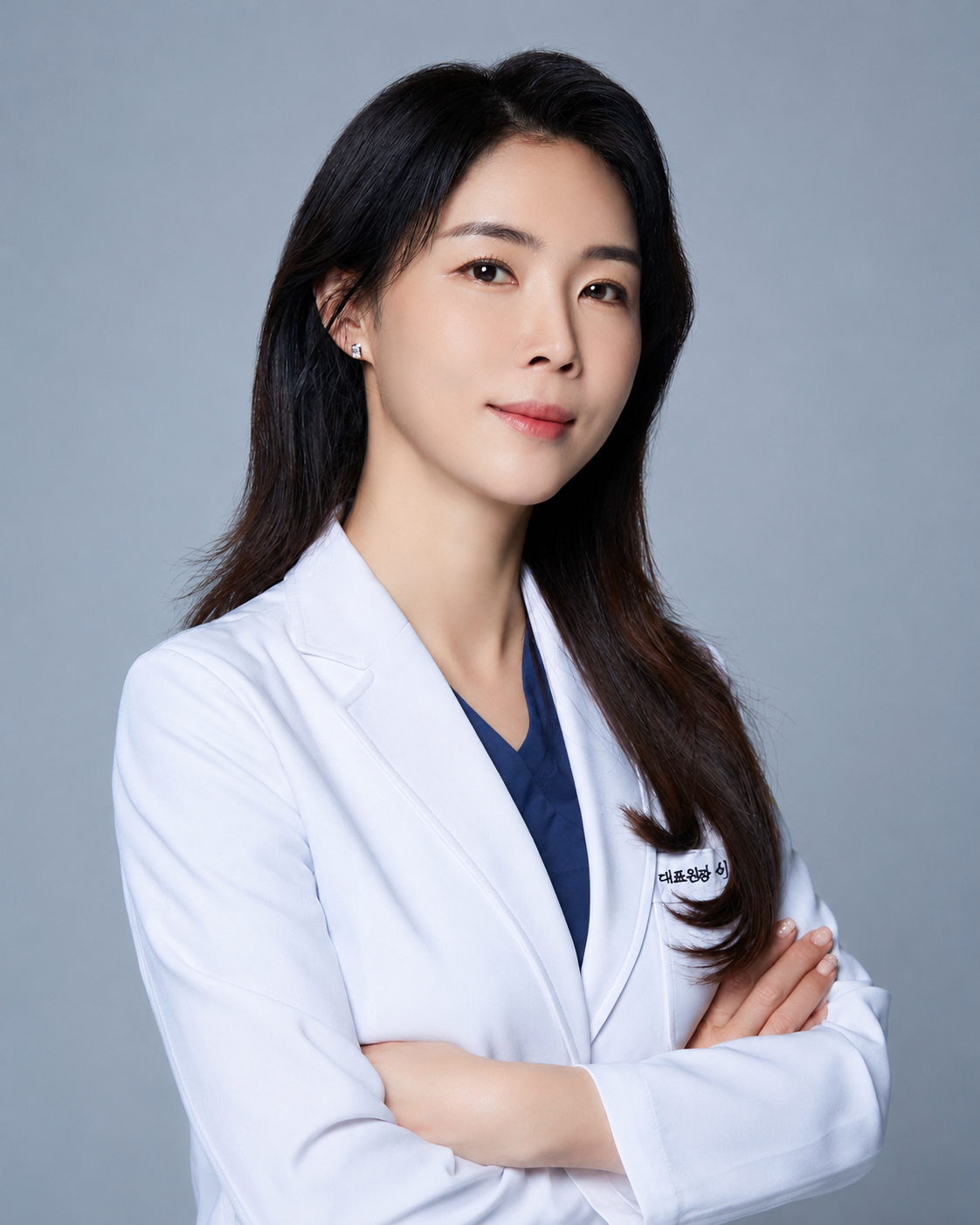
Chief Director Dr. Jeong Heon Lee
4F, Samjeong Tower, 672 Jungang-daero, Busanjin-gu, Busan, Korea
Silhouette · Seomyeon, Busan · Foreigner-Friendly
Silhouette threads in Busan Seomyeon, cones that anchor what barbs can't.
Silhouette threads carry bidirectional resorbable cones — not barbs — that anchor tissue three-dimensionally and reposition the mid-face where descent actually starts. The premium thread for cheek repositioning, from ₩700,000 per pair, with vectors and counts written before placement. English, 日本語 and 中文 consults. Medically reviewed by Dr. Jeong Heon Lee, MD.
Nothing sends until you press send in WhatsApp. Sharing a photo gets you a faster, more accurate answer — and a fair estimate in advance.
40–60 min
Treatment
Same day
Visible Lift
3–7 day
Settling
2–6 wk
Refines
18–24 mo
Holds
₩
700k
Per Pair
Does This Sound Familiar?
What Busan patients ask before booking Silhouette.
Cones versus barbs — what actually holds better in tissue, and why?
My jowls start at my cheeks. Is mid-face repositioning the real fix?
₩700,000 per pair — how many pairs does a real mid-face need?
How long do cone threads last compared to MINT?
Silhouette or filler for descended cheeks — how do you choose?
All five come up most weeks in Busan. The sections below answer them in order — the cone-anchor mechanics, the mid-face-first logic of lower-face aging, real pair math, the eighteen-to-twenty-four-month timeline, and the reposition-versus-refill decision.
Silhouette Threads · JRYN Seomyeon
What Is a Silhouette Lift?
Cone anchoring, for the fallen mid-face.
Silhouette threads are dissolving sutures studded with bidirectional resorbable cones. Where a barb grips tissue along its cut edge, a cone anchors it in three dimensions — a fuller, stronger hold that suits the heavier work of repositioning descended cheek tissue.
The mid-face-first logic matters: much of what reads as jowls is cheek tissue that has slid down and forward. Silhouette's vectors lift it back up and over the cheekbone — treating the lower face by fixing where the fall began. From ₩700,000 per pair on the published list at our Busan clinic, with pairs, vectors and total written before placement.
How It Works
The science, without the hype.
The cone is the engineering — here is why it holds heavier lifts.
01
Bidirectional cones
Resorbable cones face both directions along the suture — anchoring tissue against slippage from either side, in three dimensions rather than one cut plane.
02
Mid-face vectors
Threads run from temple-area anchor points down into cheek tissue — the vector geometry that lifts up-and-back, the direction youth actually sits.
03
Immediate reposition
Cones engage on placement; the cheek sits measurably higher in the same-day mirror, refining as swelling settles.
04
Resorb-and-rebuild
Cones and suture dissolve over months, leaving collagen along the vector — the reason holds run eighteen to twenty-four months.
What We Reposition
Vectors from the temple, to where cheeks have slid.
Pair counts follow your descent map — the exam writes them before placement.
Mid-face & cheek
Signature
Descended cheek tissue lifted up-and-back over the cheekbone — the case cones exist for.
Typical1–2 pairs/side
ReadsSame day
Jowl via mid-face
Upstream fix
Jowls that are really fallen cheeks — treated at the source rather than dragged at the jaw.
Typical2 pairs/side
NoteExam decides
Lower face support
Extension
Direct lower-face vectors where grading supports adding them.
Typical1 pair/side
DecidedAt exam
Your Visit, Step by Step
Six steps at our Busan clinic, forty to sixty minutes.
01
Descent mapping
The doctor maps where your tissue has actually fallen from at our Busan clinic — mid-face-first cases proceed; other patterns are routed to the right thread honestly.
02
Photos and written pairs
Fixed-frame photos, then your pair count, vectors and total price in writing before placement.
03
Local anaesthetic
Anchor points and vector tracks are numbed properly — placement should read as pressure and tugging, not pain.
04
Cone placement
Threads pass along the drawn vectors, cones engage, and the reposition is set — forty to sixty minutes with mirror checks as it happens.
05
The settling window
Three to seven days of tightness, swelling and occasional puckering at anchor points — honest, temporary, planned around.
06
Integration review
Week-two and week-six photos as cones integrate and collagen builds — reviewed by message after you leave Busan.
Silhouette Pricing
How much does a Silhouette lift cost in Busan?
From ₩700,000 per pair on the published list, with your pair count written before placement — typical mid-face plans run one to two pairs per side (₩1,400,000–2,800,000 total), mapped at the exam. No foreigner markup, no pair inflation.
Your options, side by side.
Silhouette against its thread-menu neighbours — all published.
Option
Position
Price
Silhouette (cones)
Mid-face repositioning
from ₩700,000 / pair
MINT (barbed PDO)
Jawline reposition
₩100,000 / thread
Aptos threads
Long-vector repositioning
from ₩1,000,000
Published prices in Korean Won, identical to the list Korean patients see — no foreigner markup. Written pair counts are how per-pair pricing stays honest. See the full price list.
The Cone Timeline
What the reposition honestly looks like.
When
What you will notice
What to do
Day 0
The cheek sits visibly higher — with tightness, swelling and sometimes small puckers at anchor points.
Sleep on your back, head elevated, first three nights. Cold compress in short intervals.
Day 3–7
Swelling and puckering settle; the honest baseline of the reposition shows.
Soft foods, no wide mouth-opening, no facials this week — cones are integrating.
Week 2–6
The refined lift reads in fixed-frame photos as collagen builds along vectors.
The week-six photo is the verdict — sent by message if you have flown home.
Month 18–24
Cones and suture long resorbed; their collagen carries the lift as it gradually tapers.
Repeat threads or energy maintenance — chosen by your photos, stated plainly.
Honest Suitability
Who it suits in Busan — and who should wait.
A good fit if you…
Descended cheeks and the jowls they create downstream
Wanting the strongest non-surgical reposition on the thread menu
Eighteen-to-twenty-four-month holds over lighter thread timelines
A written pair count and vector map before committing
Busan visitors — placement and settling fit inside seven to ten days
Better to wait if you…
Pregnancy — deferred as standard
Very thin mid-face tissue where cone palpability outweighs benefit — said honestly
Active skin infection or inflammation in the field
Surgical-grade descent — routed to consultation plainly rather than over-threaded
After your treatment
Sleep elevated on your back for the first three nights
Soft foods, no wide mouth-opening or hard chewing for two weeks
Anchor-point puckering settles within the first week — normal, not misplacement
The week-six photo is the verdict as cones integrate
Honest limits
Cones reposition powerfully for threads; they still do not replace surgery for heavy descent
Eighteen to twenty-four months is the honest hold — the strongest on our thread menu, not permanent
The settling week is more pronounced than lighter threads — stronger anchor, stronger week
Our Medical Team
Silhouette or filler for descended cheeks — how do you actually choose?
By whether the tissue has moved or shrunk. Cheeks that have slid down-and-forward need repositioning — cones move them back where they were, and filler on top of descent just adds weight to the slide. Cheeks that have deflated in place need volume — filler, honestly. Most aging faces have some of both, which is why the sequence at our Busan clinic is reposition first, then reassess volume — patients routinely need less filler than they thought after the lift.
Three doctors, one standard of care.
Every Silhouette lift at JRYN Busan Seomyeon is vector-mapped and placed in person by one of our doctors
From the Founder
Mapped and placed in person by one of our doctors.
Cones changed what I can promise from a thread: real mid-face repositioning that holds. The craft is the vector map — lifting up-and-back to where the cheek used to live, not just upward anywhere. In Busan the pairs go on paper first, and the same-day mirror does the convincing.
Graduated from Inje University
Current Head of the JRYN Network
Current Chief Director of JRYN Seomyeon
Former Chief Director of Lin Clinic
Former Chief Director of Centum Lin Clinic
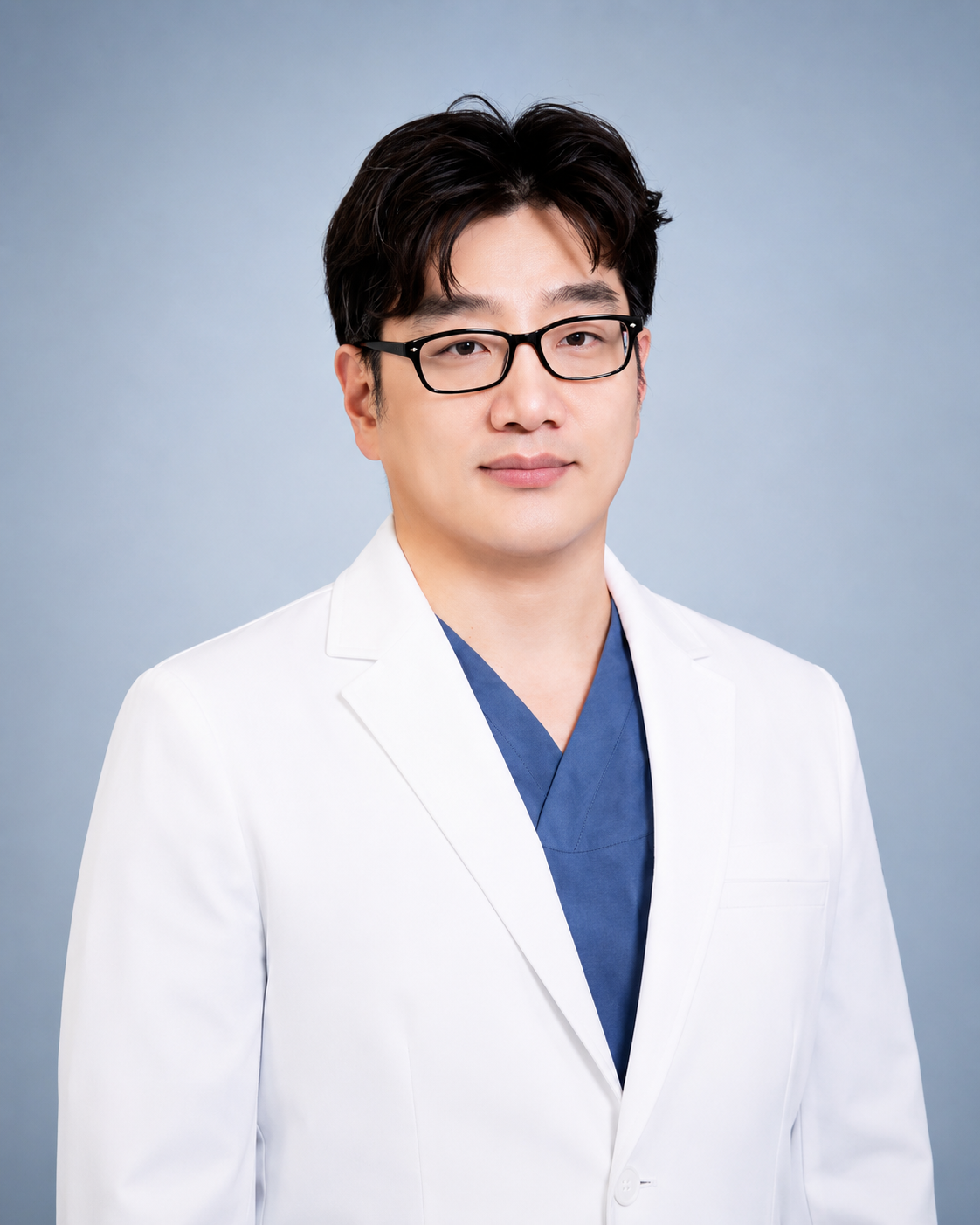
Managing Director · Seomyeon Main Branch
Dr. Yoon Jung-wook
Full Member, Korean Society of Aesthetic Plastic Surgery
Full Member, Korean Society for Aesthetic Plastic Surgery & Laser Medicine
Full Member, Korean Society of Obesity & Body Contouring
Former Neurosurgery Resident (3rd Year), Dong-A University Hospital
Former Intern, Dong-A University Hospital
Former Chief Director, Forever Plastic Surgery & Dermatology (Changwon)
Former Chief Director, Lovely Plastic Surgery & Dermatology (Changwon)
Former Director, Insta Plastic Surgery & Dermatology (Gimhae)
Former Director, Dr. Yoon Beauty Center (Vietnam)
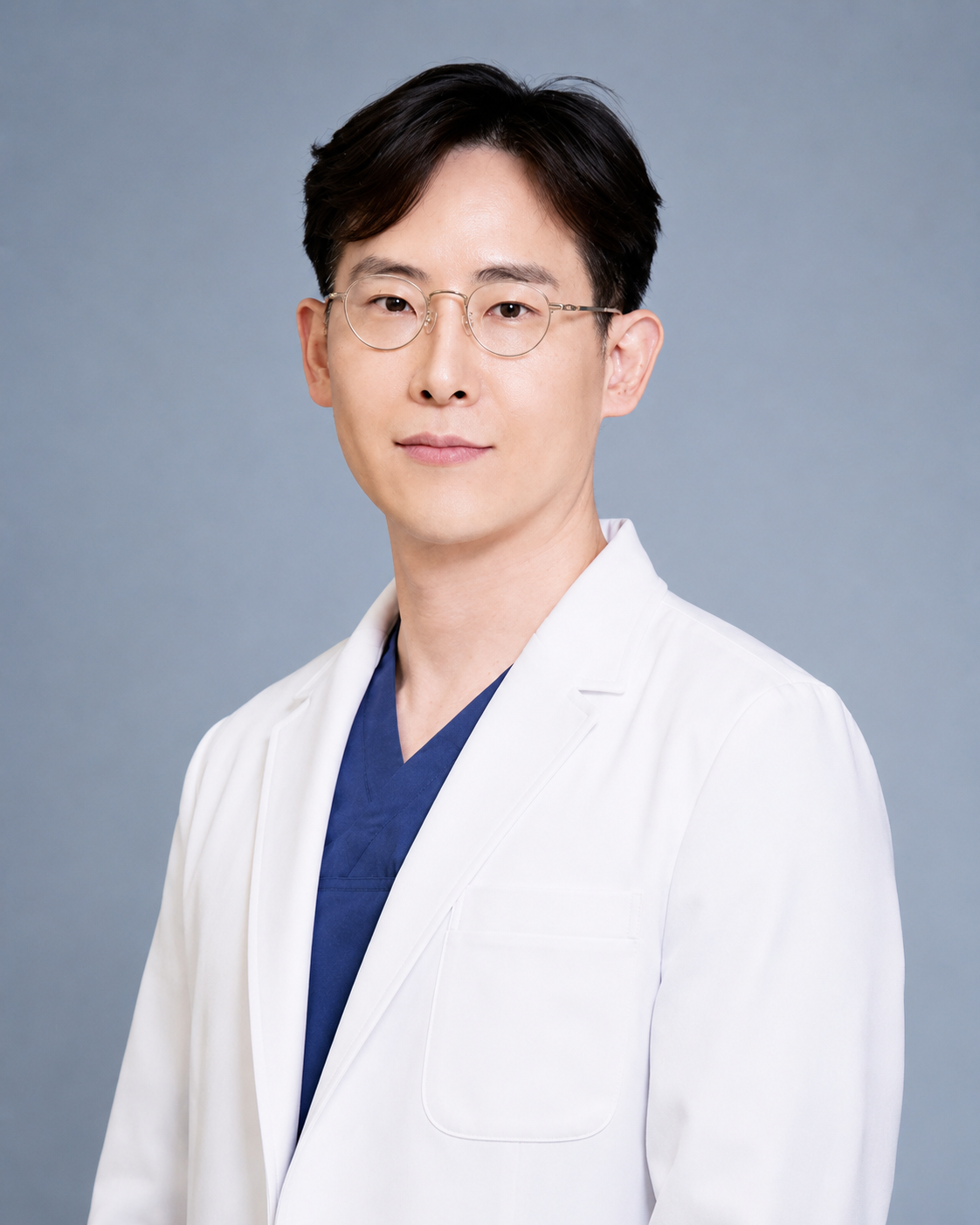
Vice Managing Director · Seomyeon Main Branch
Dr. Jin Tae-wan
Former Director of Dermatology, MediWoman Women's Clinic
Former Director of Dermatology, Hangdo Quantum Clinic
Former Chief Director, AGE Clinic (formerly Paresa Clinic)
Former Chief Director, One Clinic (Guro)
Former Director, One Clinic (Gangnam)
Former Chief Director, SKY Plastic Surgery (Jongno)
Former Visiting Physician, Guangfu Aesthetic Plastic Surgery Hospital (Dalian, China)
Former Associate Director, Tokeshi Plastic Surgery
Former Associate Director, Midam Dermatology Clinic
Former Associate Director, Noble Line Plastic Surgery
Former Associate Director, Jeniva Plastic Surgery
Former Military Flight Surgeon, ROK Army Aviation Operations Command
Former Intern & Resident, Kangdong Sacred Heart Hospital
Quick Answers
Cones versus barbs — what actually holds better?
Cones, for heavy work: a barb grips along its cut edge in one plane, while a bidirectional cone anchors tissue in three dimensions against slippage both ways. That is why cone threads own mid-face repositioning and hold eighteen to twenty-four months, while barbed threads excel at the lighter, longer jawline vectors. Different anchors for different loads — the exam assigns yours.
How many pairs does a real mid-face need?
One to two pairs per side for most — two to four pairs total, so ₩1,400,000–2,800,000 at the published per-pair price — written at your Busan exam before placement. Heavier descent earns the second pair per side; lighter cases genuinely need only one, and we say which yours is.
Everything Else You Might Ask
Silhouette questions in Busan.
From ₩700,000 per pair with your count written before placement — typical mid-face plans total ₩1,400,000–2,800,000. Published prices, no foreigner markup, no pair inflation.
Yes — English, Japanese (日本語) and Chinese (中文). We are a 5-minute walk from Seomyeon Station Exit 2, and healing reviews continue on WhatsApp after you fly home from Busan.
Fully resorbable material on a dissolving suture — both are absorbed over months, leaving the collagen they stimulated along the vector. Nothing permanent remains in the tissue.
Under proper local anaesthetic at our Busan clinic, placement reads as firm pressure and tugging rather than pain. The settling week — tightness and tenderness — is the truer cost, and it passes.
Yes — cones engage on placement and the cheek reads higher in the mirror before you leave, refining over two to six weeks as swelling settles and collagen builds.
Eighteen to twenty-four months for most — the longest hold on our thread menu, carried by cone-stimulated collagen after the materials resorb. Permanence claims anywhere are marketing past the biology.
Load and location: cones for the heavier mid-face reposition (from ₩700,000 per pair), moulded barbs for jawline vectors (₩100,000 per thread). Faces with both problems get both, sequenced in one written plan — the exam assigns the anchors.
Temporary: swelling, tightness, bruising and anchor-point puckering — the settling week. Uncommon: cone palpability in thin tissue or asymmetric settling, both minimised by honest candidate selection and vector planning at the exam.
Yes, sequenced — reposition first, then reassess volume two-plus weeks later (most patients need less filler than expected), with energy machines maintaining the result on their own layer. One written Busan plan orders it.
Softly for two weeks — wide mouth-opening and hard chewing strain fresh cones more than they strain barbs. It is the most important rule we give, so we give it twice.
Entry points sit in or near the hairline and are needle-small; early puckering there settles within the first week as tissue redistributes — normal integration, not misplacement.
Yes — heavier male mid-face tissue is often exactly the load cones handle best, and pair counts are written to the tissue at our Busan clinic.
From day two to three comfortably — nothing interacts with cabin pressure. Most visitors place early in a Busan stay and fly home settled around day seven.
Blood-thinning supplements for several days (with your physician's agreement) and alcohol the night before — the standard bruise-reducing pair.
The lift transfers gradually from mechanical anchor to built collagen — no sudden drop, a gentle taper from around month eighteen. Repeat threads or energy maintenance both extend it, chosen by your photos.
A visibly repositioned mid-face the same day — cheeks sitting higher, jowls softened at their source — refined by week six and holding eighteen to twenty-four months. What cones do not do: surgical-scale lifting, volume replacement, or permanence — said plainly before placement.
JRYN Dermatology — Seomyeon 4F, Samjeong Tower, 672 Jungang-daero, Busanjin-gu, Busan 47291, South Korea · Consultations in English, Japanese (日本語) and Chinese (中文) · 5 minutes from Seomyeon Station Exit 2 · Directions & hours
JRYN Seomyeon
· 4F Samjeong Tower, 672 Jungang-daero · 5 min from Seomyeon Station Exit 2 · inside Seomyeon Medical Street · open through lunch, seven days a week
Ready When You Are
Map your reposition before you fly.
Send a photo and your Busan travel dates on WhatsApp. We'll reply in English with an honest read of what suits you — and a realistic plan for your trip.
Medical information on this page is general education, reviewed by Dr. Jeong Heon Lee, MD. Individual vector maps, pair counts and pricing are confirmed at an in-person consultation at JRYN Dermatology, Busan Seomyeon. Results and timelines vary by individual.